The Architecture of Permission: Dismantling Cultural Elitism in Museums Through Interior Design
Gabriela Mosqueira Robles // Advisor: Daniel Newman
Dismantling Cultural Elitism in Museums Through Interior Design
Museums are often positioned as spaces of collective memory, yet their spatial and behavioral structures frequently reinforce cultural elitism. Drawing on cultural theorists such as Pierre Bourdieu, Nina Simon, Carol Duncan, and Garret Mercier, this thesis frames the museum not as a neutral container, but as a space shaped by institutional rituals, cultural codes, and expectations of behavior that privilege certain forms of participation over others. These conditions produce subtle yet persistent frictions, moments of uncertainty, discomfort, or self consciousness, this infl uence how visitors move, perceive, and engage within the space.
To move from cultural critique into spatial analysis, the project employs Actant Network Theory and Rhizome theory as analytical frameworks. Through these lenses, architectural elements such as thresholds, circulation systems, acoustic conditions, and spatial sequences are understood as active agents that construct experience and regulate participation. In this way, this thesis positions these frictions as systemic rather than subjective.
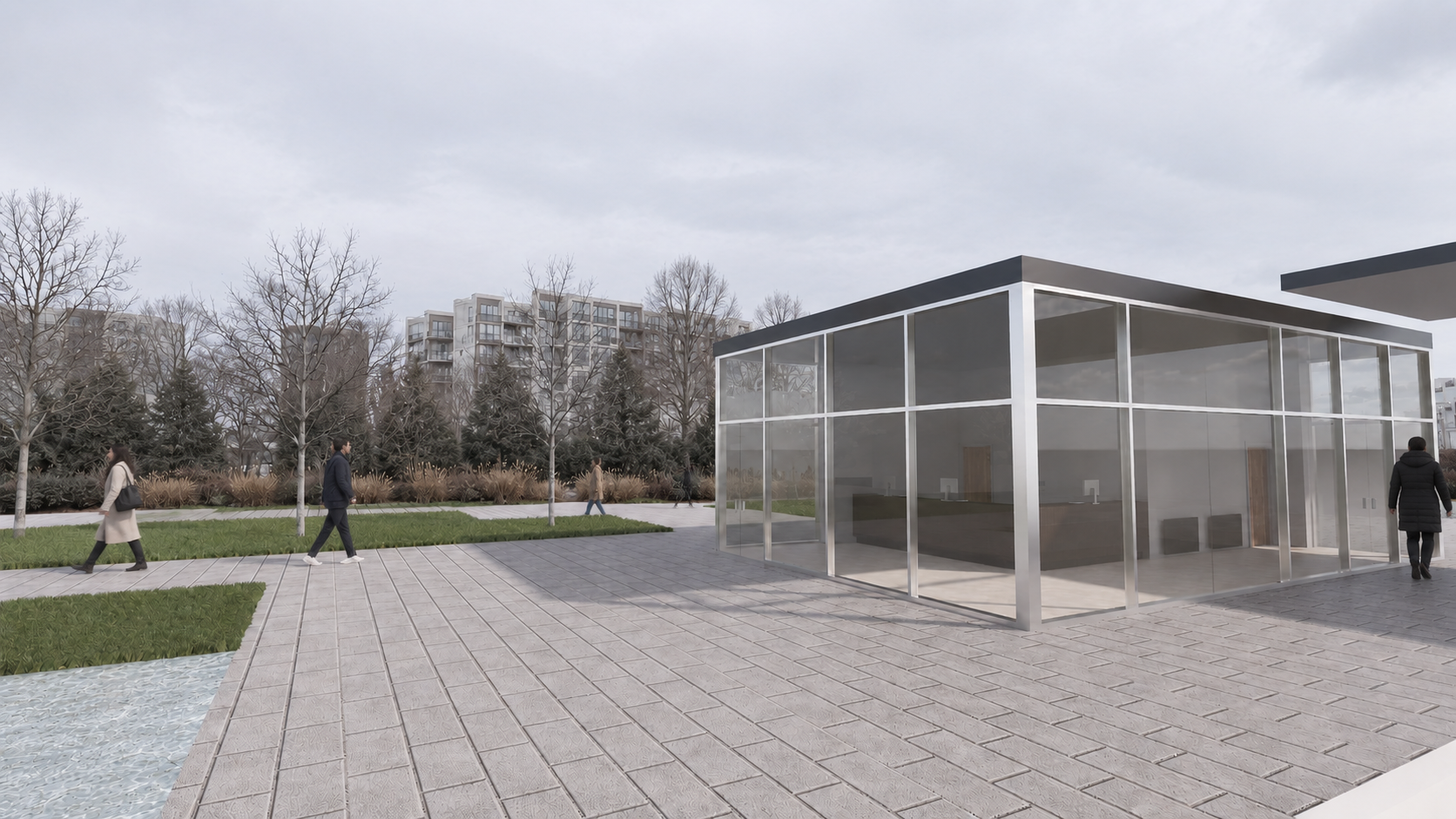
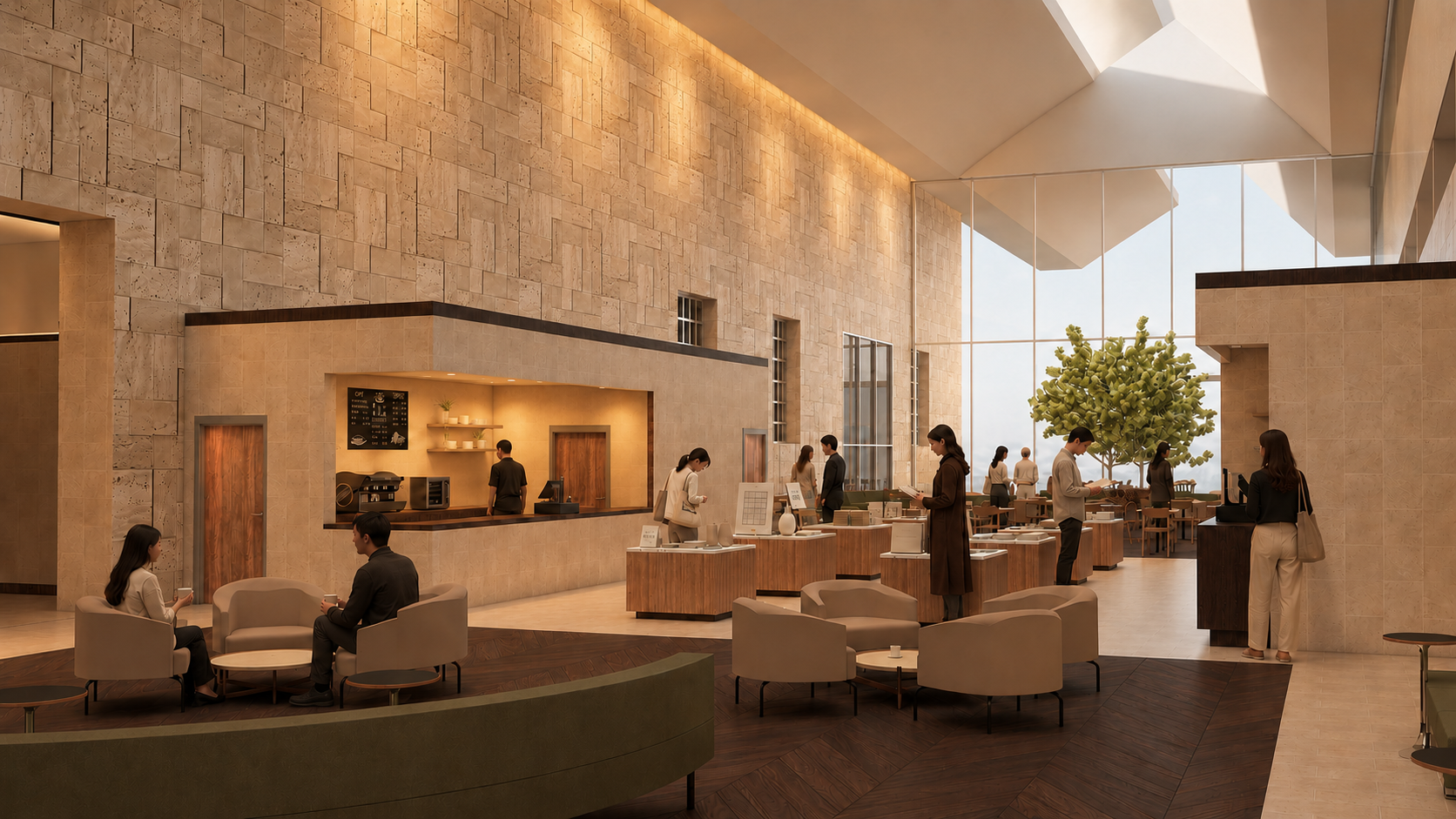
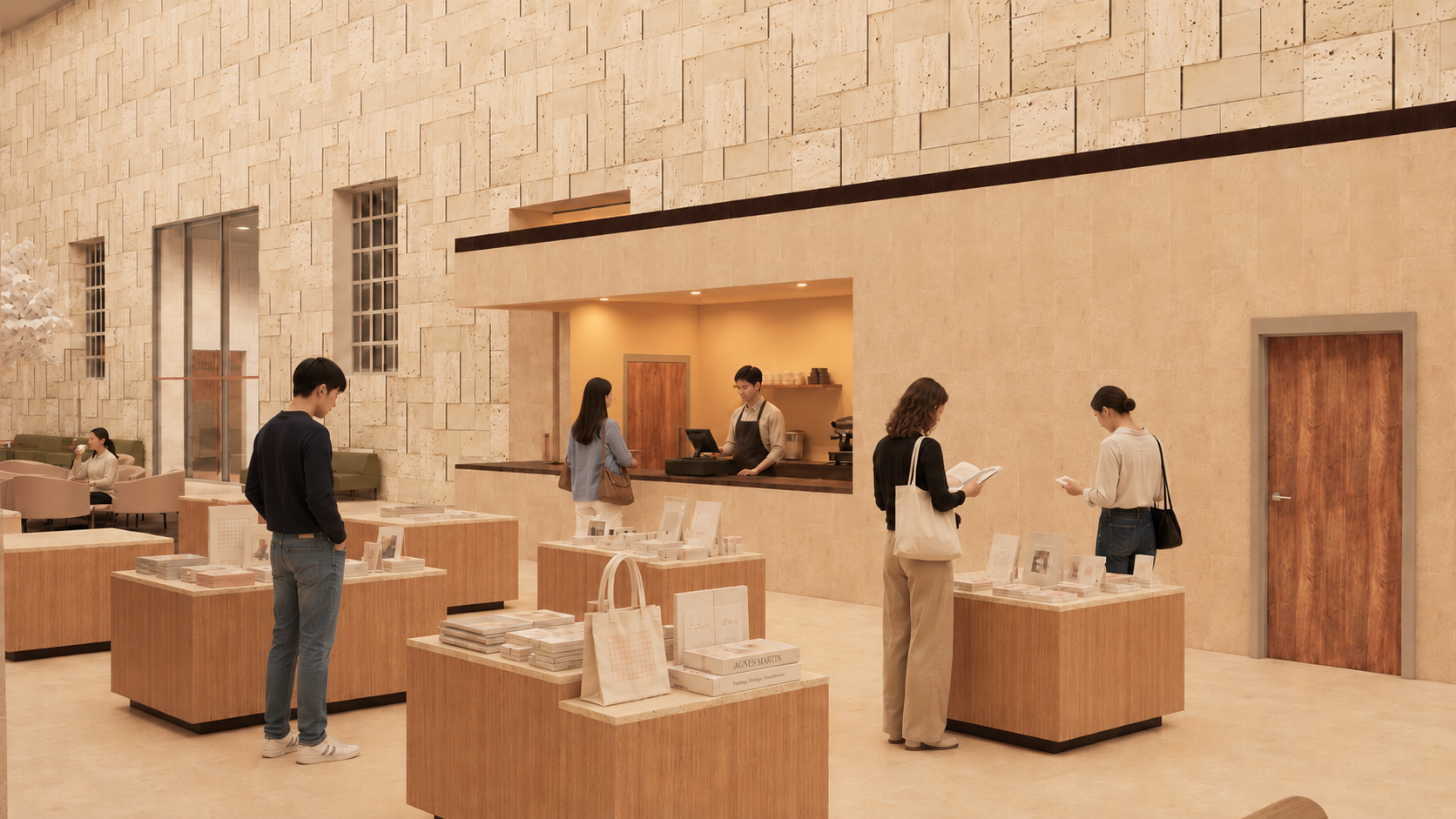
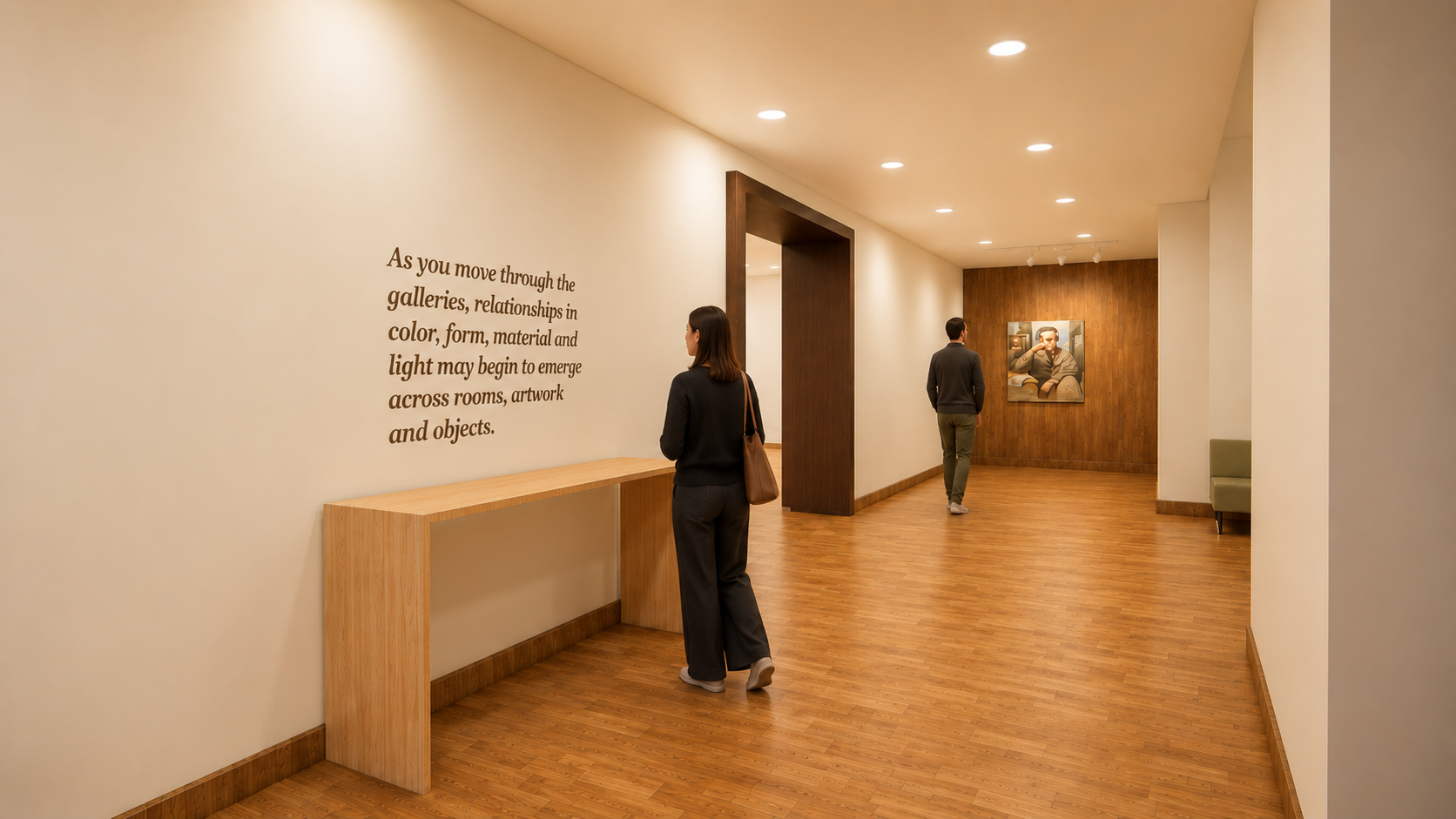
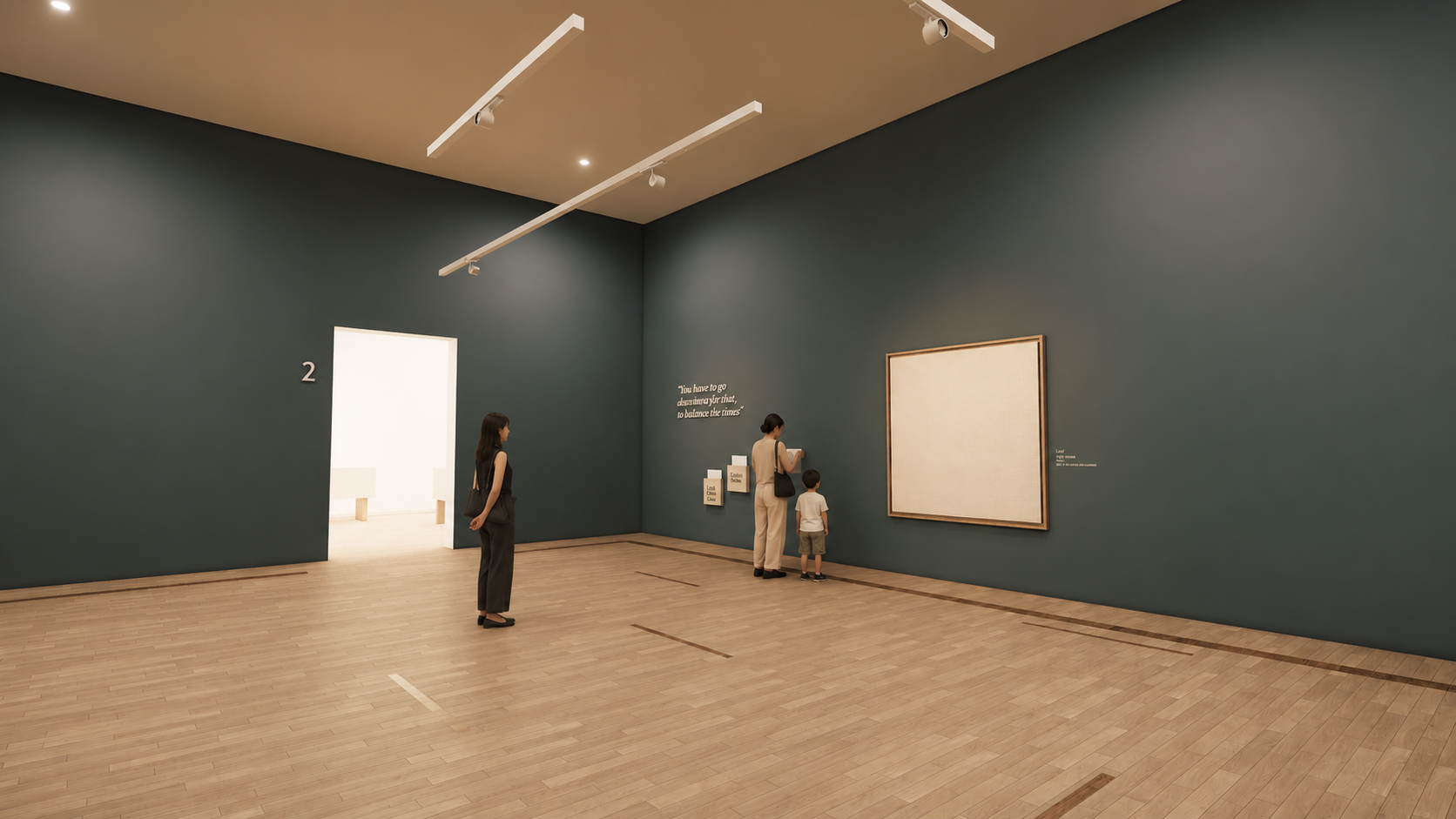
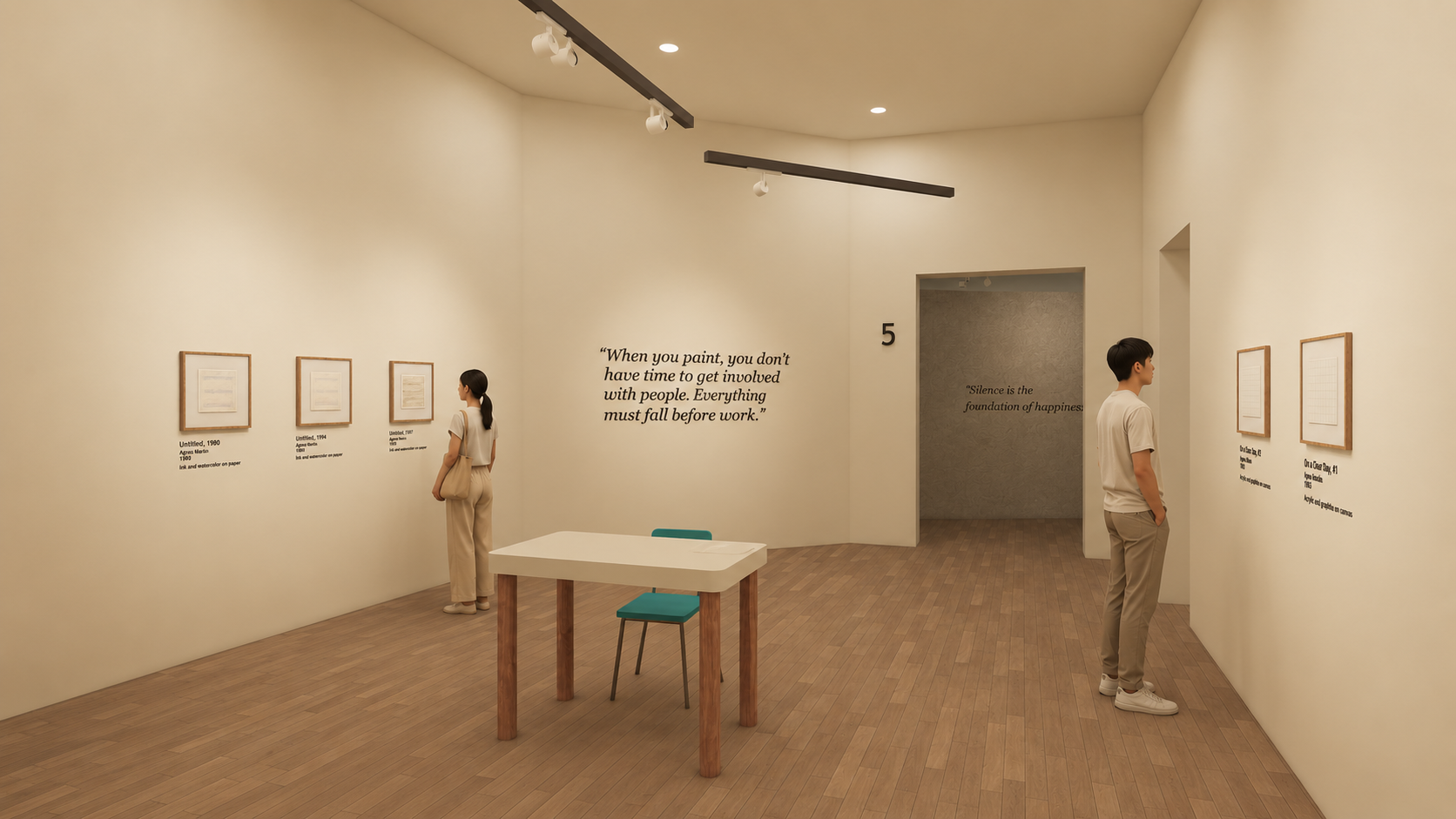
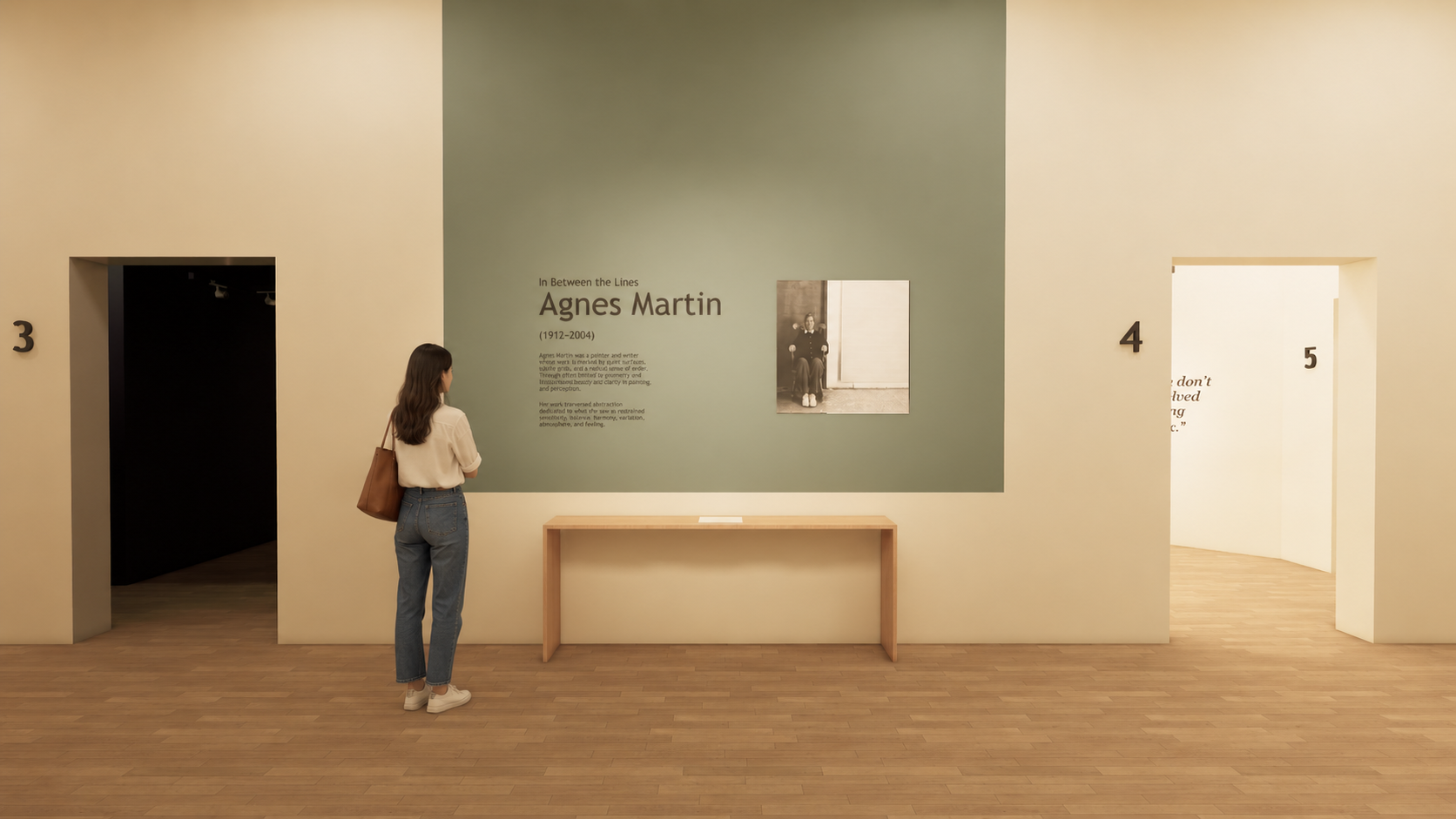
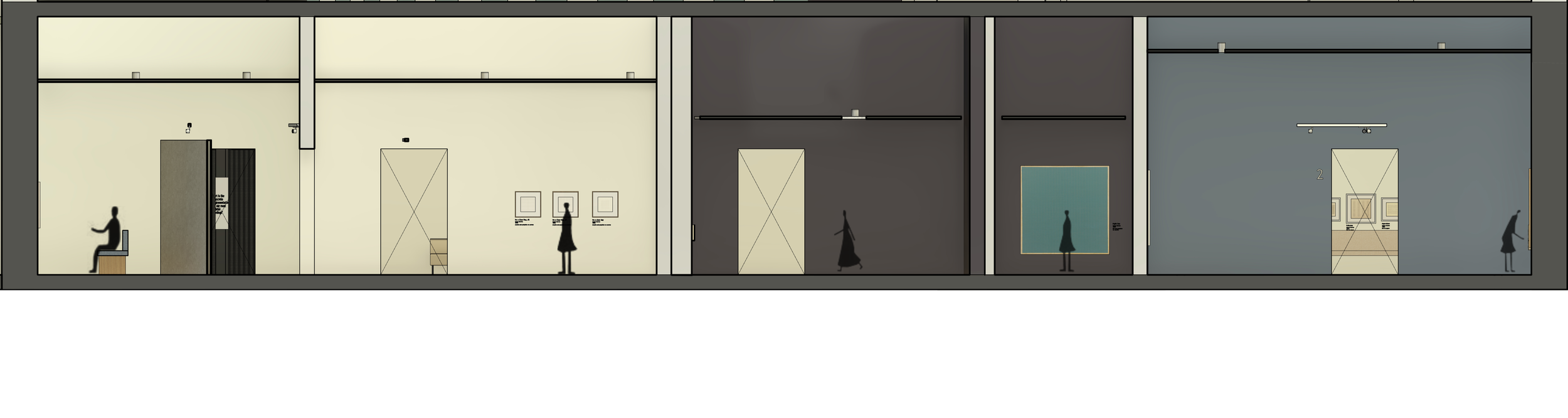
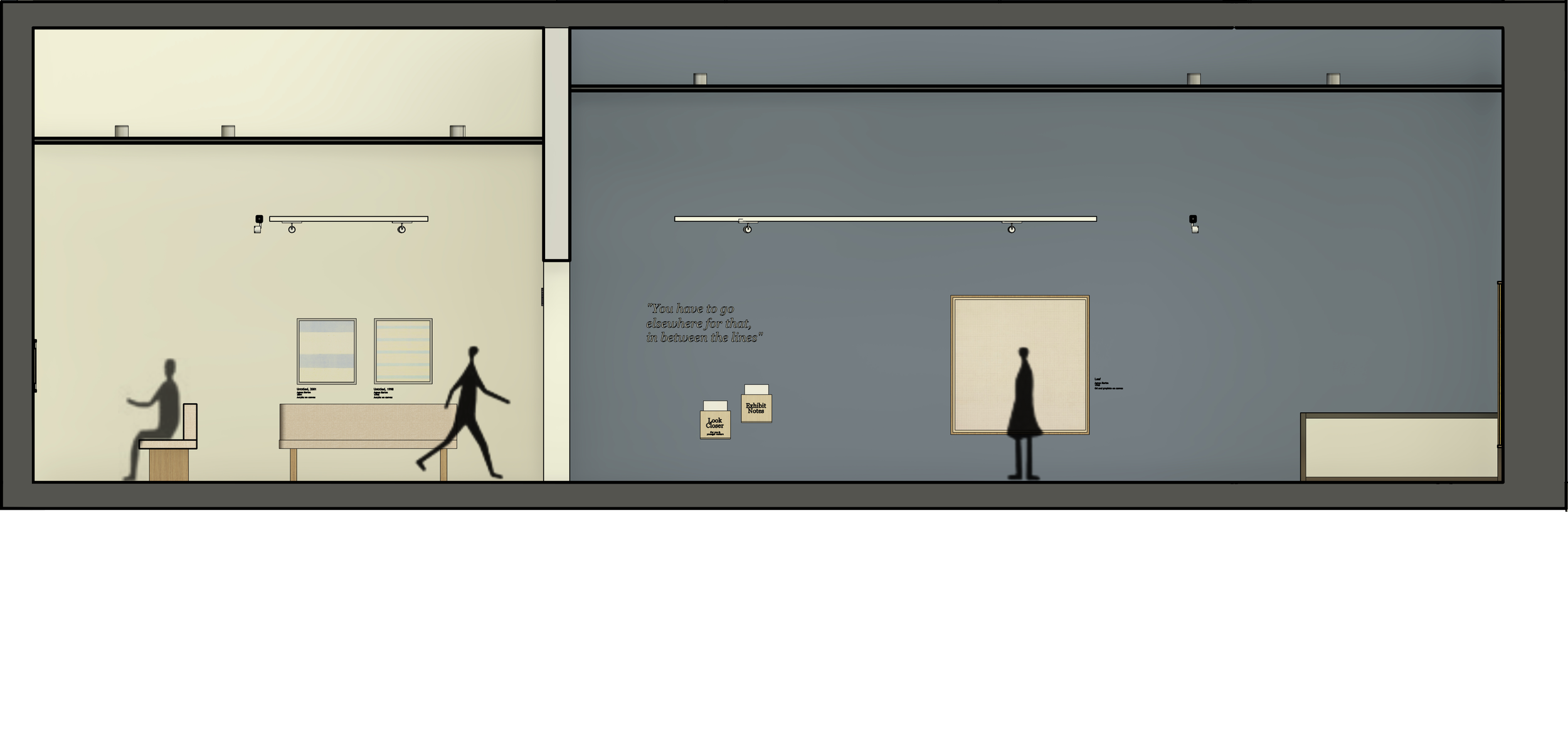
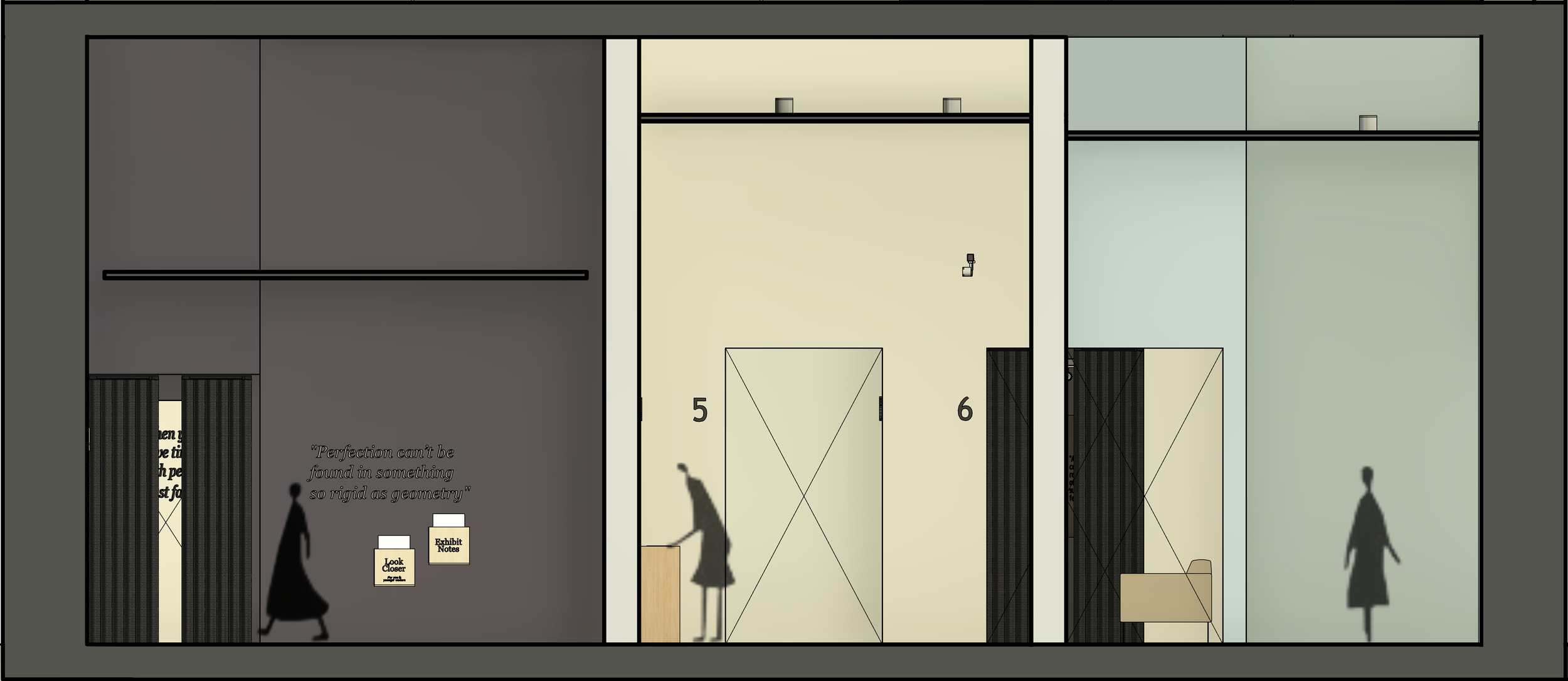
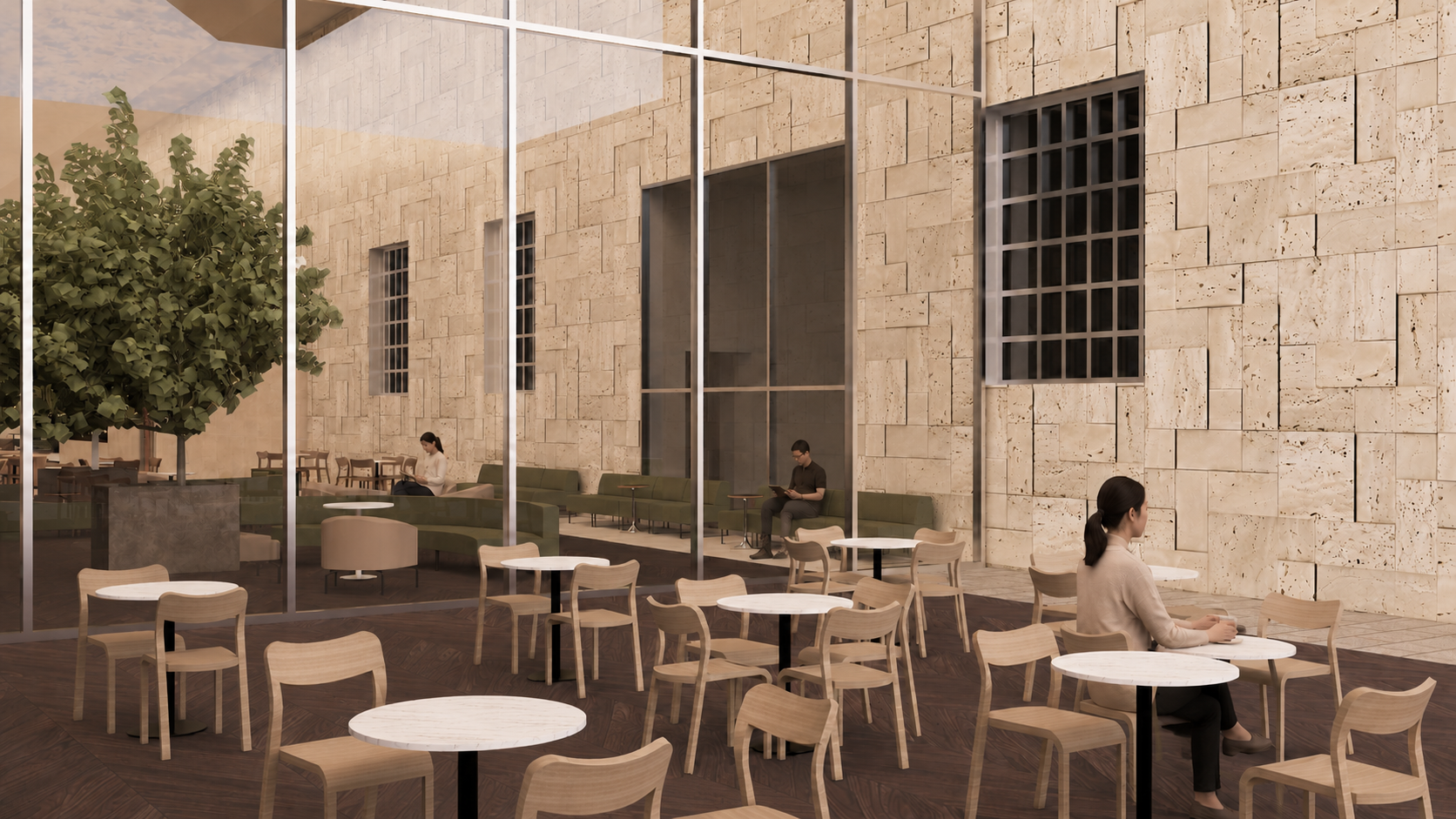
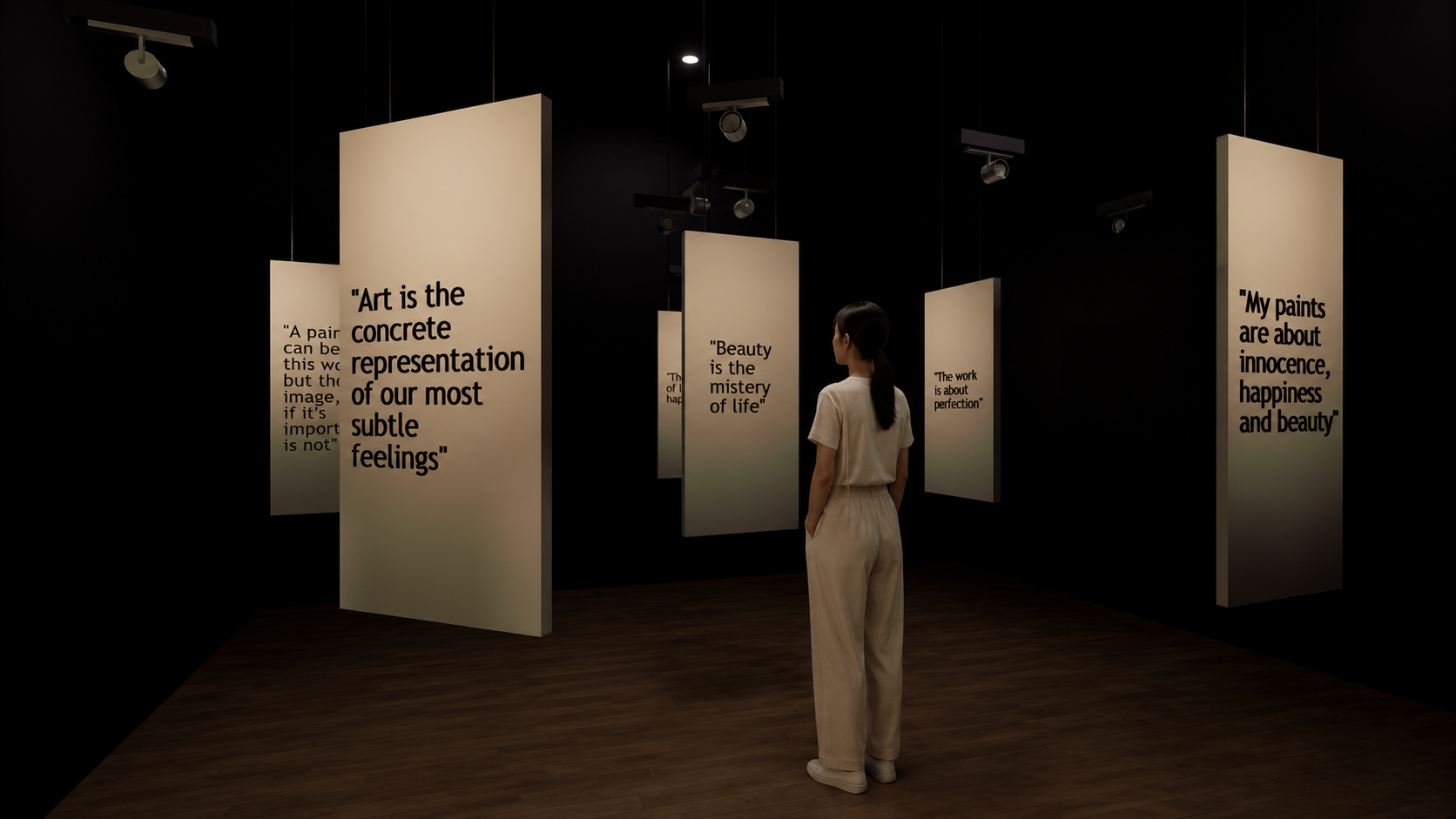
The project proposes a reassembly of the museum experience through interior design. Rather than prescribing a singular mode of engagement, it introduces spatial strategies that expand access: an antechamber that reframes how to look, circulation systems that support multiple paths, and environments that legitimize pause as part of engagement.
Ultimately, the thesis positions interior architecture as an active medium capable of redistributing agency, shifting the museum from a space that evaluates and fi lters its visitors into one that enables participation through spatial permission.