The Reauthored Home: Placemaking, Home, and Identity in a Commodified Housing Landscape

Phoebe Millspaugh // Advisor: Sarah Lippmann
Placemaking, Home, and Identity in a Commodified Housing Landscape
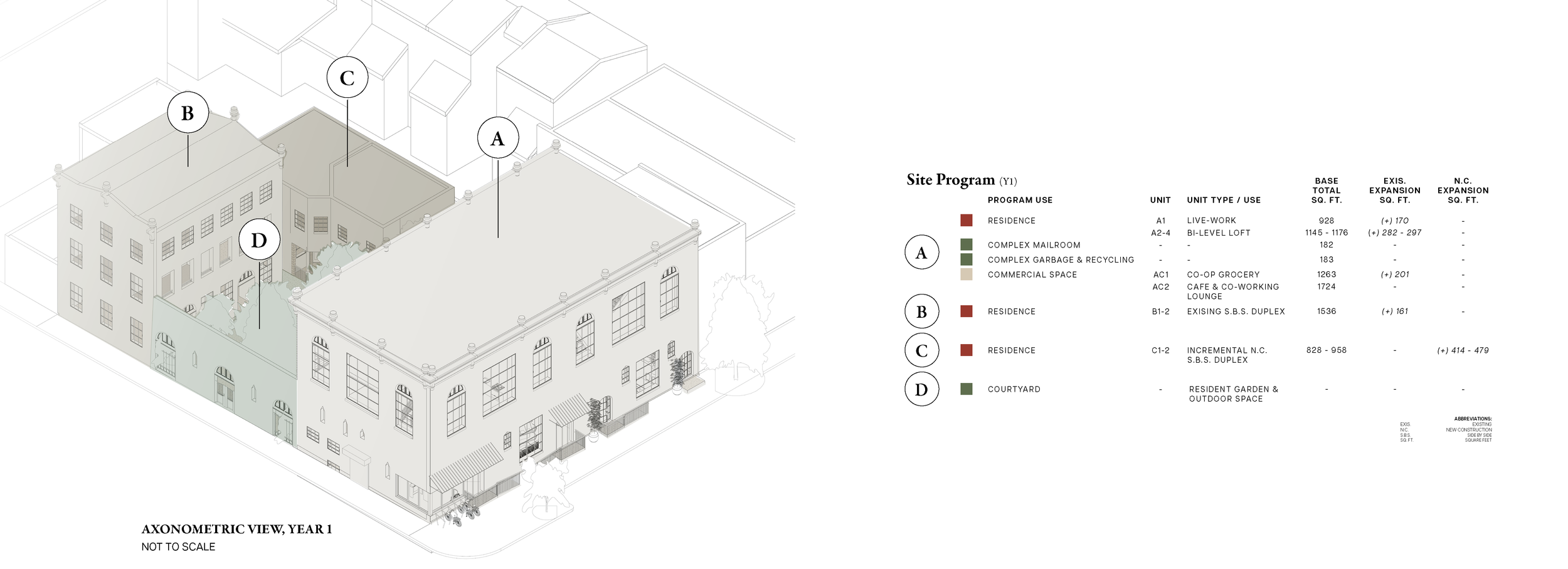
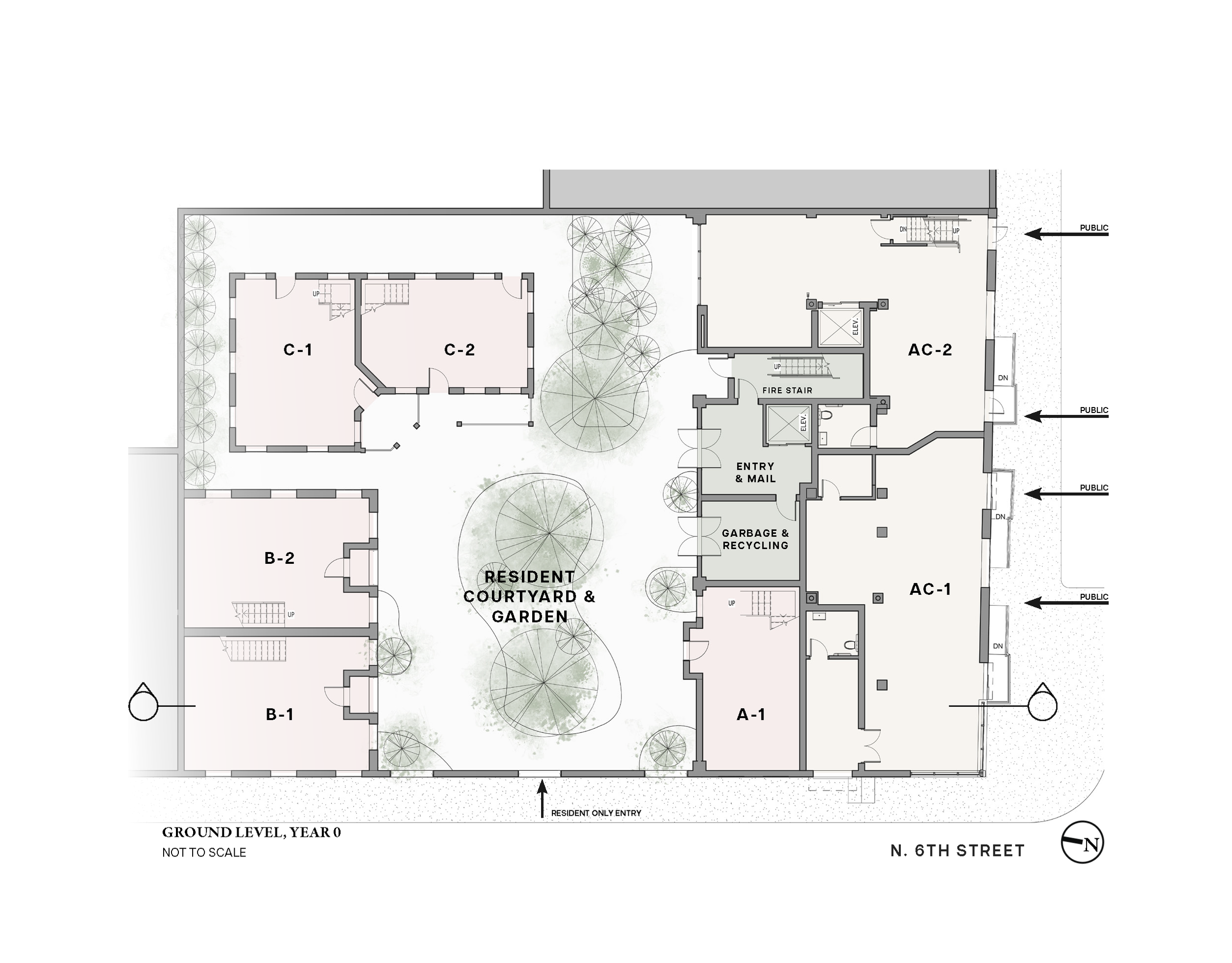
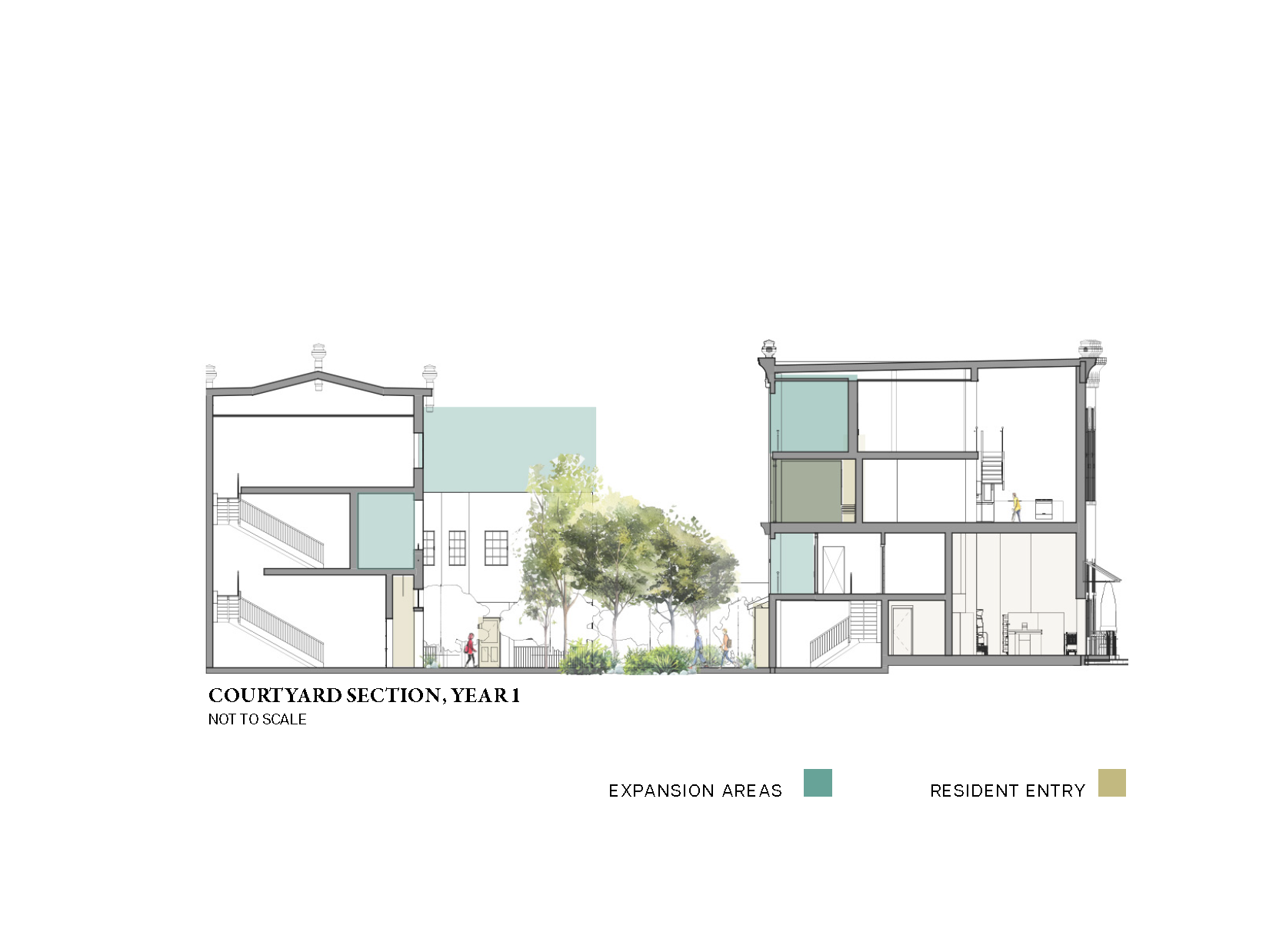
Over the last several decades, rising housing costs and persistent shortages have reshaped how people connect with the places they call home. The Reauthored Home examines how economic policy and speculative development have transformed housing from a lived environment into a market commodity, diminishing opportunities for rootedness, belonging, and personal authorship. In response, this thesis reframes home as an evolving dwelling shaped through identity, memory, and participation, asking how housing can better support adaptability, agency, and long-term attachment to place. Through historical research, site analysis, and survey data, an Adaptive Cohabitation Model is developed through incremental and participatory design strategies. A prototype intervention in Philadelphia reimagines a historic site through a “missing middle” housing approach emphasizing shared resident spaces, flexible layouts, and modification over time, positioning residents as active authors rather than passive occupants within an adaptable domestic system.