
Reclaiming the Past: Adaptive Reuse of Buildings with Dark Histories into Community Spaces
Cities are filled with buildings that carry dark histories: places shaped by conflict, exclusion, neglect, or other forms of social harm. These structures are often abandoned or demolished, generating waste and erasing the material traces that hold collective memory. This thesis explores how adaptive reuse can transform a building with a dark past into a community center; a place where community and creativity can help reinterpret the meanings embedded in the existing architecture. It examines how design can work with its remaining traces: materials, marks, atmospheres, and spatial conditions to shape new forms of public use. It explores how memory can remain visible but not dominant, creating a balance where the building’s past coexists with new opportunities for gathering, making, and living through shared experiences to rebuild the sense of community that was lost in history.
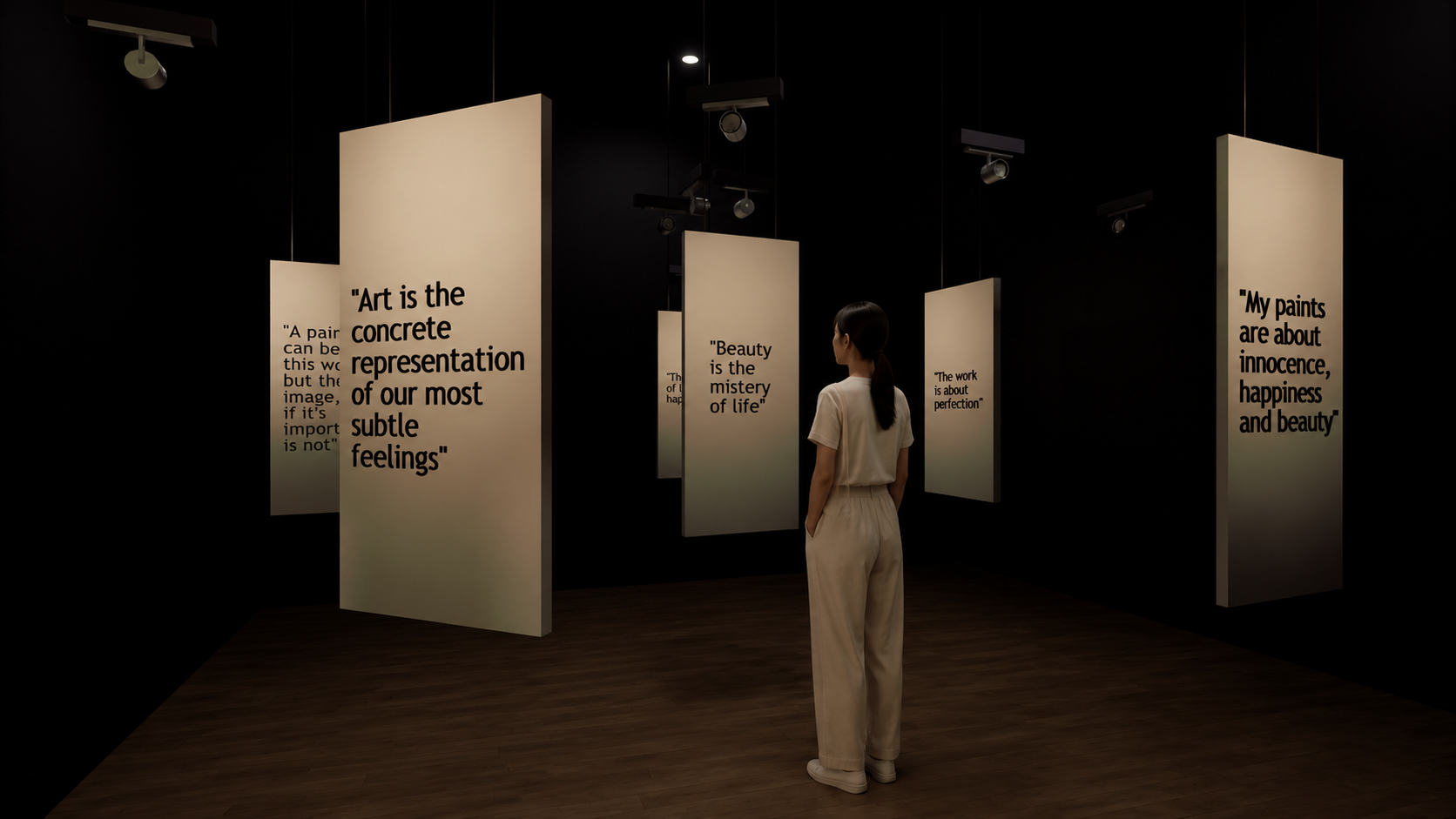
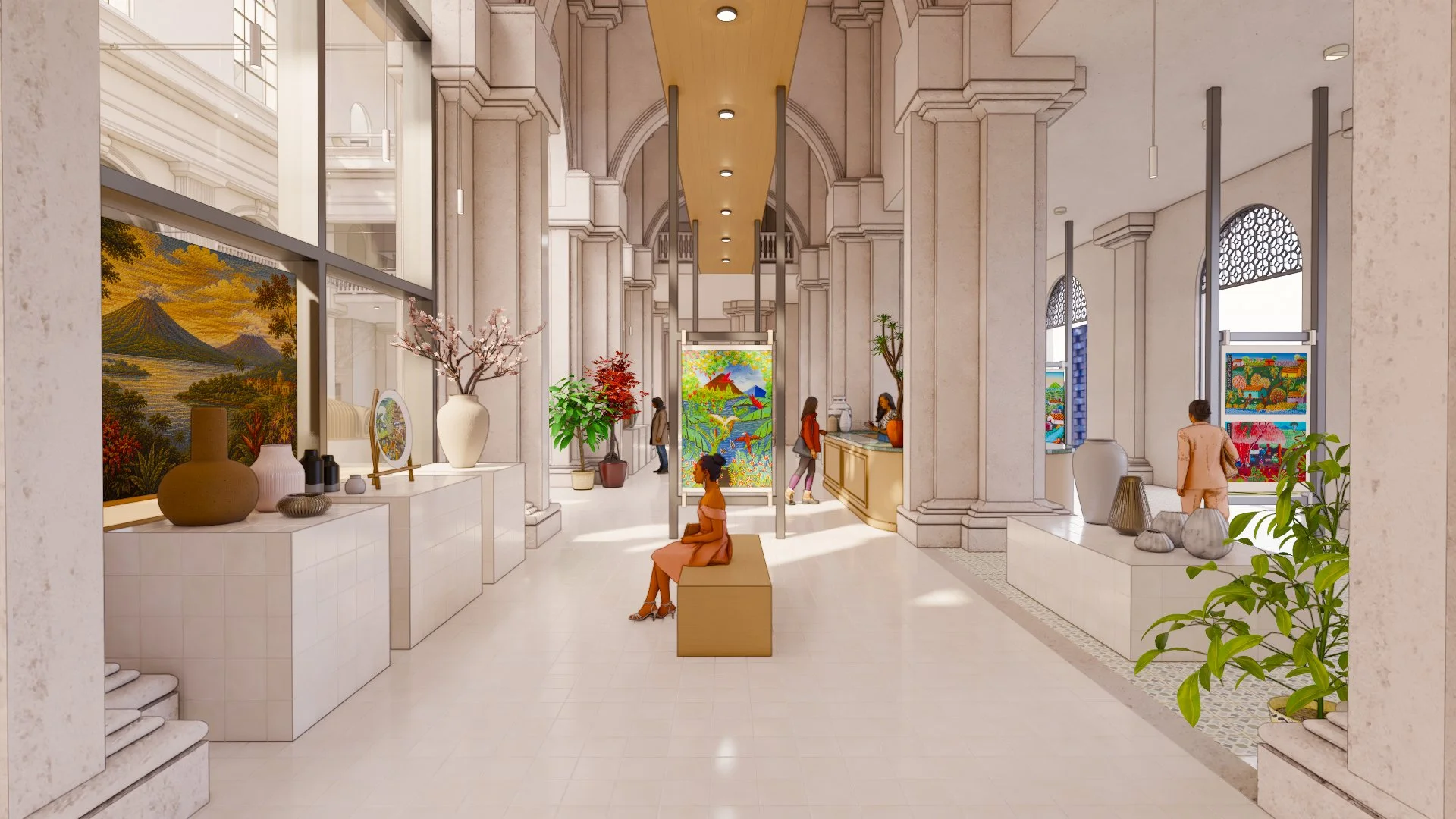
The Architecture of Permission: Dismantling Cultural Elitism in Museums Through Interior Design
The project proposes a reassembly of the museum experience through interior design. Rather than prescribing a singular mode of engagement, it introduces spatial strategies that expand access: an antechamber that reframes how to look, circulation systems that support multiple paths, and environments that legitimize pause as part of engagement.
Ultimately, the thesis positions interior architecture as an active medium capable of redistributing agency, shifting the museum from a space that evaluates and fi lters its visitors into one that enables participation through spatial permission.
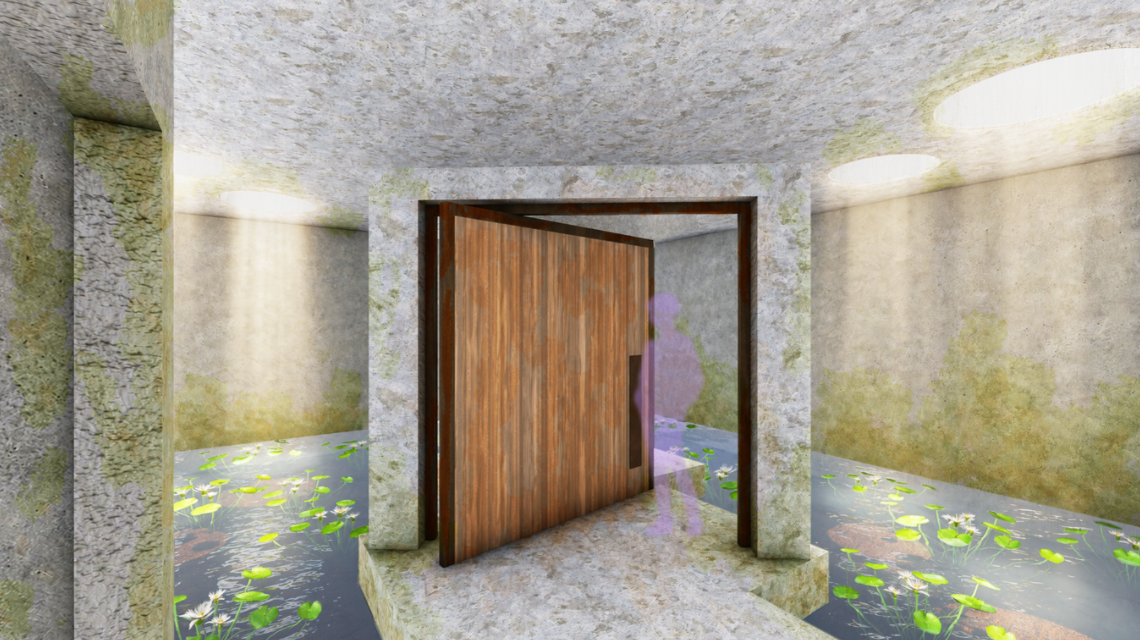
Architecture of Being: The Pursuit of Embodied Presence
This thesis investigates how architecture can cultivate embodied presence by reuniting the human body with the natural world through materiality, form, and sensory experience, while acknowledging the temporality of life. Drawing inspiration from spaces of awe and spiritual contemplation, it proposes architectural vessels that dissolve the perceived boundary between human and nature, an understanding long recognized by ancestral communities, in order to slow time, heighten awareness, and invite reflection on the fleeting nature of existence. Through the interplay of light, shadow, texture, and proportion, these spaces are designed not simply to be seen but felt, manifesting as serene yet dramatic sanctuaries where stillness becomes an active state of being and time is perceived as both passing and present.
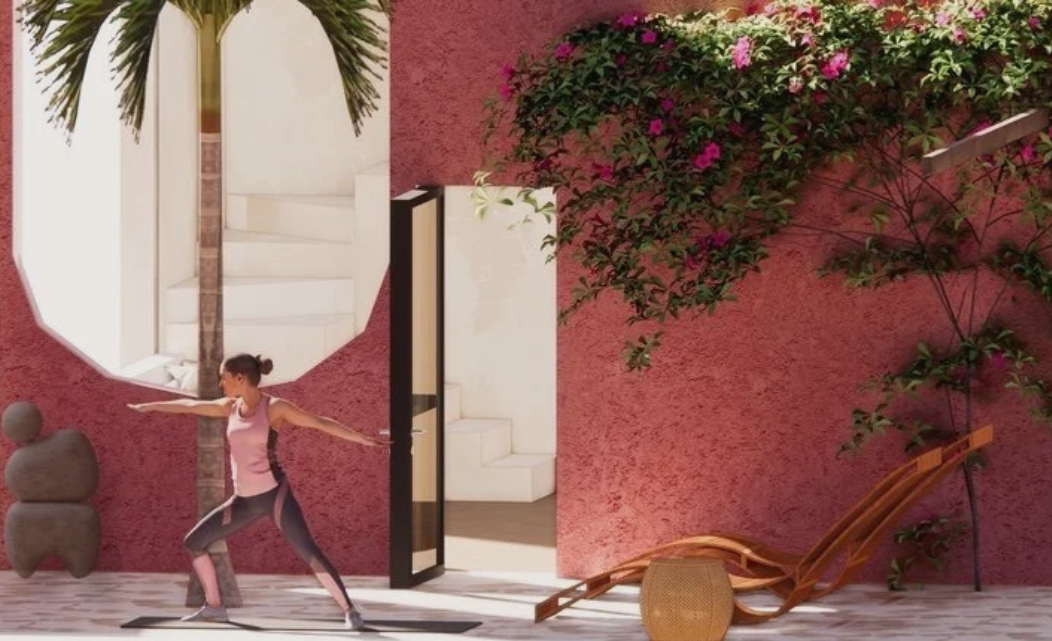
The Nomad Hideaways: Designing Small Spaces for Living, Making, and Belonging
This thesis explores how hospitality can serve as a vessel for storytelling and connection through design. It proposes a network of compact hideaways—each created by a different emerging designer—as platforms where craft, commerce, and dwelling meet. Sharing a minimalist form but rooted in local materials and traditions, each retreat reflects its U.S. setting—forest, desert, coast, or alpine—through area-based materials. Blurring the line between refuge and exhibition, guests are invited to live within design itself: every object, garment, and crafted detail is part of a curated, shoppable experience. The project examines how small, site-responsive spaces can foster slow living and belonging while embracing imperfection, authenticity, and wabi-sabi beauty.

The Experience of Performance
At some point in our lives we have all experienced a live performance in some capacity, whether this means musical or theatrical. The thing that we don’t always notice is what made a performance memorable besides the artists. This tends to be because most people only take notice to the visuals of the interior, but not always do they notice how the acoustics of the space have been curated because the results do not take on a physical form. My thesis will be concentrated on how to curate an acoustically focused space through sound manipulation and materiality, while working in conjunction with the concept of immersive experiences of the interior and how the building itself can be an aspect of the overall performance.

Accompaniment: Co-living with Nature
Accompaniment is a way of being with people and nature that fosters joy and interdependence. It is a reminder that people and nature are not separated, and people are part of nature, where people and nature continuously interact and promote one another. My thesis focuses on the ways to achieve this concept in a built environment by addressing nature as a member of our community. In this community, cultural diversity and biodiversity is valued and associated with the place’s distinctive identity. What makes this Nature-Human Community Center special is the unique integration of culture with nature. The space encourages nurturing the symbiotic relationship between humans and nature through continuous exposure to self-education and activities involving art and nature in the ecological and sensory rich environment. This is to promote a close human-nature connection for a better understanding of sustainable culture and community. This holistic design focuses on the community space enriching the interdependent relationship between humanity and nature.

Scent as Scene: Alleviating Loneliness Through Spatial Experience Informed by Scents
Loneliness affects people of all ages, ethnicity, genders and occupations. It is a growing global issue, and has negative impacts on health and wellbeing. This thesis proposes to counteract loneliness by creating attachment to place through scent. By using scent to provoke memories of experiences, we can restore place attachment, which provides a sense of security and comfort. Designing for olfactory experience helps to cue vivid memories. Memories of scent are emotionally rich. The goal is to restore connections in design through scents, and create moments that evoke memories and nostalgia to alleviate loneliness.

Using Immersive Nature Experiences to Enhance Wellbeing and Promote Conservation of our Natural Environments
By creating immersive nature experiences and exploring aesthetics, sustainability, wellbeing and craftsmanship my thesis aims to develop a seamless, interactive experience between people and nature in order to enhance wellbeing and promote conservation of our national environments.

Perfectly Imperfect: Resurrecting a Legacy of Purpose Through Materials, Forms, and Space
Century-old buildings leave us to retell their stories through their materials, forms, and spaces. I created the phrase “perfectly imperfect” as a way of finding beauty when two materials and/or forms blend with existing materials to form a singular artifact that is perfectly imperfect. Using an estate of grand size and beauty, historic as it is, deserves a mission and purpose grander than its original one-family function. A “legacy of purpose” will be resurrected with this historic estate, honoring Helen Gould’s mission and values in how the estate should be repurposed, as a fashion and textile trade school for high school graduates. If she were alive today, she would want the estate to contribute to the greater New York City’s underserved youth in this way. Three beautiful buildings on this historic site will be greatly enhanced by these renovations and this relevant, contemporary mission.