
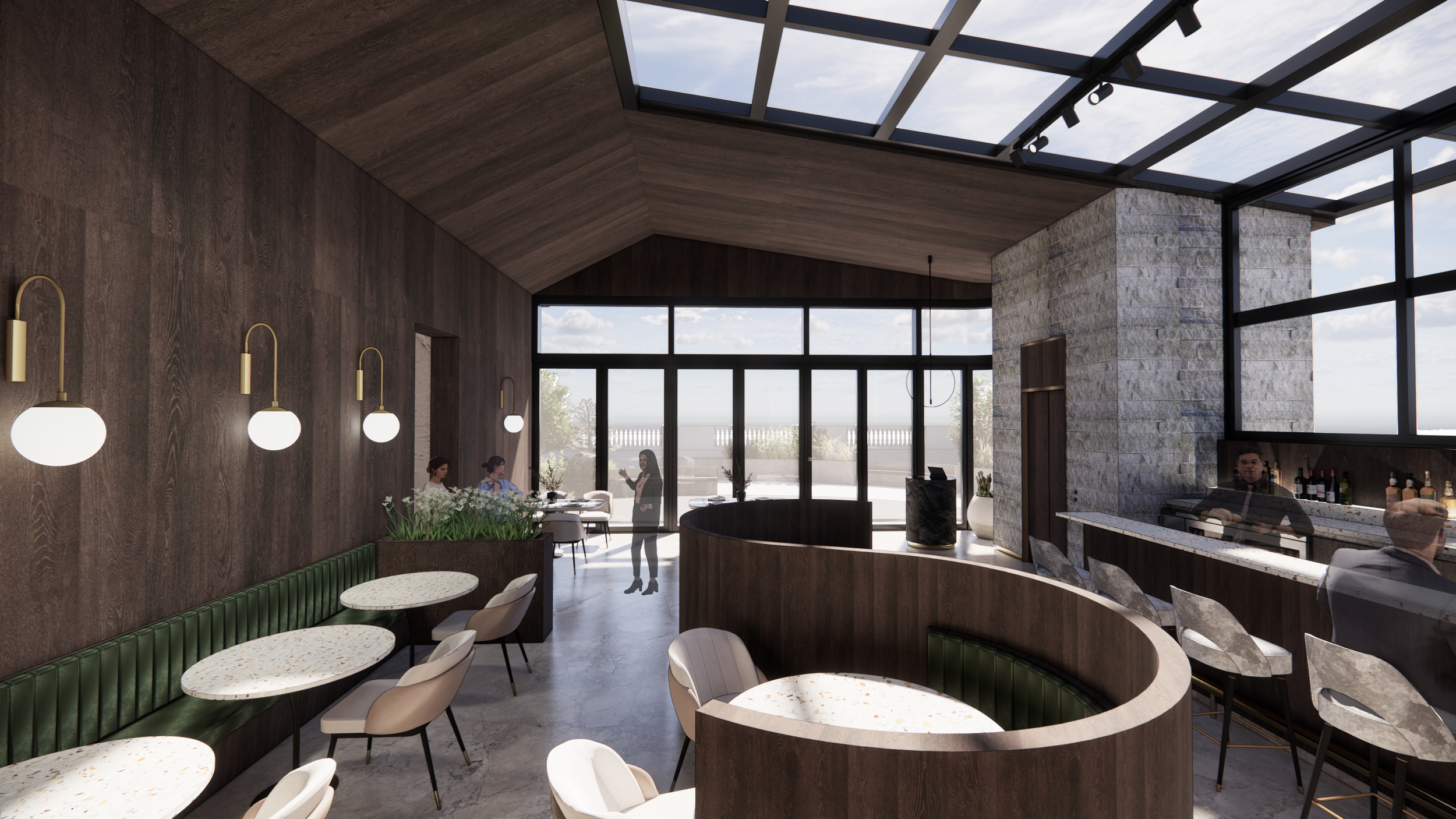
Nature Connection: Integrating Nature into Sensory Design
Modern humans spend about 95% of their lives indoors, constituting a significant portion of their time. This shift towards indoor living has underscored the importance of creating indoor spaces that prioritize health and well-being. Given this need, my thesis aims to explore connections between sensory design and nature, investigating how the integration of nature into sensory design can generate diverse and immersive sensory experiences indoors. This exploration seeks to understand how the fusion of natural elements and sensory design can enhance their collective impact, resulting in more captivating designs, novel experiences, and greater well-being.
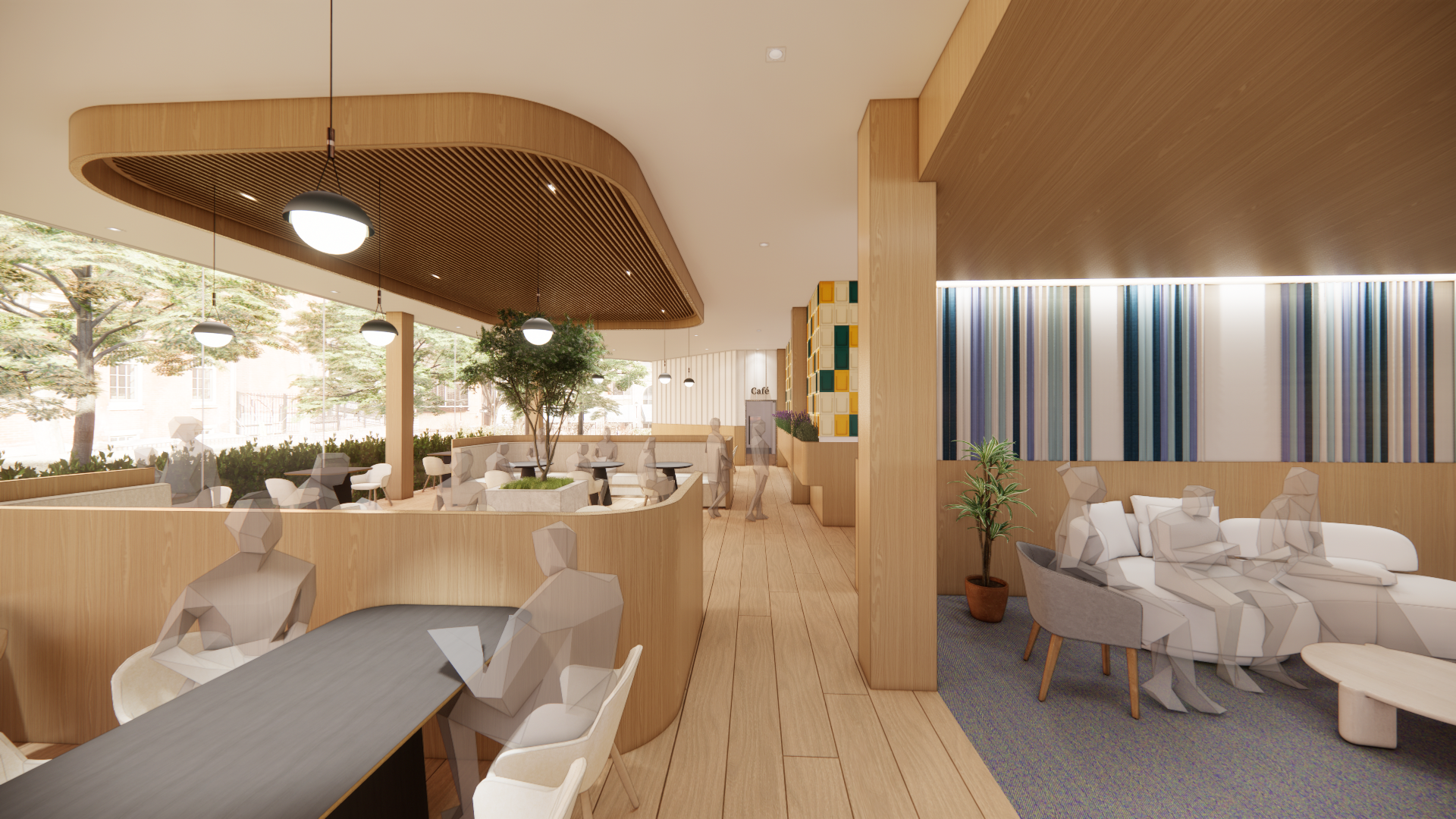
Future proofing communities: enhancing community connectivity to promote elderly well-being
My primary objective of the thesis is to tackle the escalating issue of loneliness and isolation prevalent among the elderly post-retirement. This research endeavors to delineate a comprehensive framework centered around pivotal concepts such as 'Inhibiting Loneliness ,' 'Active Aging,' and 'Aging in Place.' The overarching aim is to establish a systematic approach for efficacious interventions. The paradigm shift from a reactive 'cure' model to a proactive 'prevention' model in addressing loneliness necessitates a concerted effort in promoting social engagement among the elderly, with a robust emphasis on community-centric strategies. The central focus is on cultivating a supportive environment within communities to foster meaningful connections, thereby contributing to the overall well-being of the elderly.
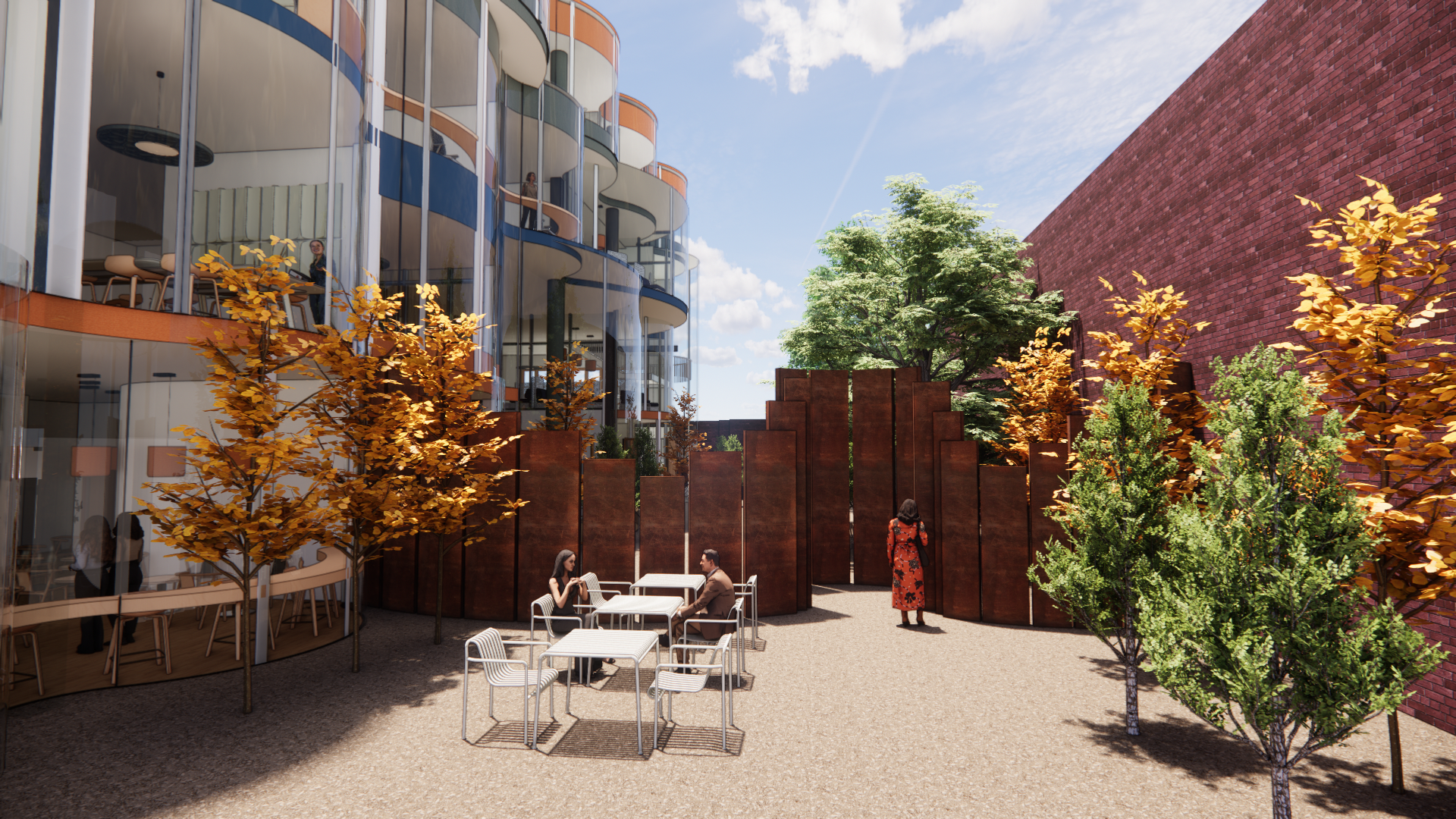
Creating Quiet Third Spaces using Introverted Design
Interior spaces foster community and create comfort for different types of people. The design of the spaces themselves can affect these experiences through function, aesthetic, materiality, and layout. This project investigates these experiences through the lens of introverts. As a self-identified introvert, many of life’s institutions are made by and for extroverts: schools, workplaces, and public spaces. This thesis delves into the reasons behind how these spaces are designed, and how integrating introverted spaces and communities in a more meaningful way is possible. Emphasizing the importance of quiet, reflective, and recharging spaces in urban environments for all types of people.
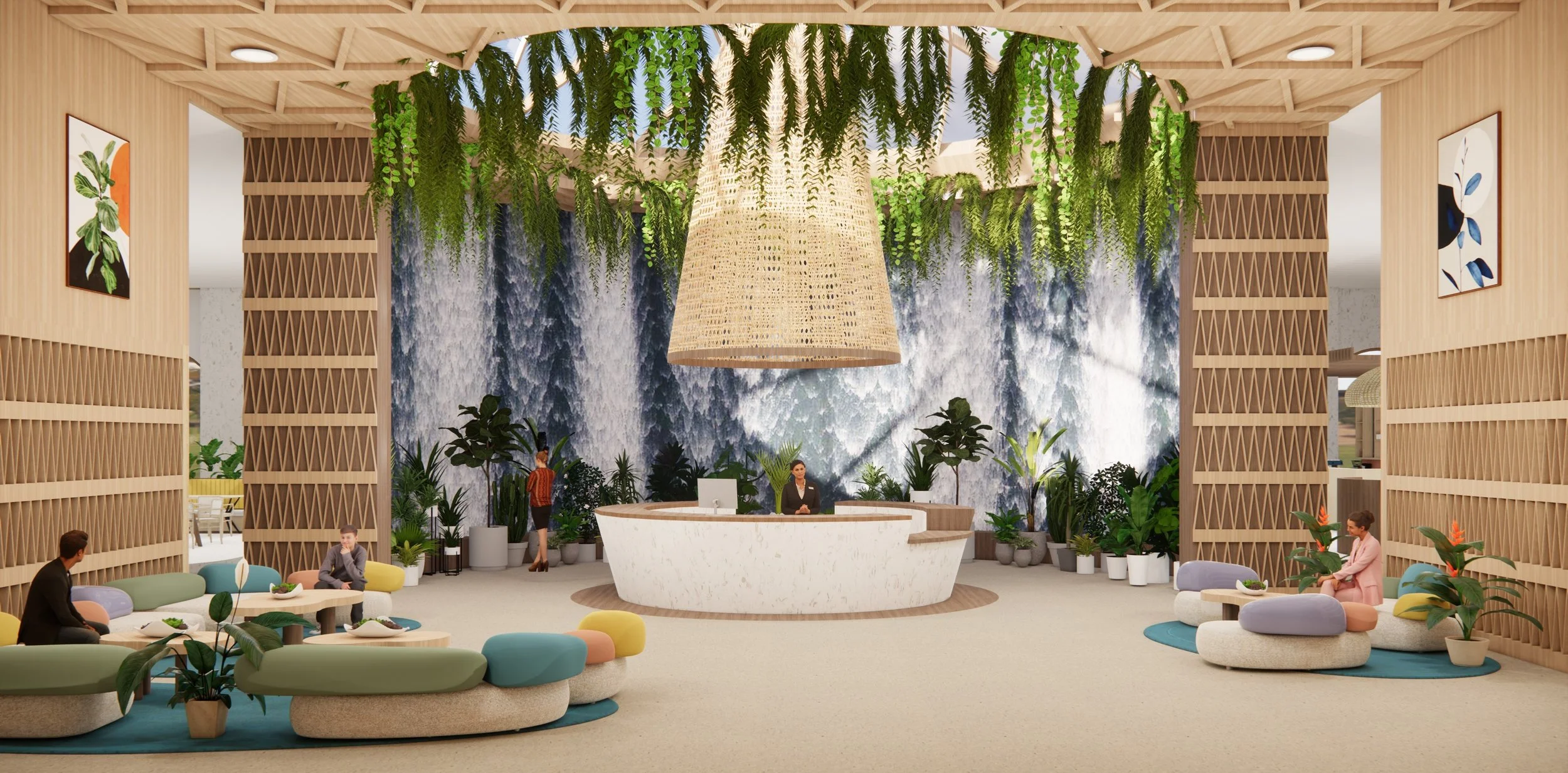
Revitalizing Urban Work Environments though Biophilic Design
Recognizing the detrimental effects of nature deprivation on human health within urban environments, my research investigates the adverse impacts of urban landscapes and proposes a solution through the integration of biophilic design. By highlighting the beneficial influence of nature on both mental and physical well-being, this study explores the transformative potential of incorporating natural elements into urban settings. My thesis specifically focuses on creating a biophilic co-working space for the working class in Mumbai, aiming to promote healthier and more sustainable urban environments that facilitate a harmonious coexistence between city dwellers and the natural world.
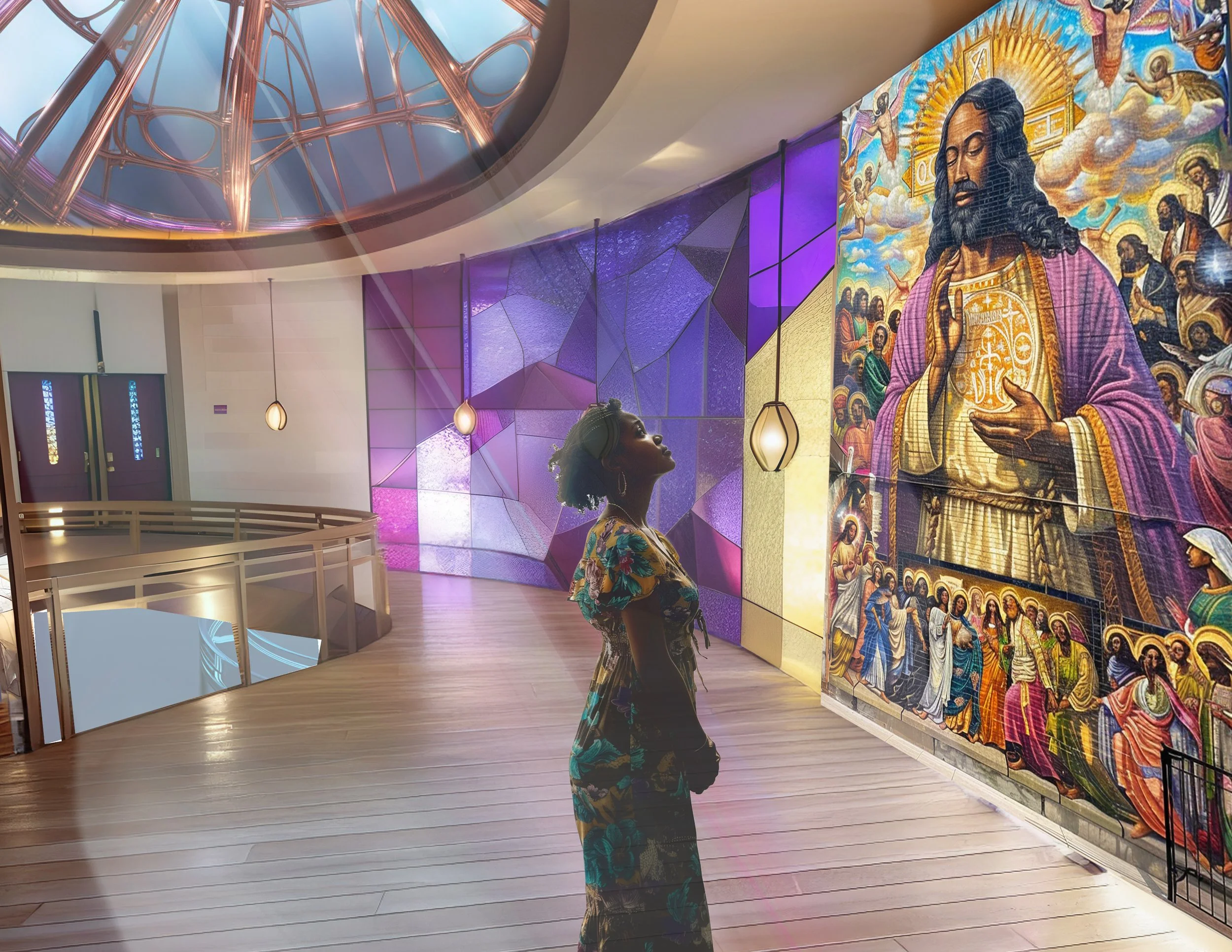
Sacred Spaces, Sacred Bodies
This thesis explores the role of spirituality in the lives of Black women and how it intersects with their experiences as women and as members of the Black community. It sheds light on the significant but often overlooked contributions of Black women in spiritual settings, where patriarchal norms tend to diminish their importance. The thesis highlights the symbolism of the female body, especially in relation to the cross. It also looks at how Western spirituality, particularly Christianity, blends with practices unique to Black women, creating a spiritual connection between the soul and God that goes beyond traditional religious practices. Ultimately, the thesis argues that Black Female Spirituality, influenced by Black feminism, offers a transformative perspective on religion, challenging traditional patriarchal structures and reimagining the roles of Black women within these spaces.
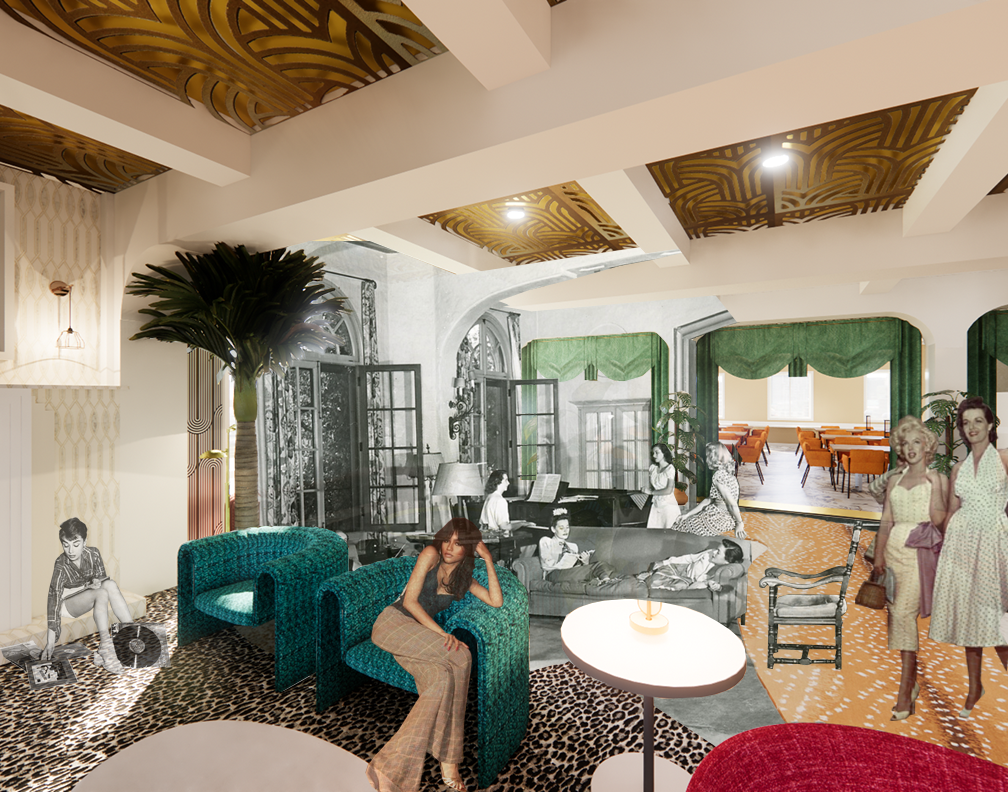
Pearl & the Moon: The Women’s Sphere, Spatial Empowerment, and Femininity
This thesis is immersed in materialist feminism, which critically examines the social and economic structures that perpetuate gender inequality, with a particular focus on the family, domesticity, and motherhood. Utilizing this theory, I will maintain a focus on reclaiming domestic spaces and defining a "feminine" space, as well as examining the association of women with specific spaces such as the kitchen, and expanding these spaces into a celebrated, collaborative, public realm. This endeavor seeks to redefine the characteristics constituting a "feminine" space, considering the intricate dynamics influenced by societal expectations, gender roles, and historical constraints. The design offers spaces to feel safe, to live, to work, and to feel celebrated in a joint community.
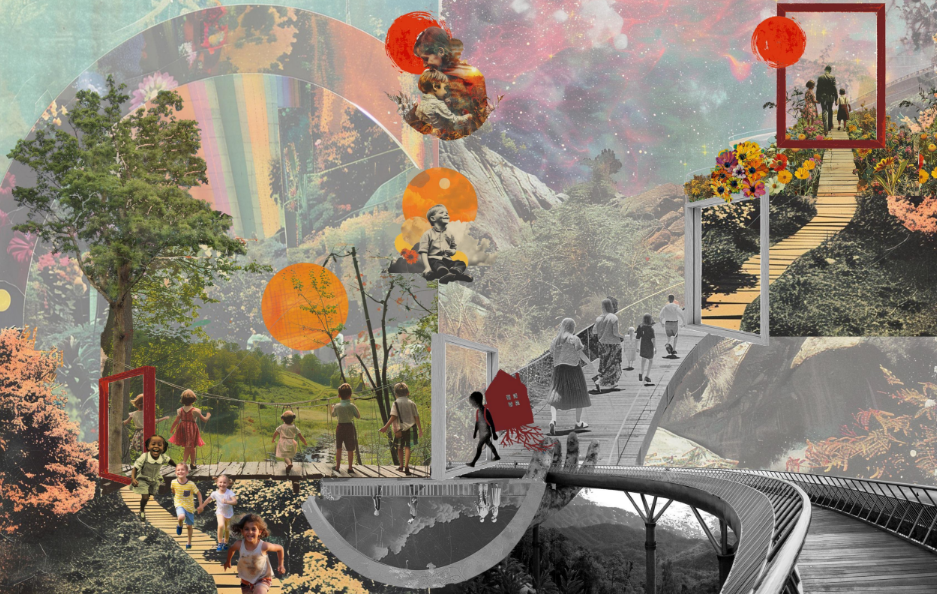
Discovering the Therapeutic Potential of Space for “Emotionally Unrecognized” Children
This thesis project focuses on the often-overlooked group of "Emotionally Unrecognized" children—those dealing with challenges like parental death, mental illness, parental incarceration, or high-conflict custody battles. It aims to uncover the therapeutic potential of purposefully designed spaces for children who experience trauma, emotional neglect, abuse, and adversity. The research studies the intricate relationship between built environments and human experiences. By emphasizing the transformative and healing capacities of environments, I highlight the significant role of interior architecture in supporting children's holistic development and well-being. The research focuses on creating healing, nurturing, and supportive spaces, integrating psychological and emotional dimensions into the design process.
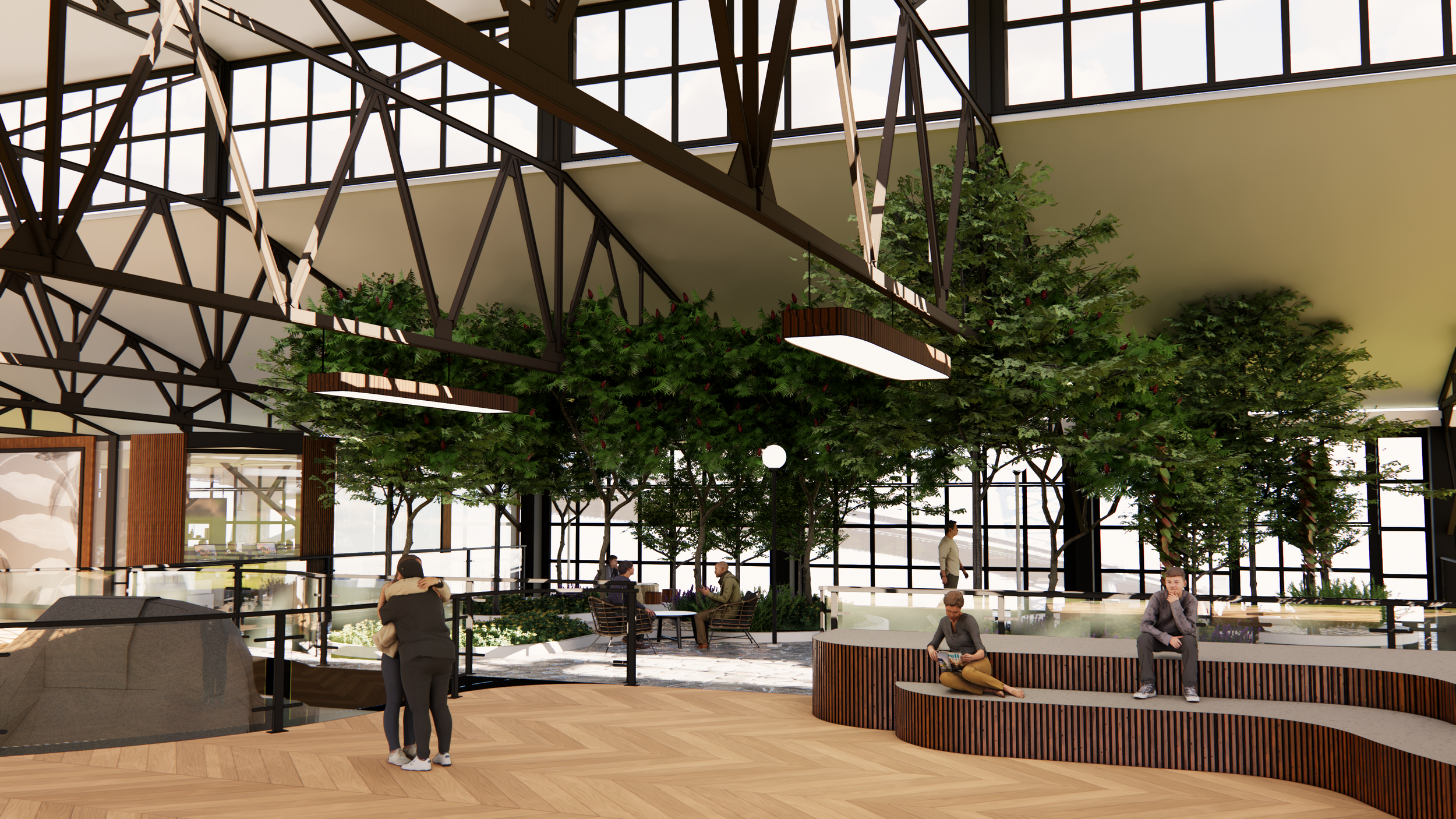
Biophilic Design in Hybrid Workspaces: Enhancing Employee Wellbeing in a Post-Pandemic World
In a post-pandemic world, the traditional workspace has undergone a transformative shift, embracing hybrid work models. This thesis explores the evolving dynamics of future workspaces with a keen focus on employee wellbeing, specifically through the integration of biophilic design. By incorporating natural elements, fostering community connections, and promoting mental health, this study aims to highlight the benefits of biophilic environments on employee health, productivity, and overall satisfaction.
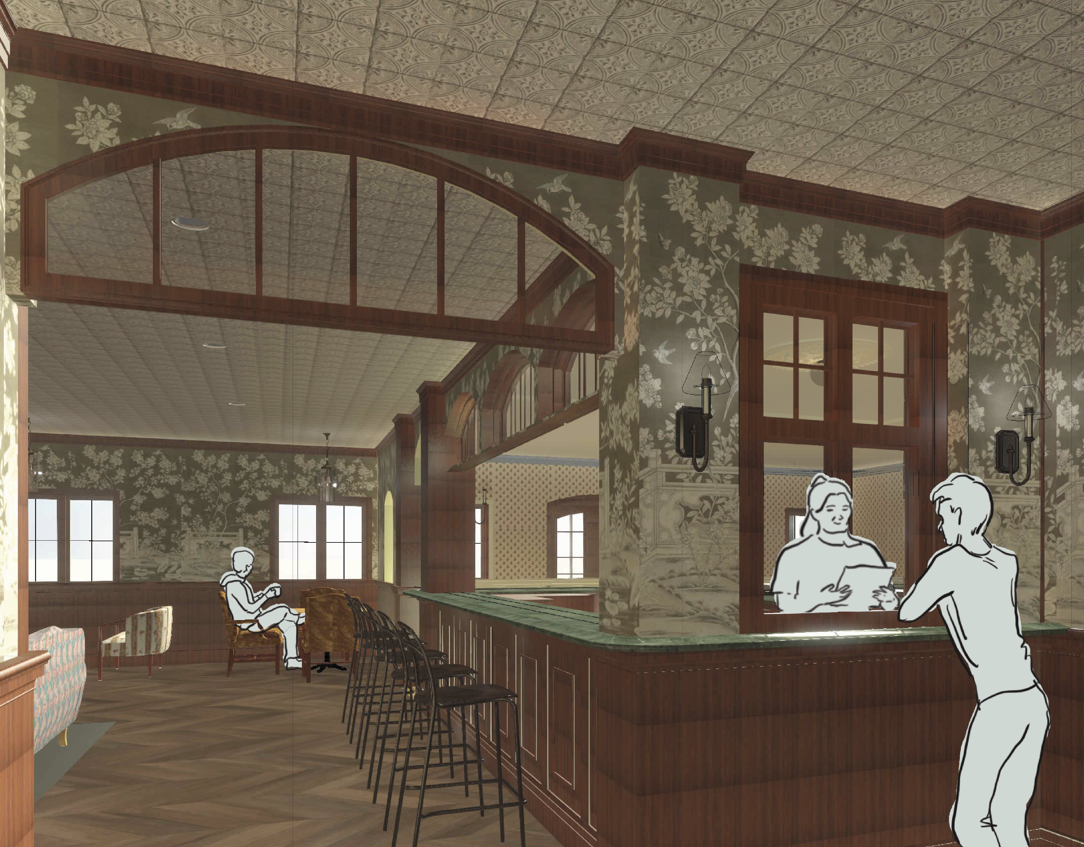
Hedge & Oxbow: Designing Enchantment and Awe
Hedge & Oxbow are a tavern and monumental site respectively along a network of footpaths in historic Hillsborough, NC. These spaces aim to reintroduce enchantment and awe into the built environment, and by extensions, the community. This will be accomplished through the use of vernacular architecture, heritage folklore, and communal ritual.
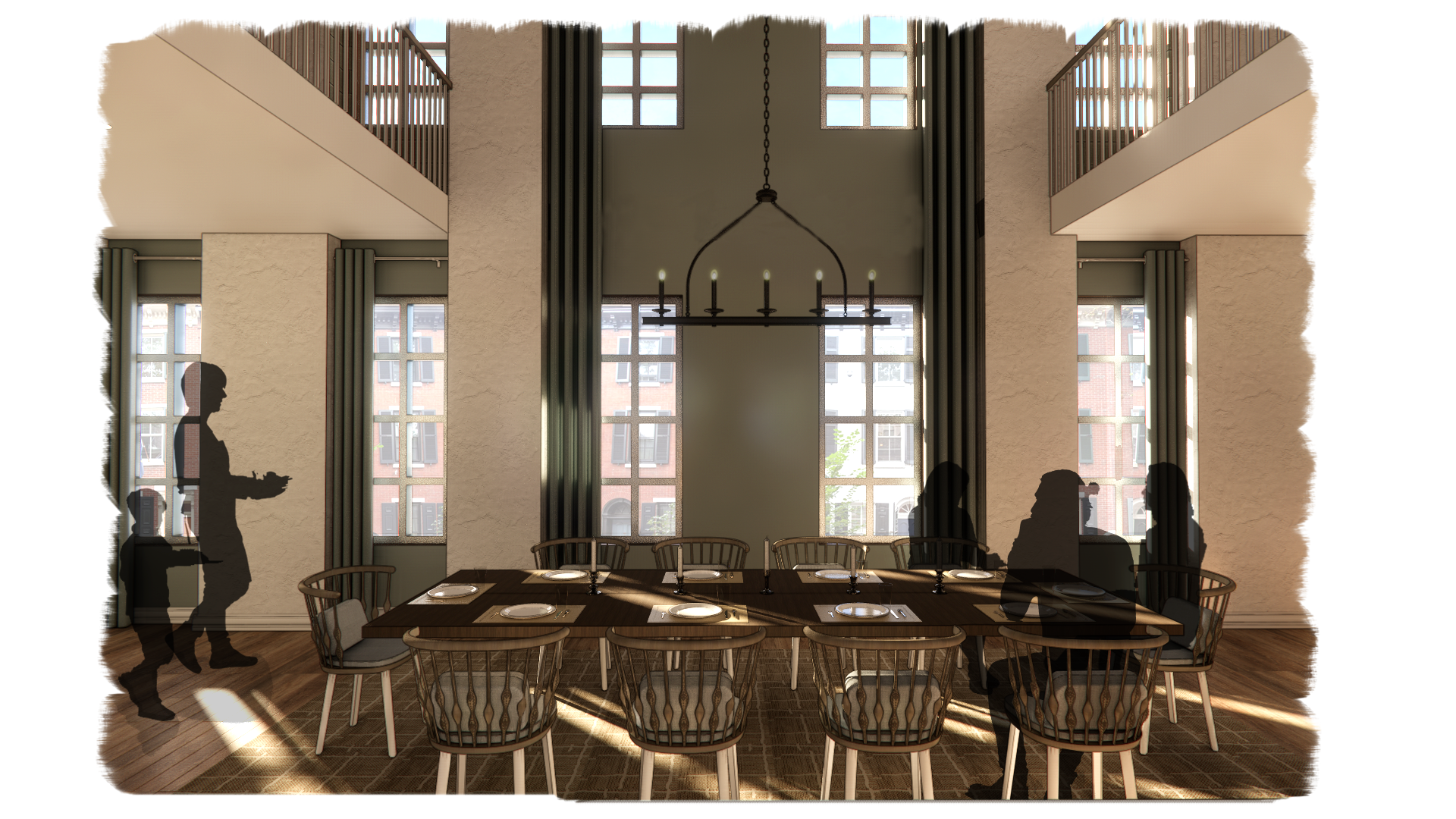
There’s No Place Like Home: Uniting Generations, Celebrating Cultures, and Embracing Expression
The foundation of my thesis is grounded through the central theme of the concept of “home” as it’s understood through the lens of cultural traditions. A person’s home acts as a source of emotional security, comfort, and a profound sense of belonging. It serves as the foundation for building relationships and creating memories. My thesis outlines a study that seeks to deepen our understanding of the concept of home through an exploration of cultural traditions passed down through generations. My thesis employs the theoretical framework of place-identity to examine how an individual’s sense of belonging is intertwined with their cultural heritage. By utilizing this concept, my thesis focuses not only to understand how cultural traditions contribute to individuals' sense of place-identity but also to actively create a space for the exchange and preservation of these traditions. This space is envisioned as inclusive and welcoming, fostering intergenerational dialogue and the sharing of personal narratives among individuals who share similar cultural values.
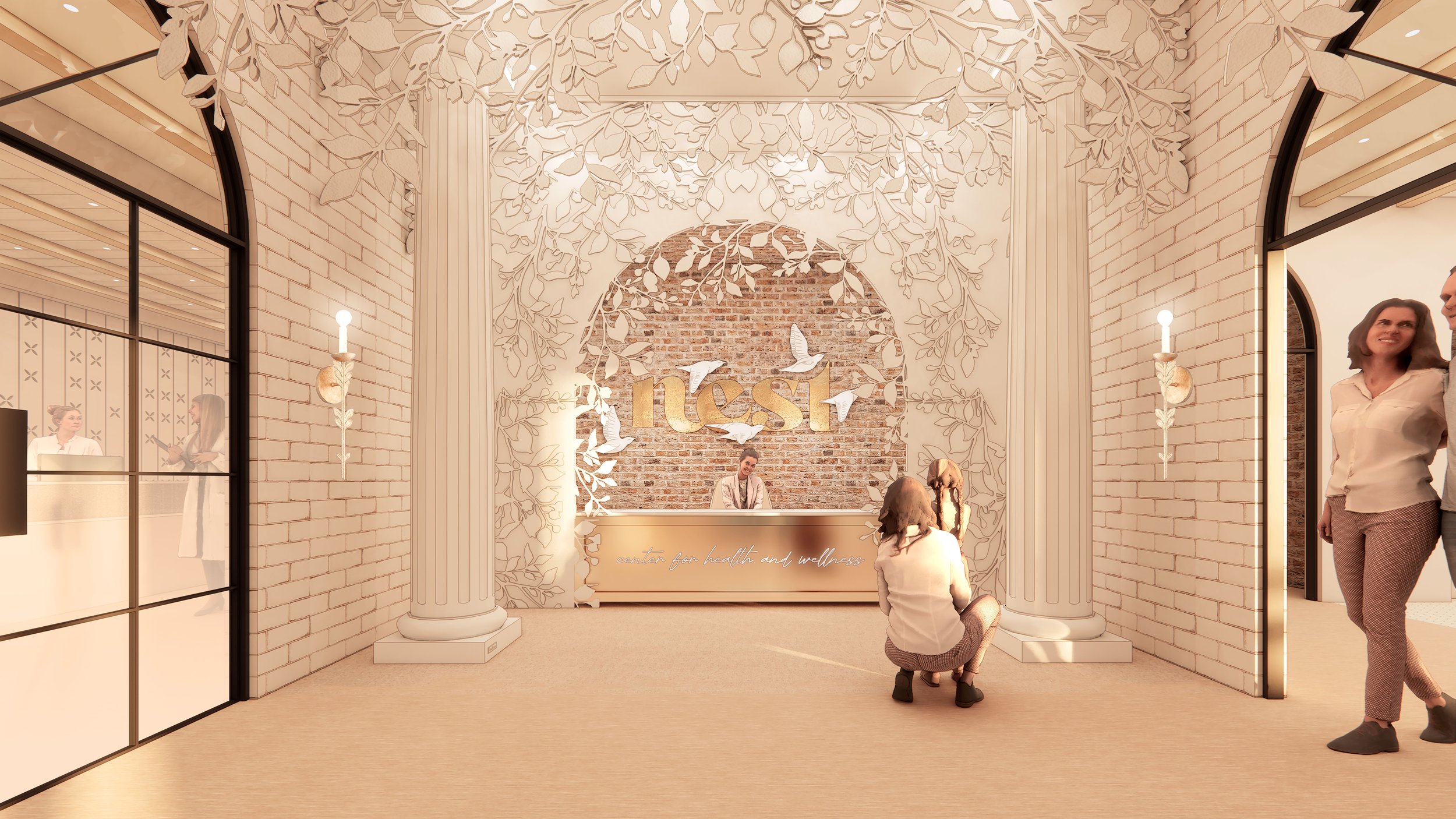
Beyond Birth: Crafting Supportive Postpartum Environments
There are 3 million pregnant women in the United States each year, and many feel like candy wrappers: packaging to be discarded after use. American apathy towards the female experience after birth is reflected in our lack of standardized postpartum care. This has contributed to one of the highest maternal death rates among the developed world, with more than half occurring after birth. According to the WHO, many of these deaths are preventable with proper postpartum care. This thesis explores the role of interior design in providing this crucial support, aiming to improve outcomes for both mothers and infants.

Unlocking Creativity: The Transformative Influence of Playscape Facilities on Children’s Emotional, Cognitive and Identity Making
In the times where children are increasingly engaging in less physical play, my thesis focuses on the immersive integration of children in environments that prioritize exploration and creativity through the strategic design of 'Playscape' facilities. These purposefully crafted environments play a crucial role in fostering imagination, problem-solving skills, and overall cognitive and emotional development during the critical early years of a child's life. The profound link between physical spaces, furniture, and developmental outcomes underscores the importance of creating spaces that actively promote creativity and contribute significantly to a child's holistic growth. Moreover, these playscapes serve as inclusive spaces where parents can spend quality time with their children, fostering a strong parent-child bond and supporting the child's development in a shared, nurturing environment.
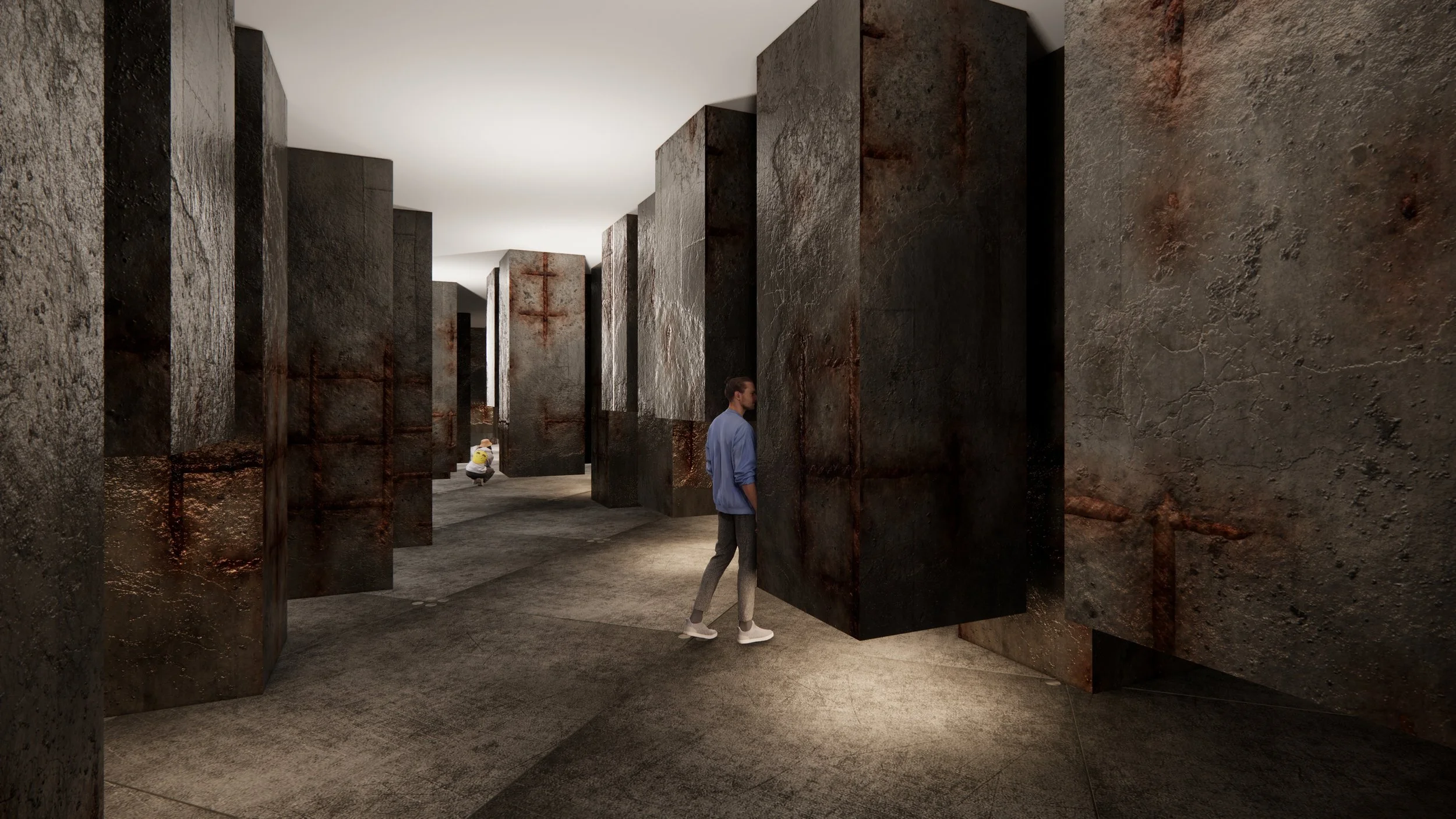
Recreating Episodic Memories Through Immersive Environments
This thesis investigates how architectural design elements evoke emotional responses, influence the encoding and retrieval of episodic memories, and engage sensory perception within built environments. By analyzing the impact of spatial configuration, lighting, materials, colors, and sensory stimuli on emotional experiences, the research aims to elucidate the mechanisms underlying memory formation and the creation of memorable architectural experiences. Ultimately, this research contributes to a deeper understanding of the relationship between architecture, emotion, and memory, with implications for the design of more enriching and impactful built environments.
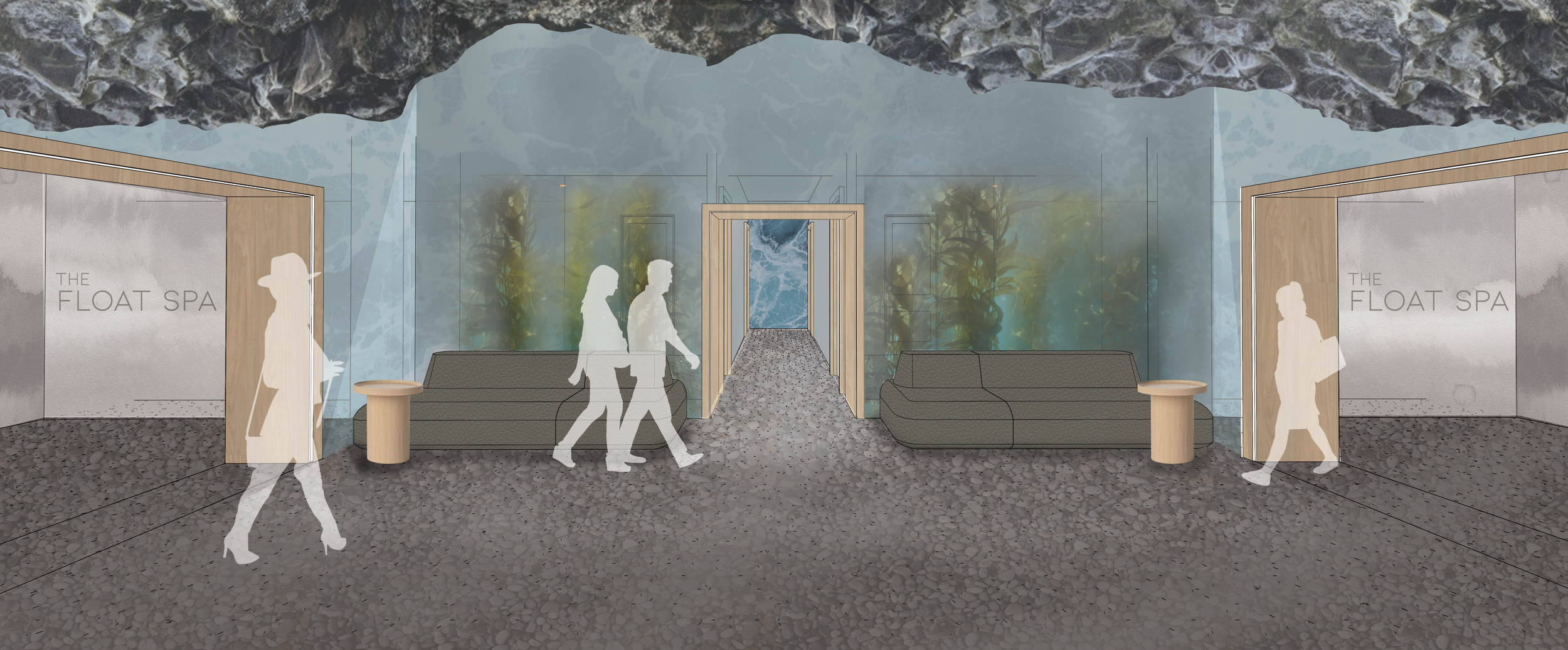
The Blue Interior: A Future Speculation on Acceptance of Rising Tides
Beaches and shorelines are some of humanity’s most treasured places. However, sea level rise as a consequence of climate change threatens to erase these communities from the map entirely. And, even in the face of destruction, the choice to leave one’s generational home is a difficult one. I argue that instead of simply running from rising waters, the more proactive solution is to design intentionally in-place, preserving the history of our treasured beach towns. As we grapple with the reality of encroaching tides, this thesis explores the human relationship with coastal inhabitation in the context of the Jersey Shore, and reimagines living near water as living with water.

CommonRoom: Reviving Community Spirit as a Health Imperative
In today's society, the escalating loneliness epidemic underscores the need to reassess our built environment. This change acknowledges the substantial influence of our surroundings on health and social interactions, reflecting Sandro Galea's view that health is shaped by various societal and environmental factors. CommonRoom, an intergenerational mixed-use development, is crafted to enhance social connections and mitigate the loneliness epidemic prevalent in contemporary society. Drawing from an extensive place analysis in Old Delhi, the foundational guidelines of my design thesis inform both the zoning and development phases of the CommonRoom project.

Temple at Tiffany’s: Finding Meaning in Contemporary Material Culture
Temple at Tiffany’s is a set of interior interventions that explore our complicated relationship with material culture. The project examines our aspirations of luxury, and questions widely accepted symbols of status and appearances. Through carefully curated associations with personalities like Audrey Hepburn and Beyonce, Tiffany’s epitomises elegance and sophistication. Tiffany’s is a symbol of prestige that operates through mechanisms of reification, fetishization, and phantasmagoria to construct meaning and produce objects that embody wealth and power. The interventions within the flagship Tiffany’s store on 5th Avenue in NYC engage with the tension inherent in these mechanisms of status--we adore and worship these figures and objects, yet they perpetuate stark inequalities. The interventions include a dystopian take on the Tiffany Diamond, an overnight boudoir, and a luxury supermarket with Tiffany’s mass merchandise. On the 7th floor, a VIP dreamscape invites one to indulge their fantasies among the 21st century gods.

Architecture as Séance: A Dialogue Across Time
Architecture embodies both history and visions of the future. The way we inhabit old buildings then can be a form of seance: a dialogue with the ghosts of our past as a way to grapple with history and take agency in constructing heritage. Utilizing Philadelphia’s landmark brutalist Roundhouse building--former home of the Philadelphia Police Department--this thesis explores how design can amplify or subvert experiences of place and history, enabling us to reimagine our relationship with the past as an active conversation, always in progress. This project reinvents the Roundhouse as an arts ecosystem, anchored by a nightclub, which serves an artist residency program and a luxury hotel for patrons of the arts. Revealing the architectural form allows moments that invert historic dynamics of power and subjectification, instead embracing interaction and enjoyment.

The Mix: Adapting to Gentrification Through Community Place-Making
This thesis project focuses on addressing socio-economic disparities in the Chelsea neighborhood of New York City through strategic design interventions. Unlike typical gentrification that causes physical displacement, Chelsea is experiencing "emotional displacement," where long-term residents feel out of place amid rapid development. The project creates "third spaces"—community-oriented areas separate from home and work that facilitate social interaction. Key components include learning spaces like communal bookstores and tech labs, nourishment spaces such as an international food hall and community kitchen, and a laundromat café. These shared spaces are designed to foster interaction between different socio-economic groups, aiding in place-making to embrace the new neighborhood. This project aims to build community, address income inequality, and provide a sense of belonging for all residents, thereby turning the challenges of gentrification into opportunities for social cohesion.

Wildly Connected : An Approach to Fostering a Deeper Connection With Nature
In hopes to cultivate a lasting relationship and mend the disconnect between urban high school students and the natural environment, this thesis will investigate how the fusion of playful learning methodologies and immersive technology can uncover practical strategies for nurturing a sense of wonder, curiosity, and appreciation for the natural world even within the confines of densely populated areas.

Beyond the Waves: Exploring Sustainable Futures through Floating Interior Architecture in the Face of Rising Sea Levels
Facing the challenge of rising sea levels due to global warming, I aim to explore the relationship between floating architecture and its interiors. My design approach is to create an entertaining social hotspot that invites both locals and tourists to enjoy Copenhagen's water culture. The concept, "Iceberg Haven," provides experiences at different elevations of the sea level, emphasizing the urgency of addressing this environmental issue. This floating architecture adapts to changing conditions and serves an educational purpose, highlighting the impact of global warming. My thesis delves into these adaptations and the potential for floating structures to educate and engage the public