Discovering the Therapeutic Potential of Space for “Emotionally Unrecognized” Children
Kavita Patel // Deb Reuben
Discovering the Therapeutic Potential of Space for “Emotionally Unrecognized” Children
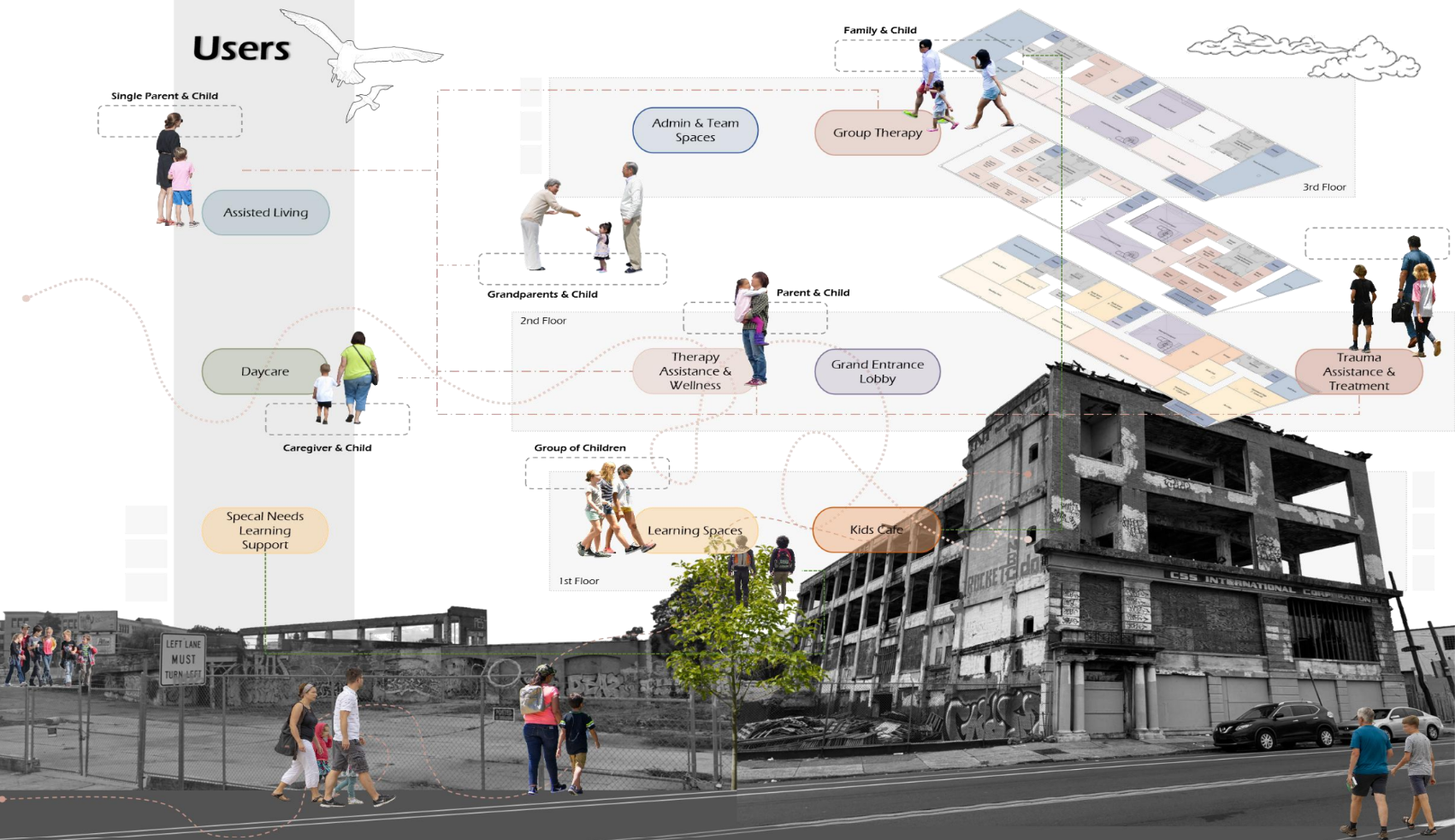
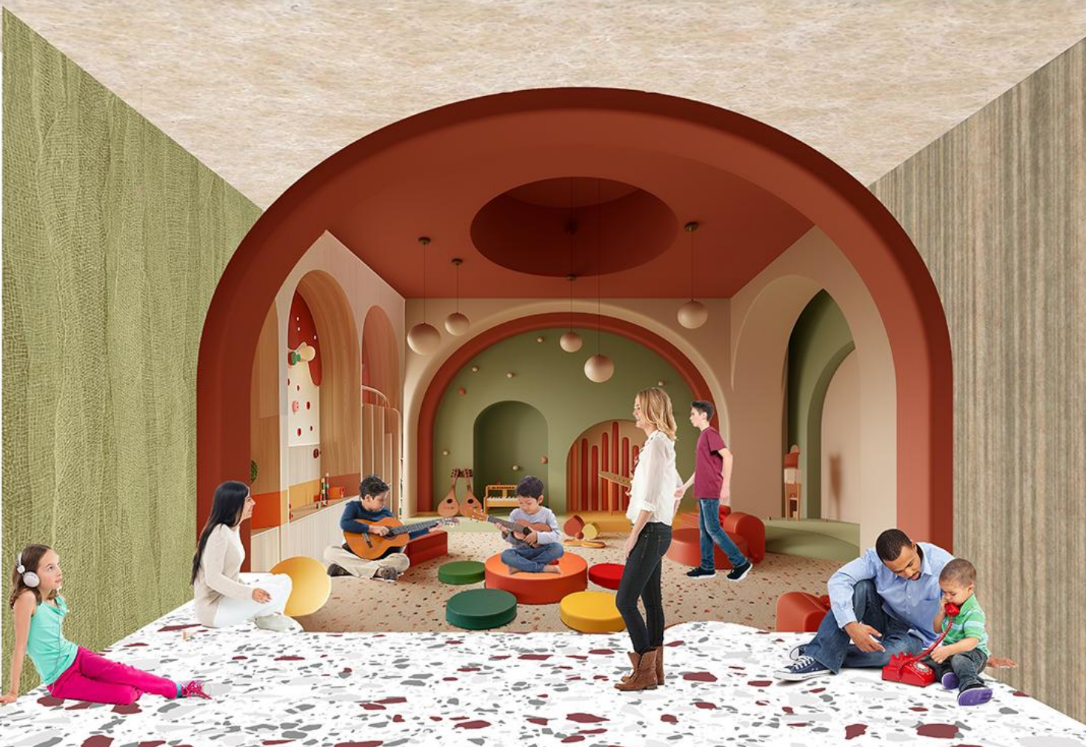
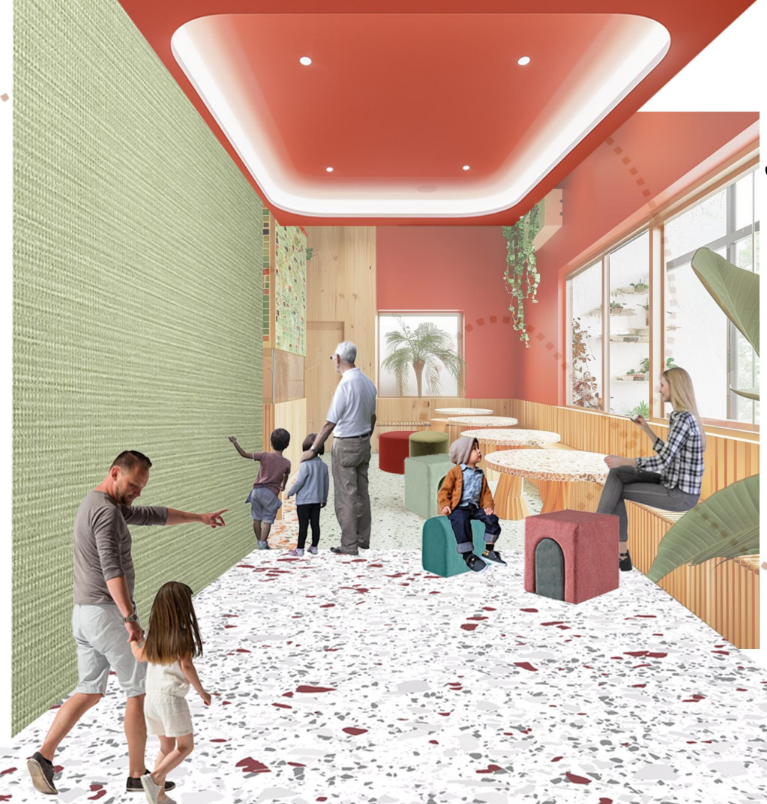
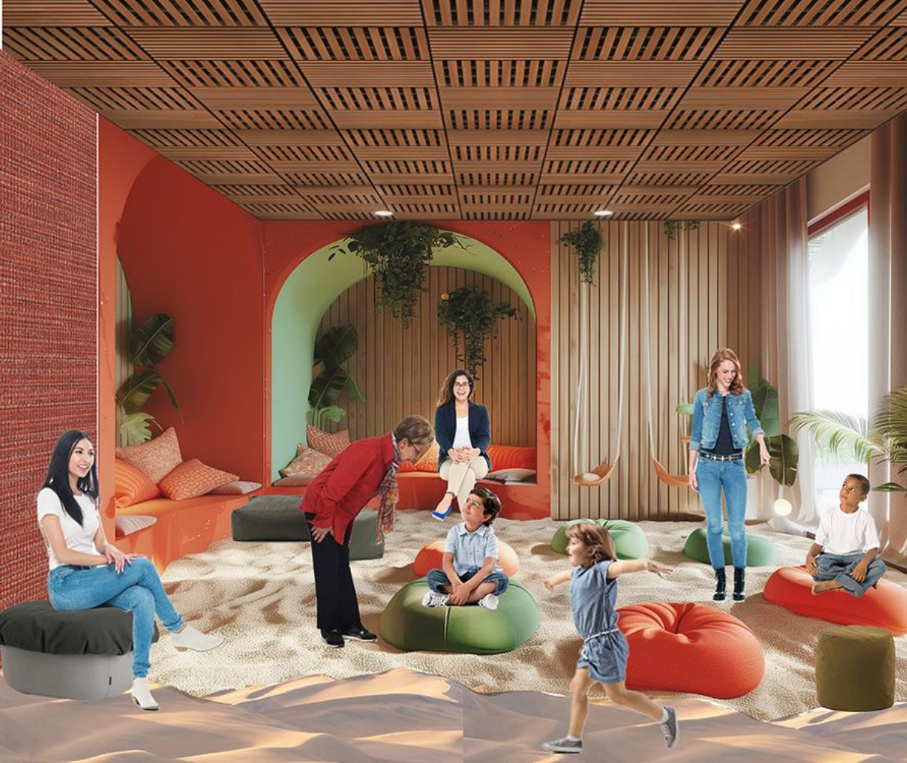
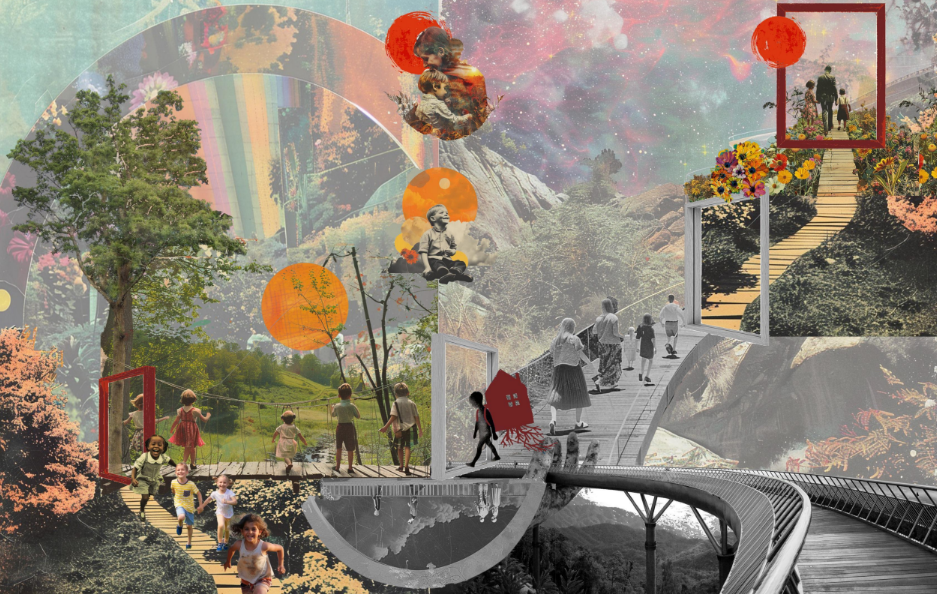
This thesis project focuses on the often-overlooked group of "Emotionally Unrecognized" children—those dealing with challenges like parental death, mental illness, parental incarceration, or high-conflict custody battles. It aims to uncover the therapeutic potential of purposefully designed spaces for children who experience trauma, emotional neglect, abuse, and adversity. The research studies the intricate relationship between built environments and human experiences. By emphasizing the transformative and healing capacities of environments, I highlight the significant role of interior architecture in supporting children's holistic development and well-being. The research focuses on creating healing, nurturing, and supportive spaces, integrating psychological and emotional dimensions into the design process.