The Spectrums of Escape: Interior Environments for Mental Escape
Judy Chen // Advisor: Sequoyah Hunter-Cuyjet
The Spectrums of Escape: Interior Environments for Mental Escape
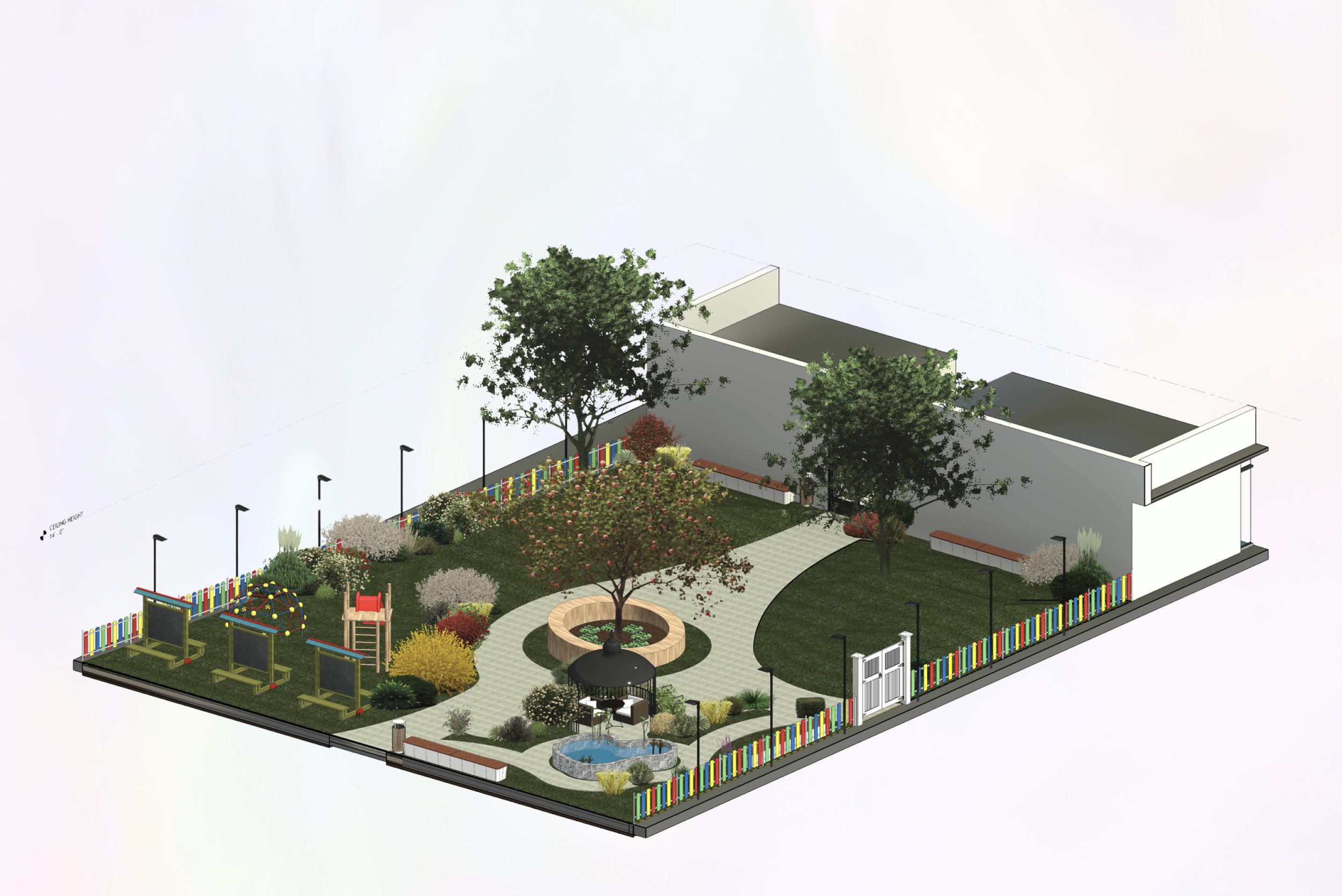
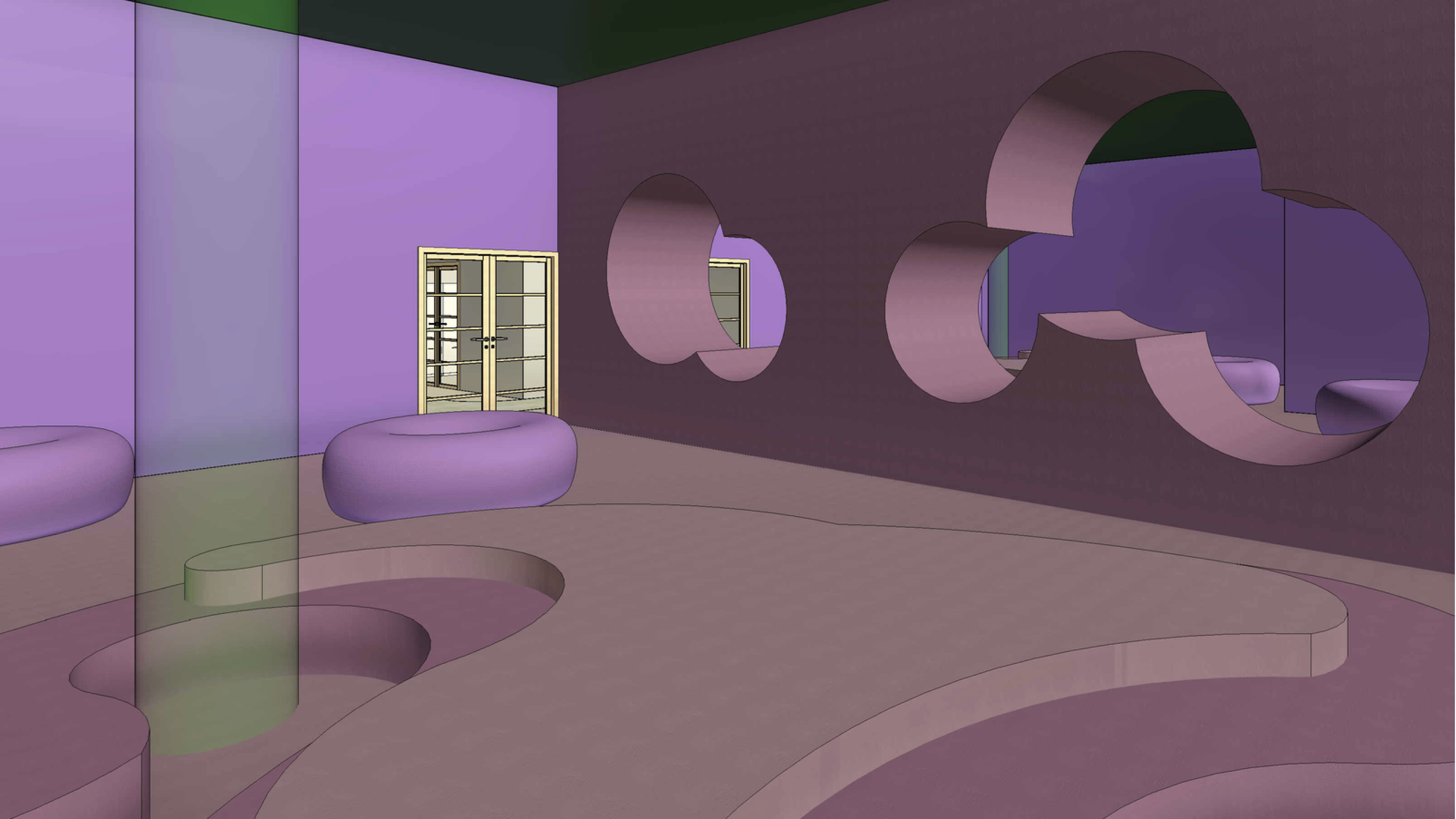
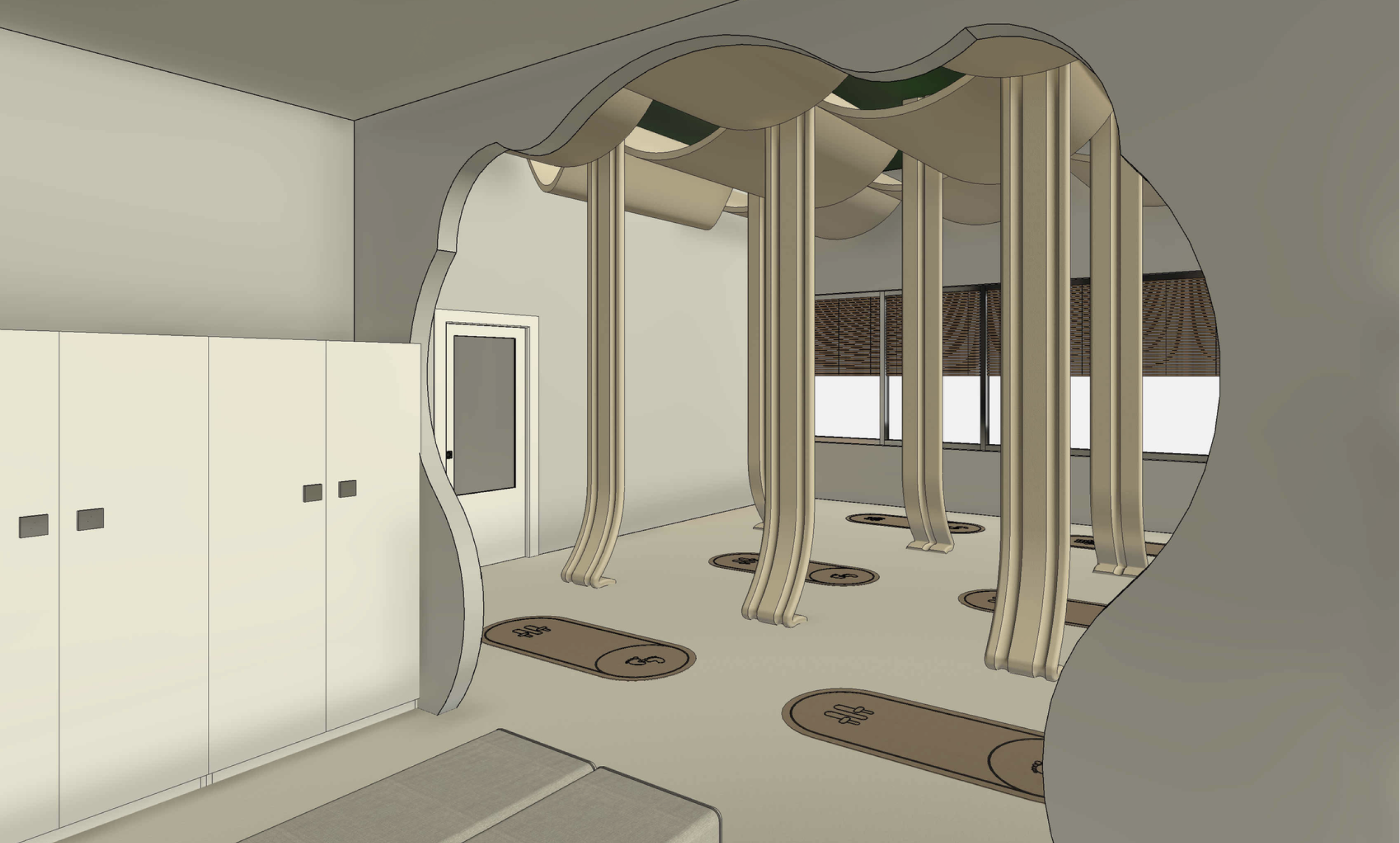
This project explores how immersive sensory environments can support emotional regulation, engagement, and restoration for youth outside of school hours. Situated within the Strawberry Mansion community and associated with William Dick Middle School, the proposed program functions as a sensory-aware third space for youth ages 10–16, offering structured yet voluntary activities before and after school.
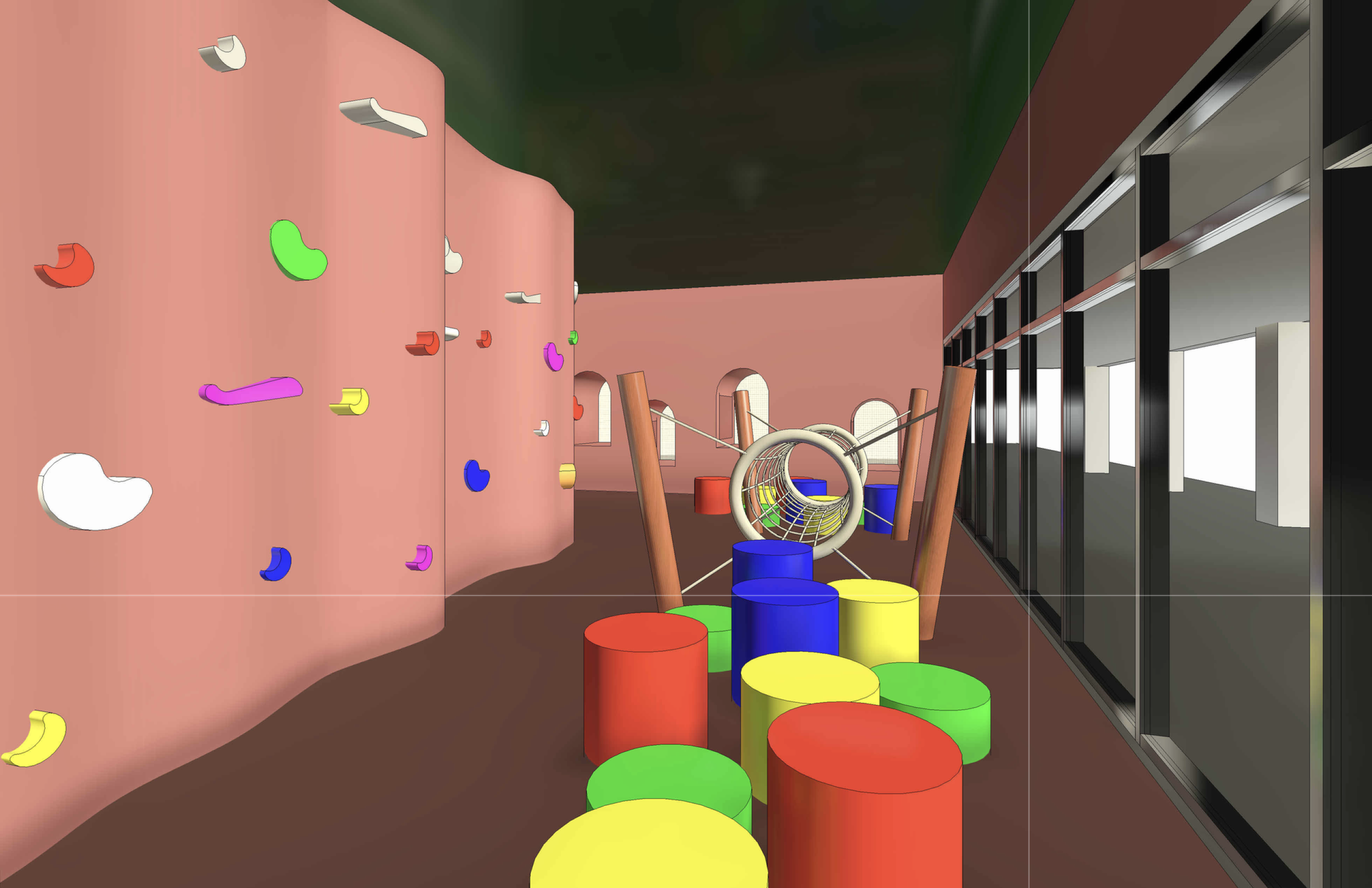
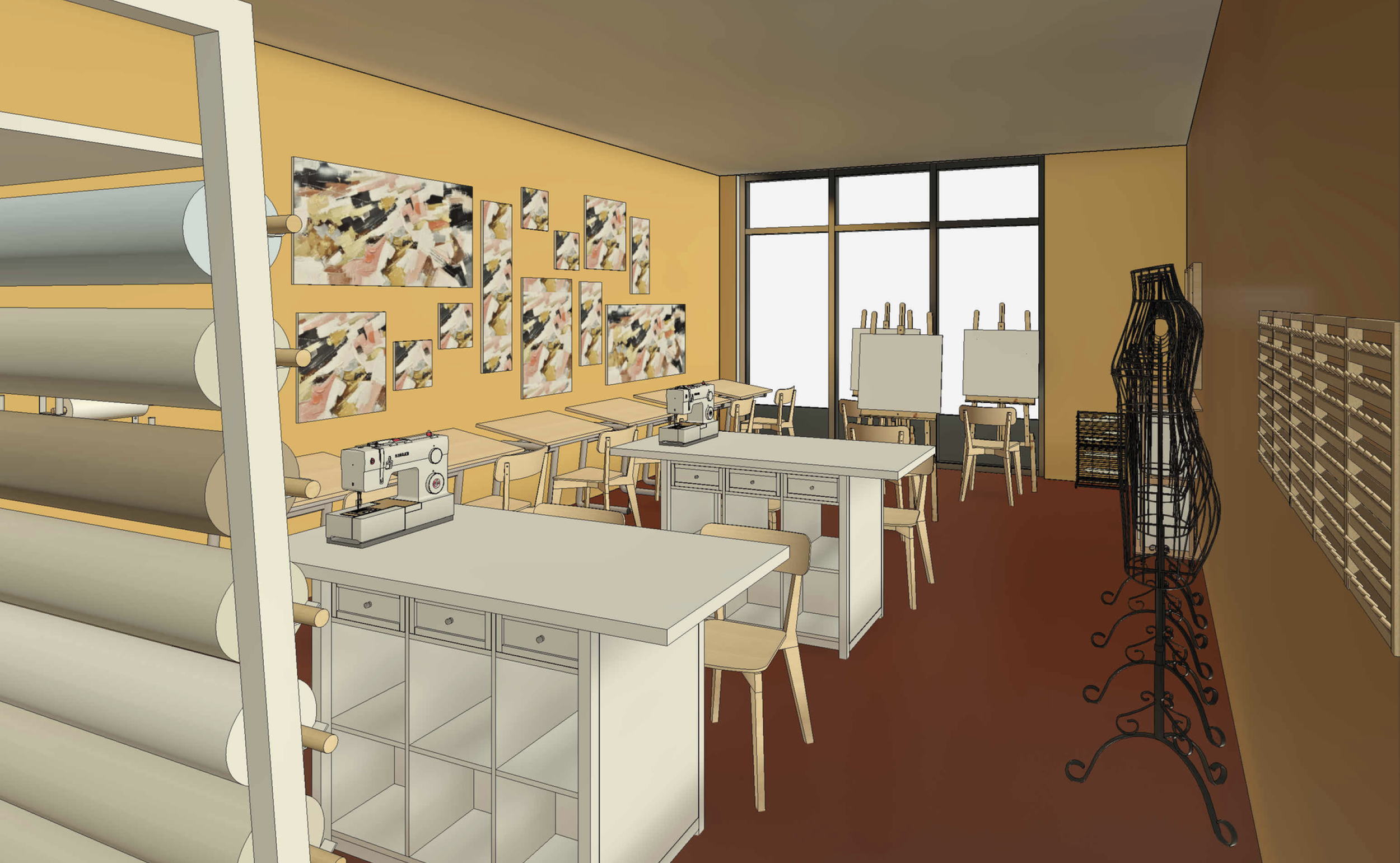
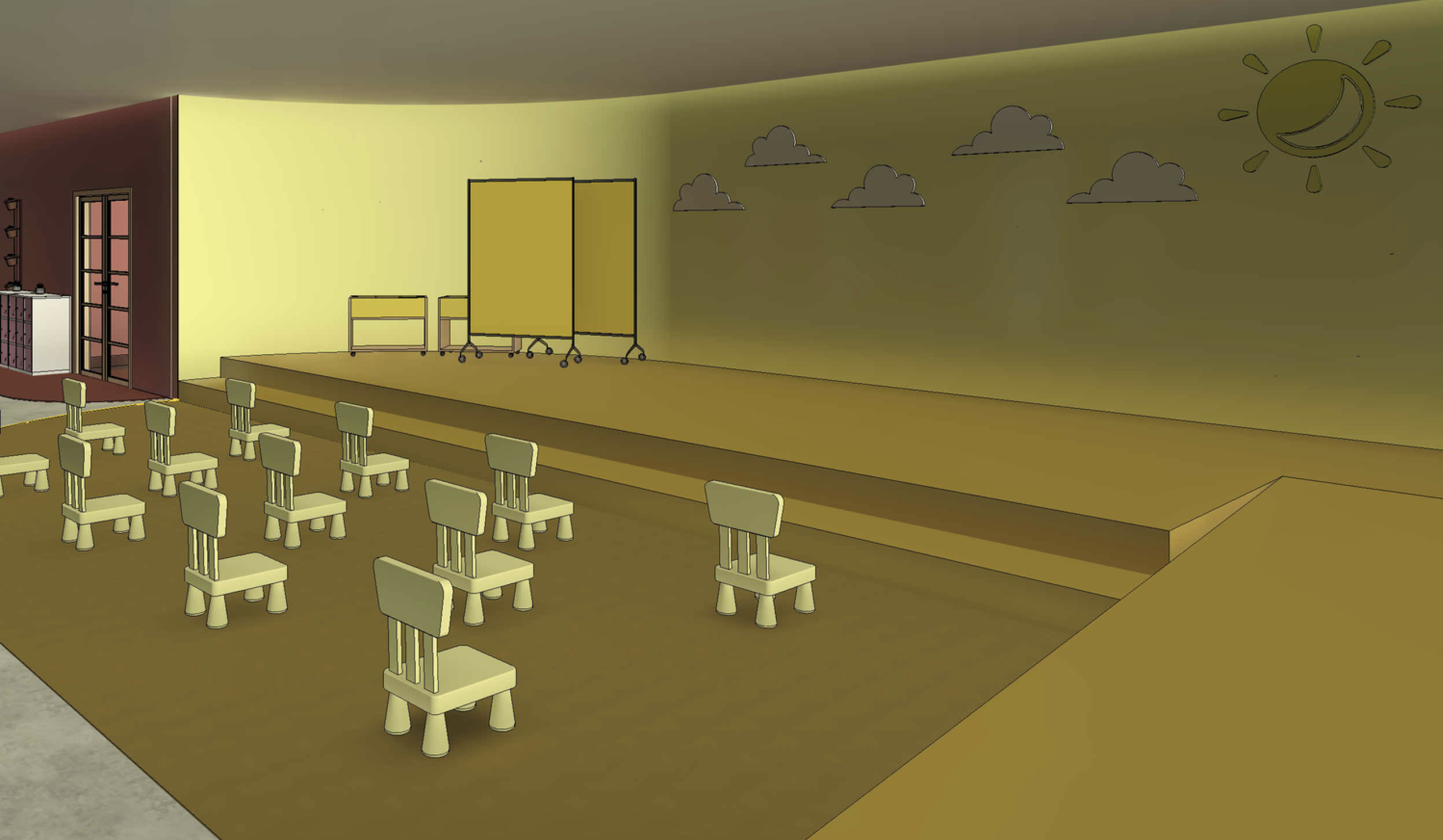
The project is organized through a chakra-inspired spatial progression, where each zone corresponds to emotional and sensory conditions such as grounding, creativity, confidence, connection, expression, awareness, and reflection. Through a series of immersive, social, exploratory, and restorative environments, students move through varying levels of stimulation and engagement designed to redirect stress into curiosity, interaction, and emotional release. Ultimately, the project proposes immersive environments as preventative spaces of emotional support, belonging, and positive redirection for youth.