Seen & Unseen: Designing for Invisible Cognitive Disabilities
Sharon Chen // Advisor: Krista Van Wassen
Seen & Unseen: Designing for Invisible Cognitive Disabilities
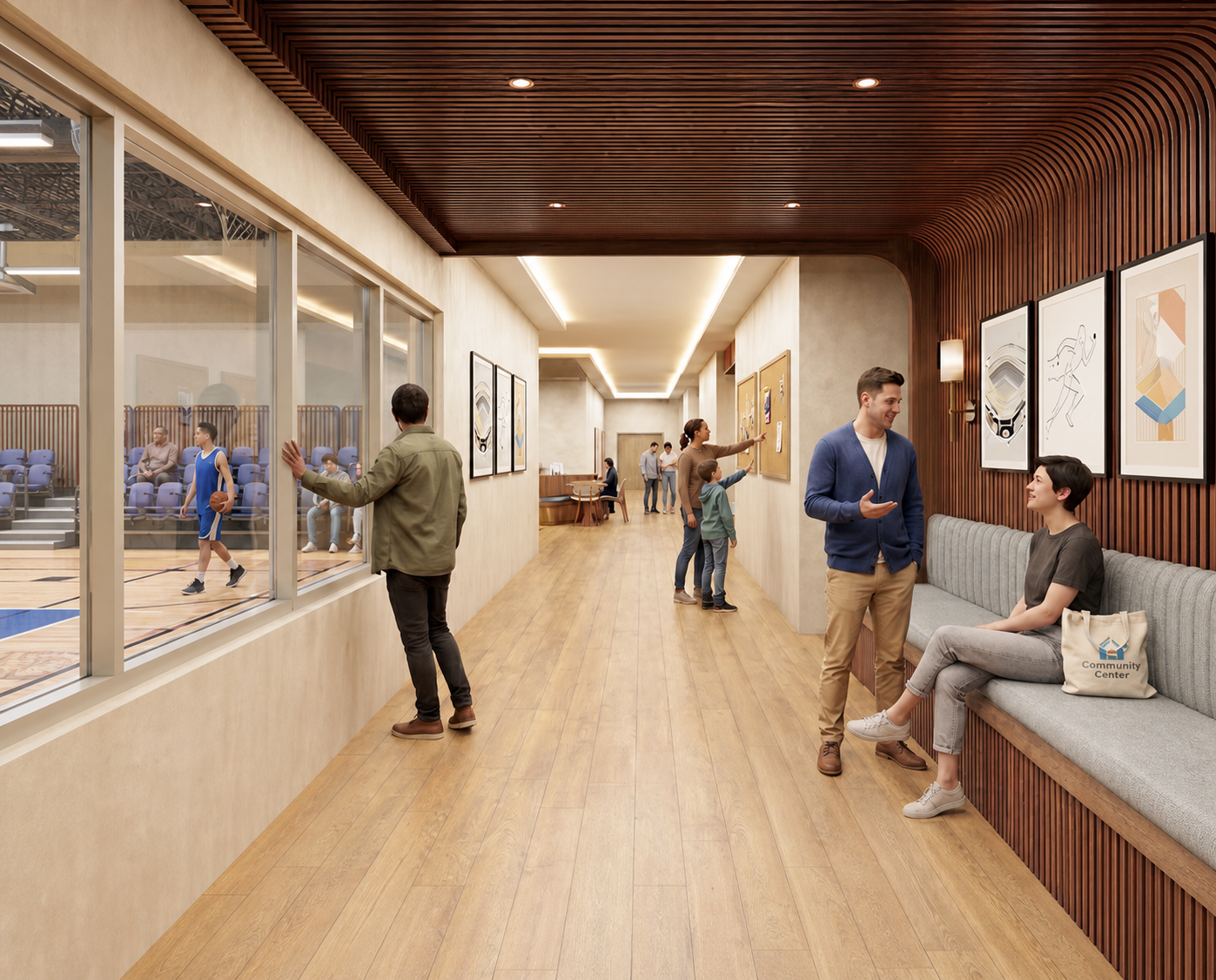
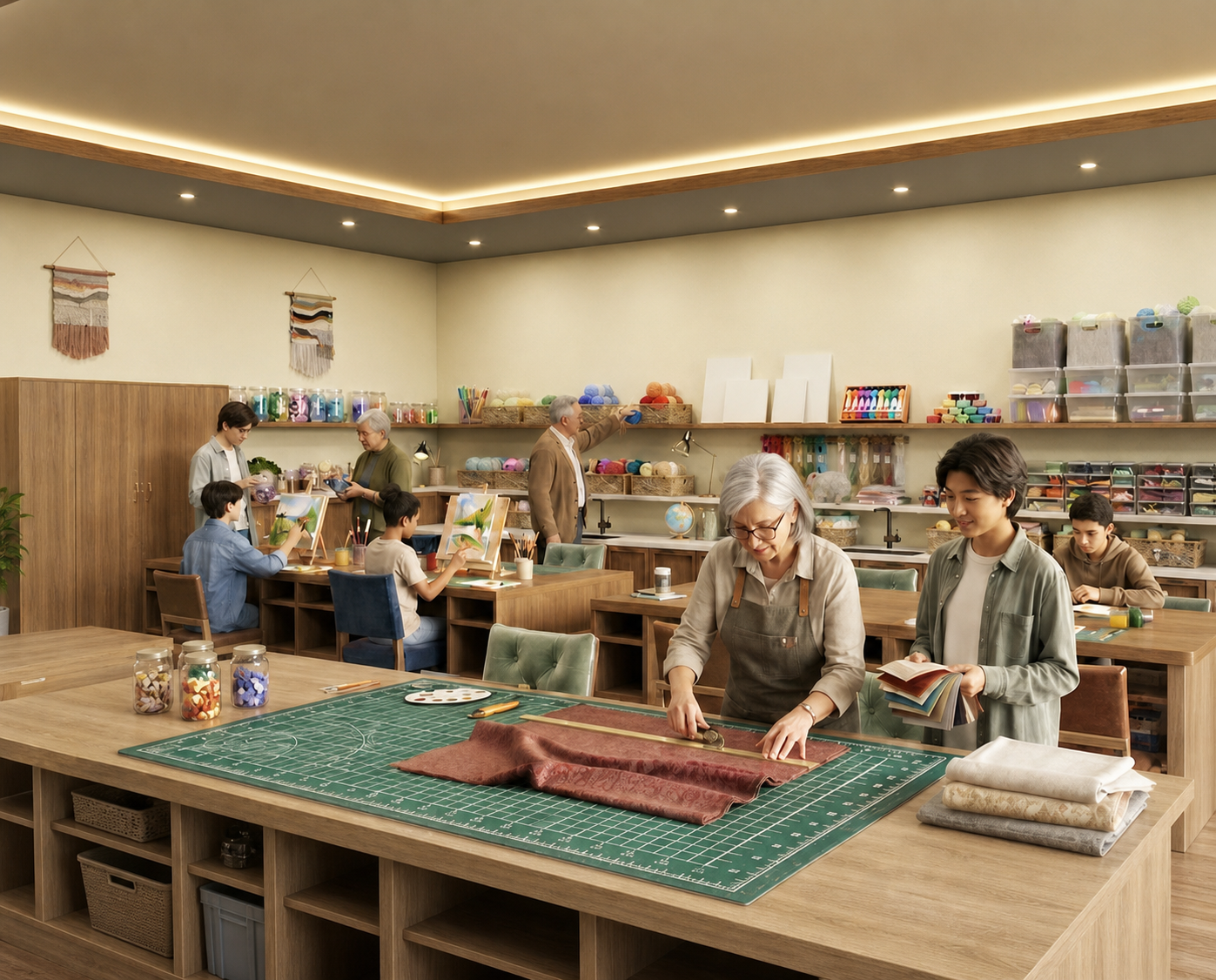
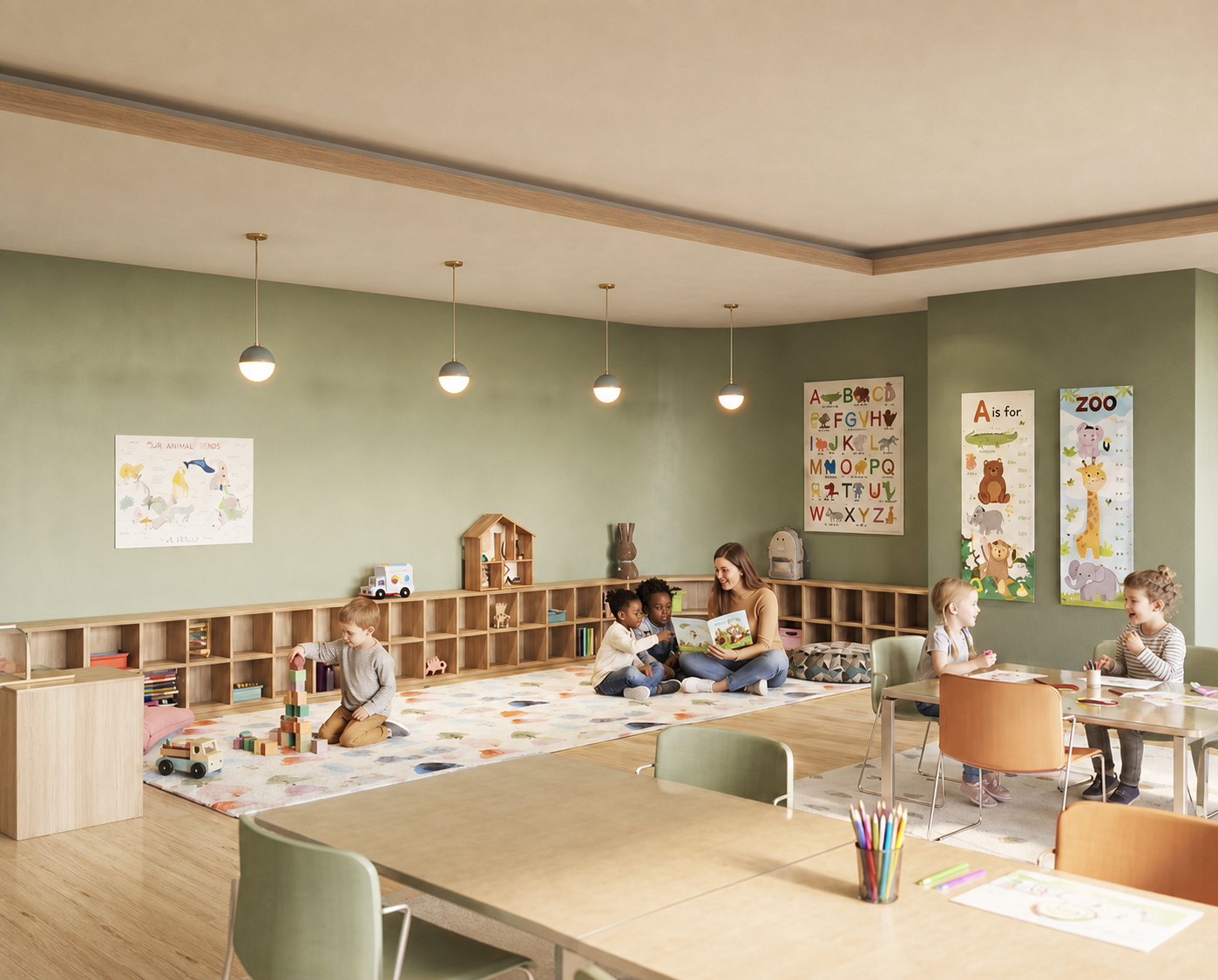
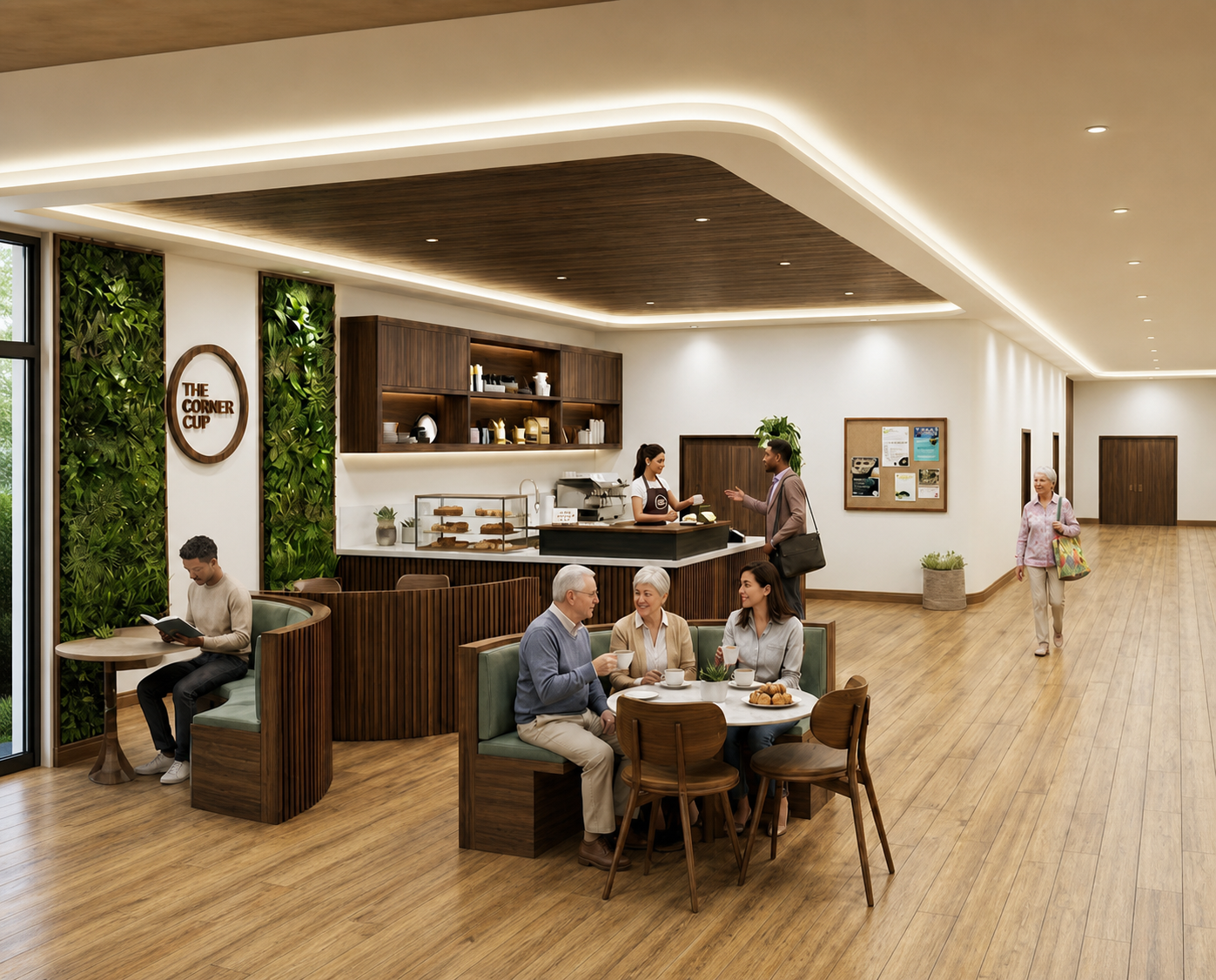
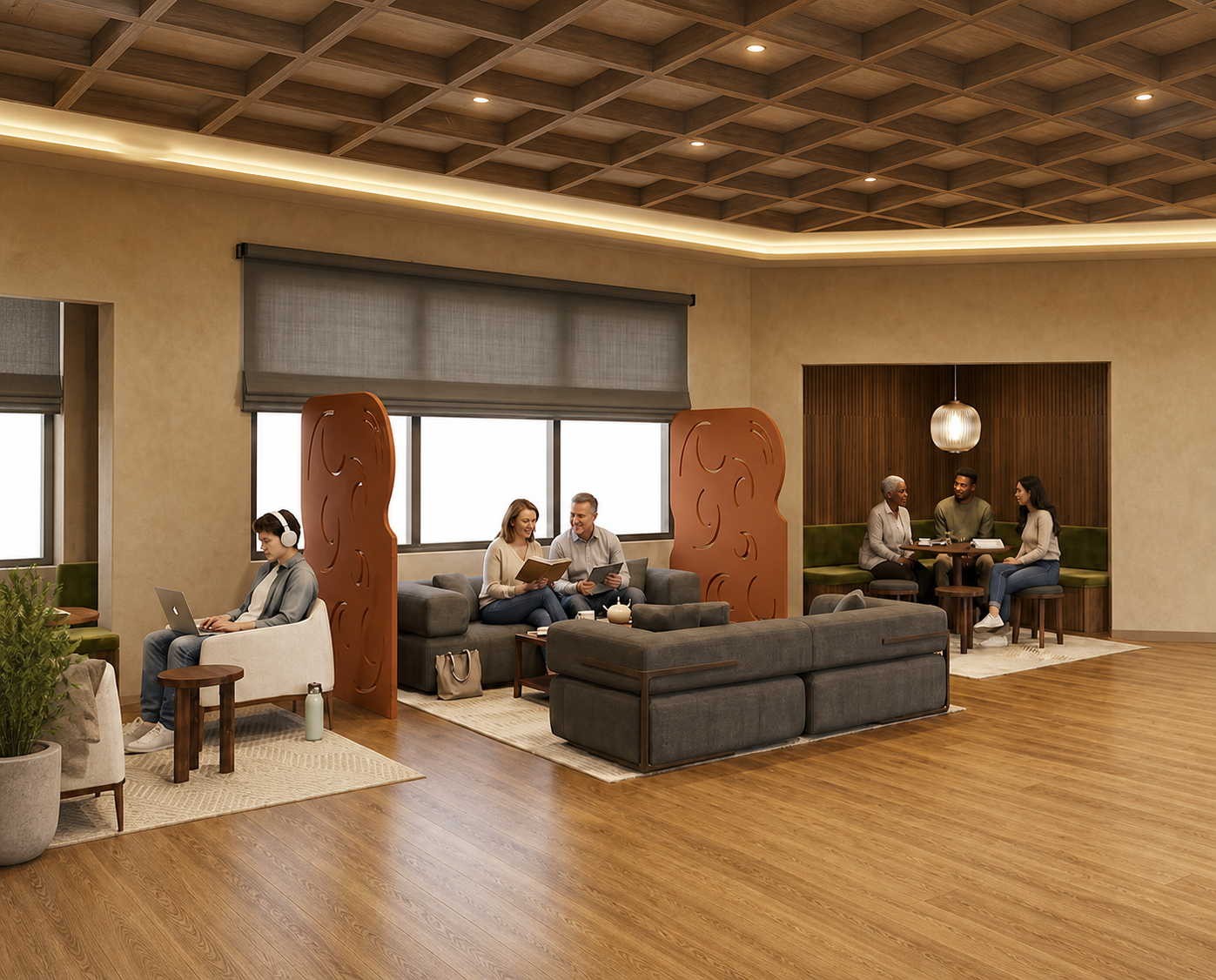
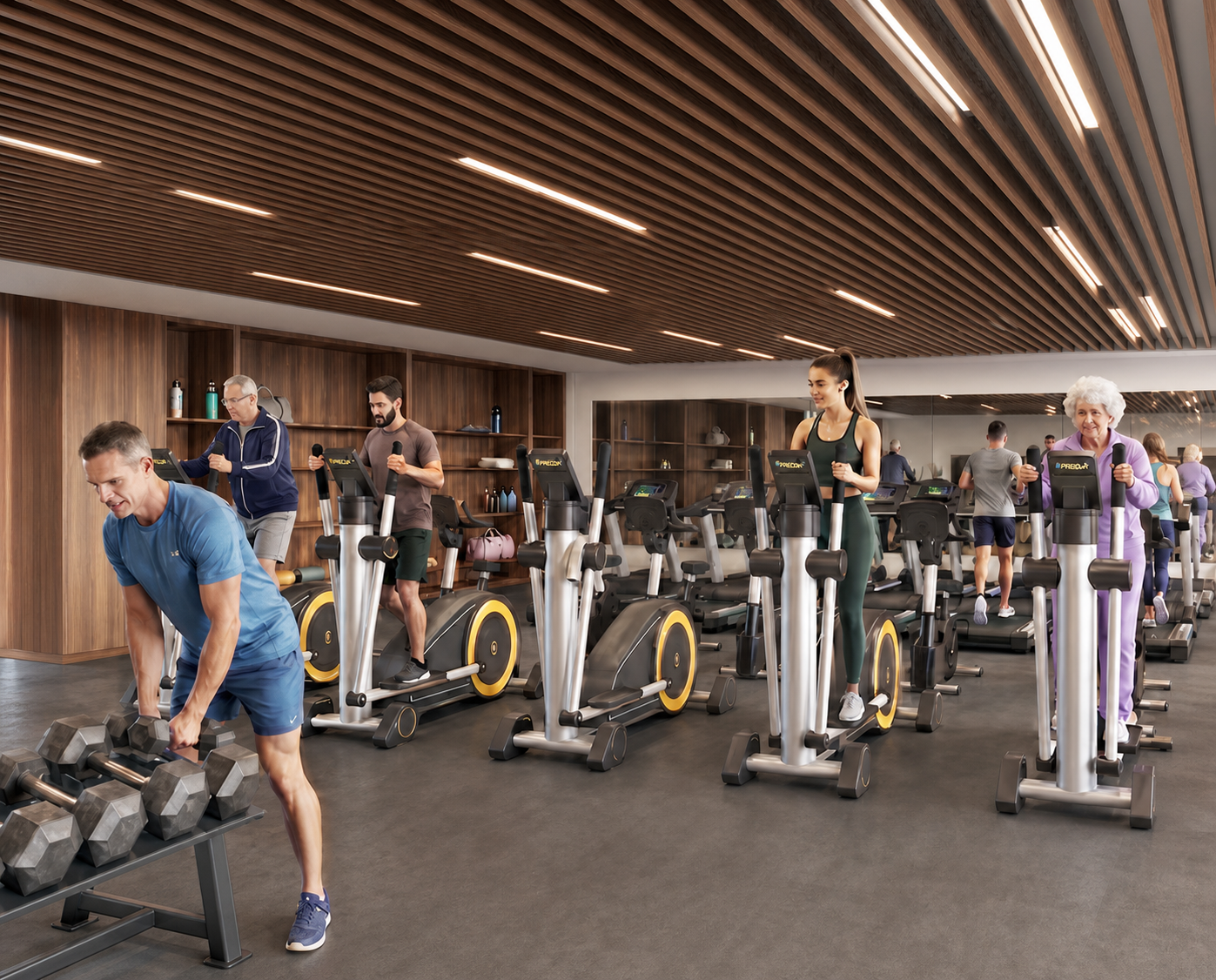
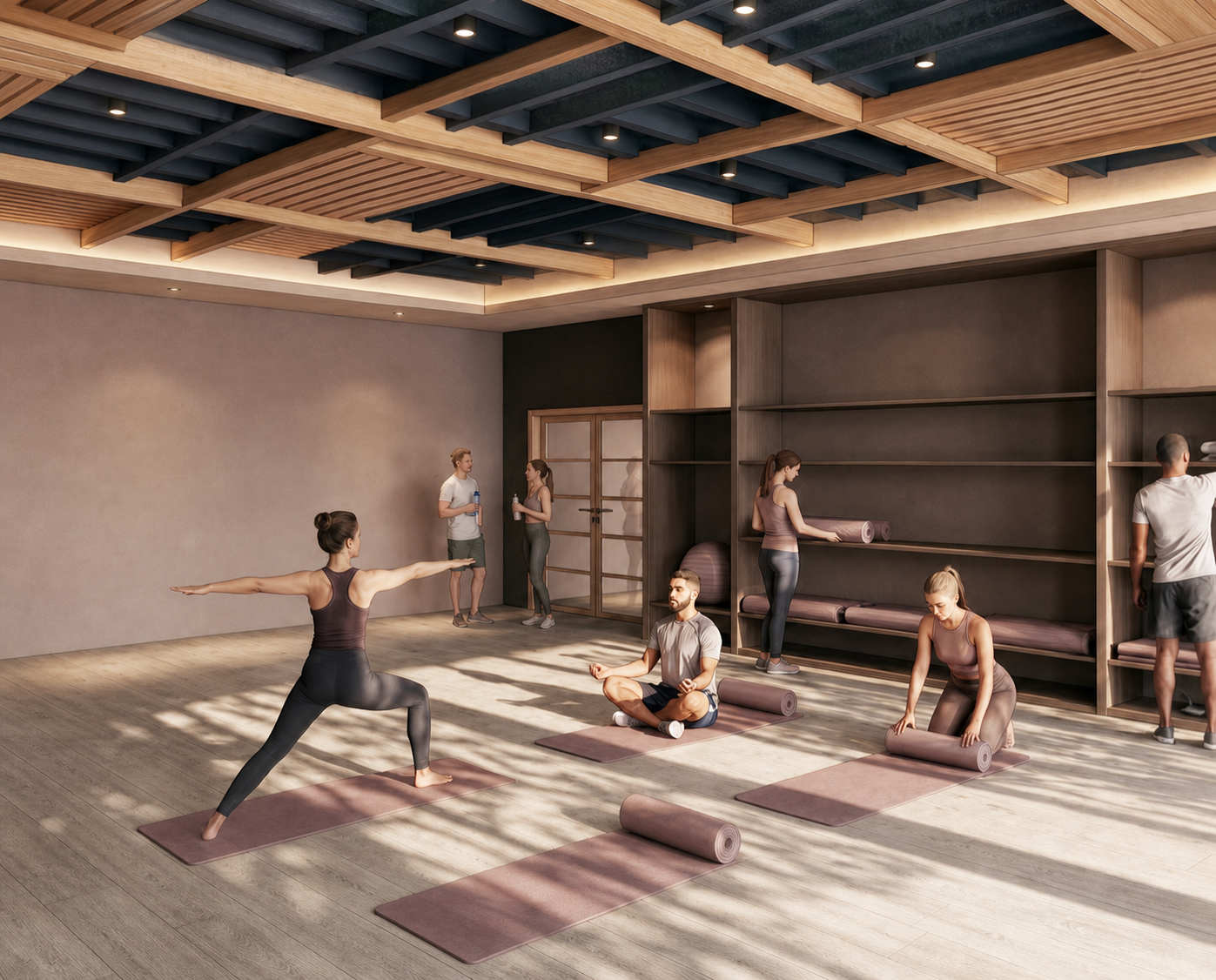
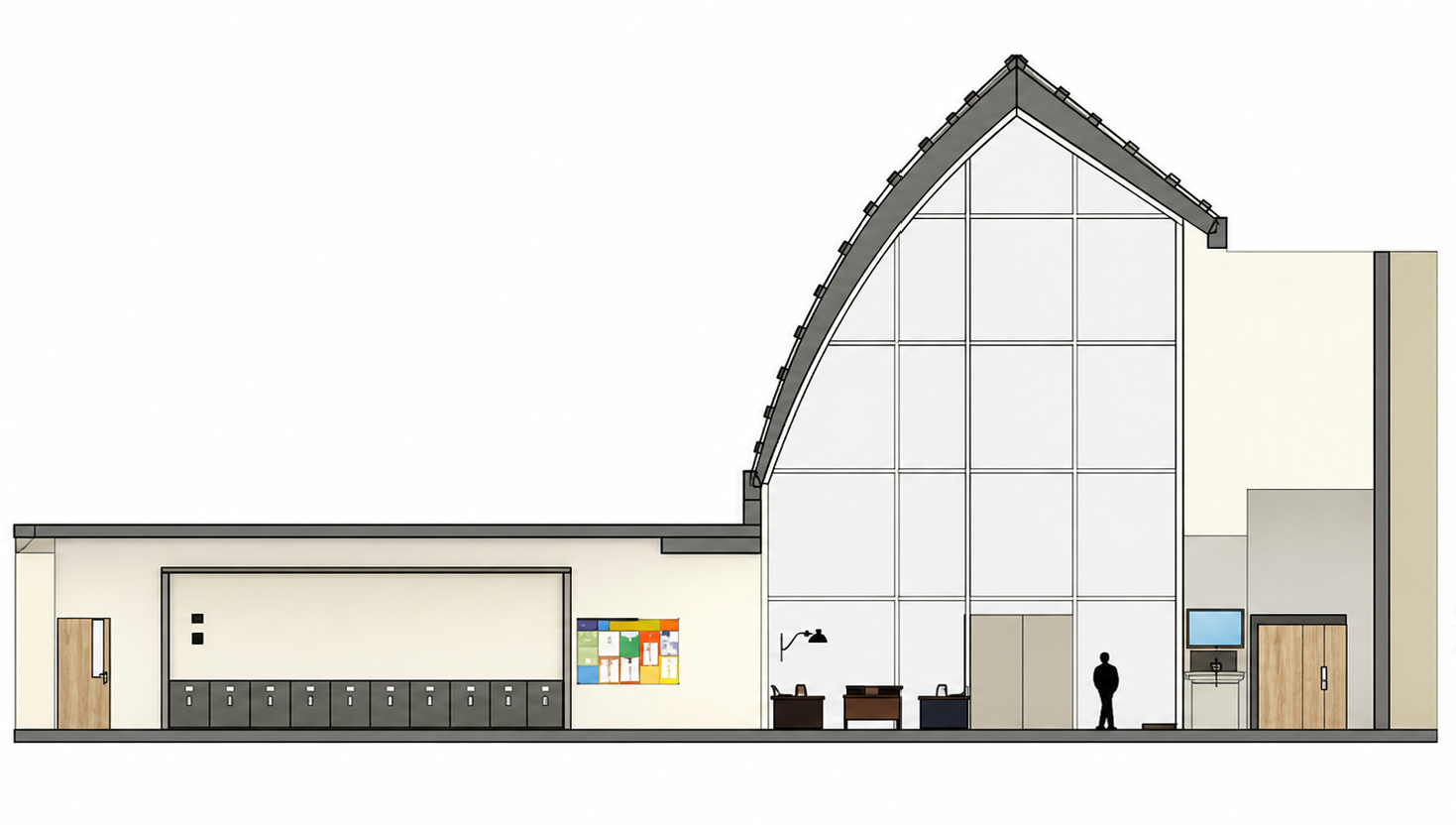
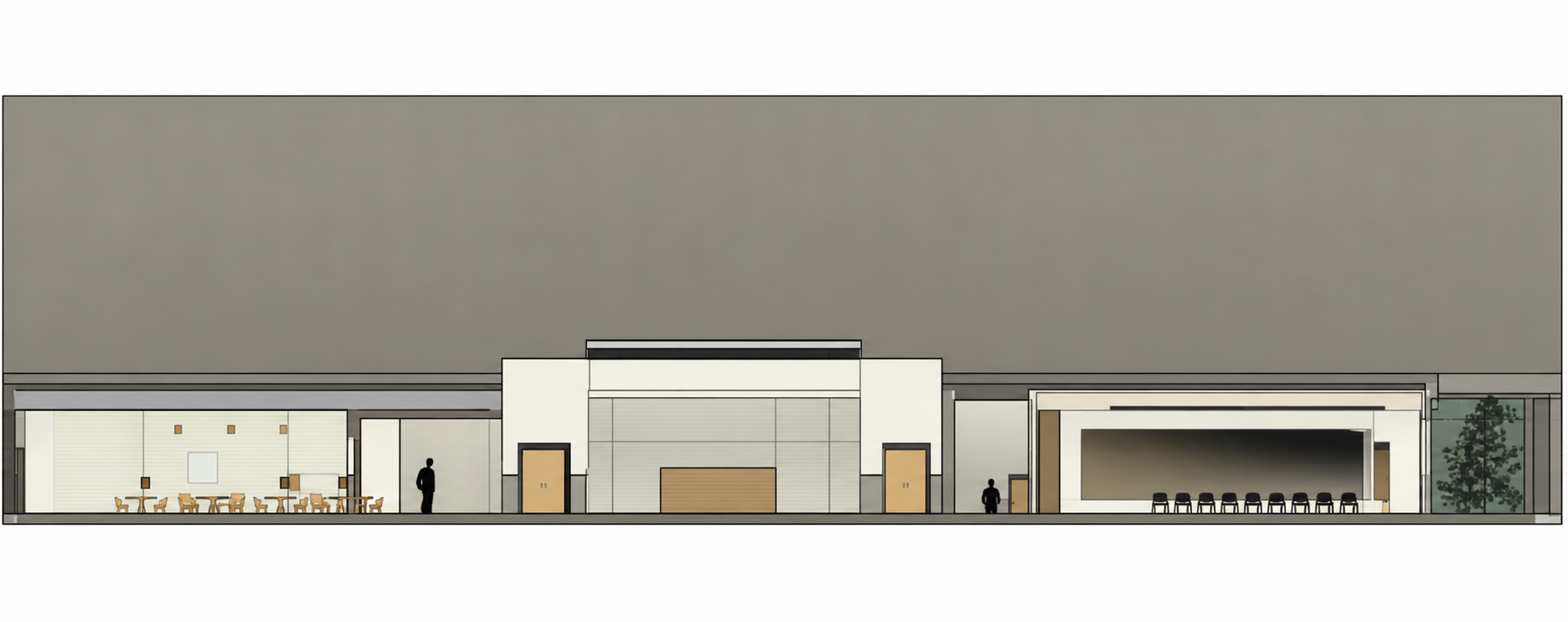
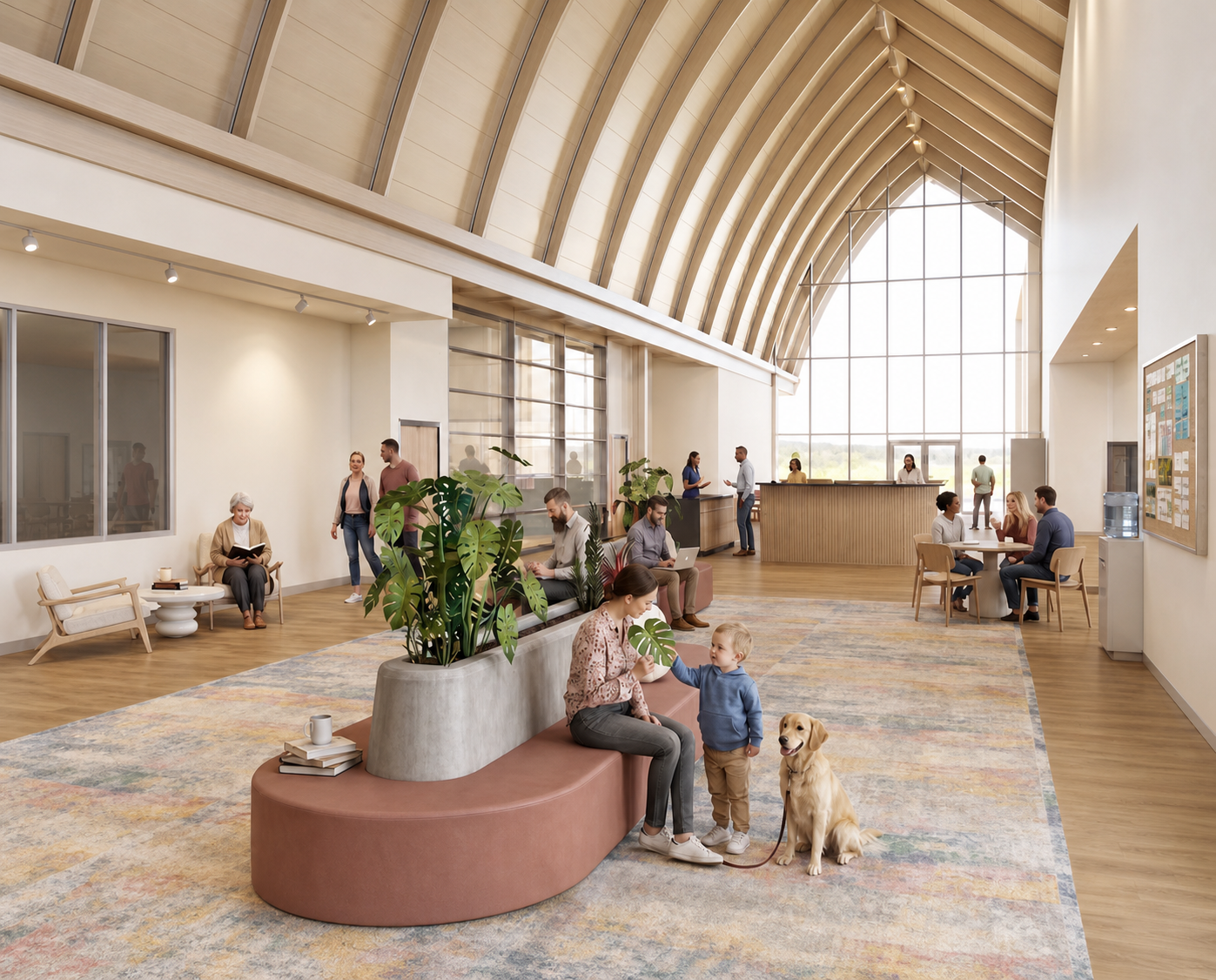
While universal design has made significant progress in improving accessibility for physical disabilities, a major gap remains in addressing non-apparent cognitive and sensory disabilities—conditions that are often invisible but profoundly influence how individuals perceive and navigate built environments. Many contemporary interiors continue to prioritize aesthetics and visual impact over sensory comfort, creating spaces that can be overstimulating, disorienting, or emotionally exhausting for neurodivergent users. My thesis explores how existing community-centered environments can become more inclusive through the integration of biophilic design and sensory-sensitive strategies. By incorporating natural materials, controlled lighting, acoustic balance, and spatial legibility, the project proposes evidence-based interventions that support sensory regulation, emotional well-being, and user autonomy. Ultimately, this research reframes interior environments not as purely functional settings, but as restorative spaces that foster comfort, belonging, and accessibility for neurodiverse individuals.