
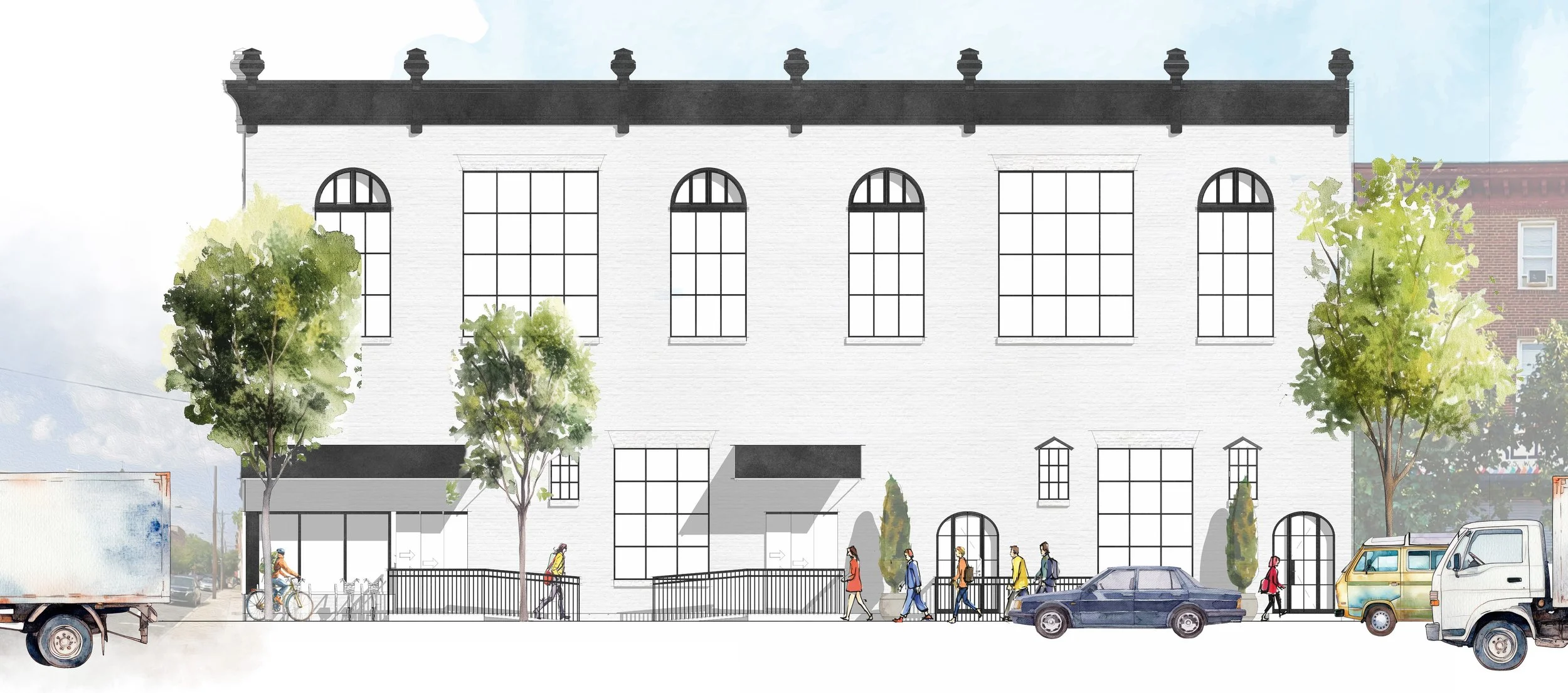
The Reauthored Home: Placemaking, Home, and Identity in a Commodified Housing Landscape
Over the last several decades, rising housing costs and persistent shortages have reshaped how people connect with the places they call home. The Reauthored Home examines how economic policy and speculative development have transformed housing from a lived environment into a market commodity, diminishing opportunities for rootedness, belonging, and personal authorship. In response, this thesis reframes home as an evolving dwelling shaped through identity, memory, and participation, asking how housing can better support adaptability, agency, and long-term attachment to place. Through historical research, site analysis, and survey data, an Adaptive Cohabitation Model is developed through incremental and participatory design strategies. A prototype intervention in Philadelphia reimagines a historic site through a “missing middle” housing approach emphasizing shared resident spaces, flexible layouts, and modification over time, positioning residents as active authors rather than passive occupants within an adaptable domestic system.
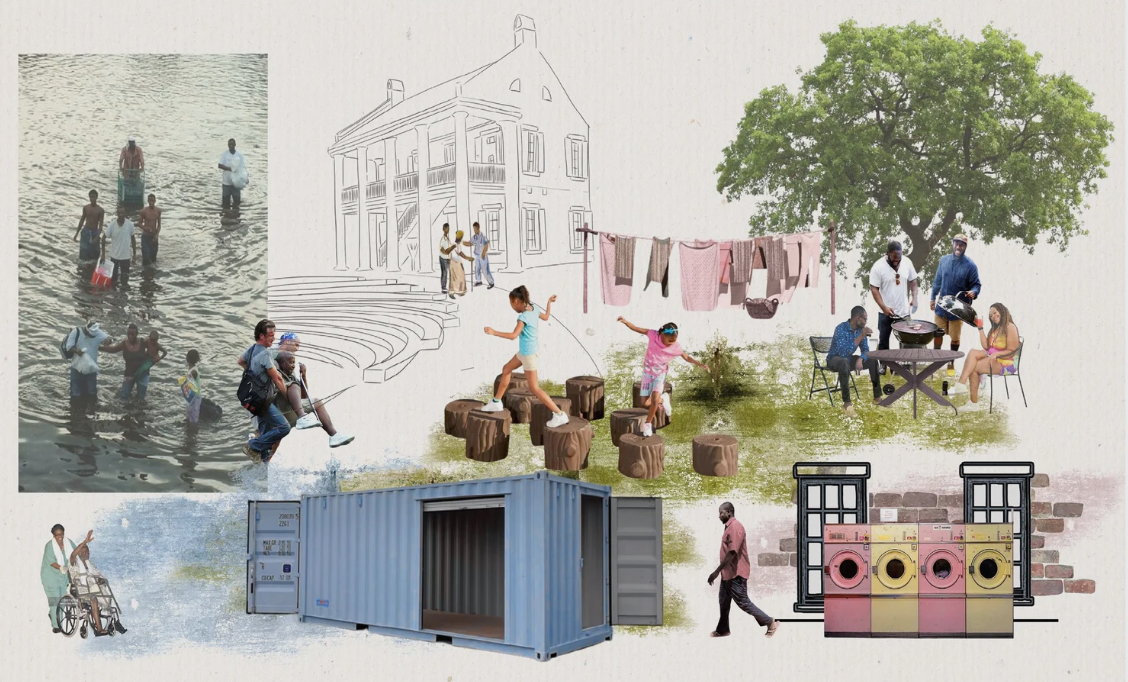
Designing with Dignity: Community-Focused Solutions for Climate Displacement
Hurricane Katrina revealed how exposed New Orleans is to disasters and made it clear that climate events often affect marginalized neighborhoods like the Lower Ninth Ward the most. As storms become more intense and sea levels continue to rise, it is crucial to build stronger, more resilient communities. This project plans to open a center at Jackson Barracks that will offer resources, improve food access, provide education, create gathering spaces, and give ongoing support. By encouraging self-sufficiency and careful planning, the project aims to help the Lower Ninth Ward community prepare for future climate challenges and preserve its identity.

Designing Healing and Inclusive Spaces for Refugees: Fostering Safety, Belonging, and Empowerment
In the face of escalating displacement, the global refugee population has surged from 117.3 million in 2023 to 122.6 million in 2024—a startling figure underscoring the urgent need for safe and inclusive environments. Refugees, particularly children, face profound psychological and emotional challenges as they navigate loss, uncertainty, and the demands of cultural integration. This thesis explores how thoughtful design can transform temporary shelters into spaces of healing, safety, and community, especially for displaced children. My thesis envisions environments that foster belonging, empowerment, and resilience through child-centered play areas, educational spaces, communal gardens, and cultural retail zones. By integrating sustainable materials, spaces for cultural expression, and opportunities for economic engagement, the aim is to create pathways toward hope and healing. This project investigates how architecture and interior design can support displaced communities, asking: How can design cultivate a sense of home and community for those who have lost both? And can these spaces serve as catalysts for healing and empowerment amid profound adversity?

Urban Public Interiors: Creating the Spaces in Between
Public interior space is crucial to the development and support of communities. It supports civic engagement by providing spaces for connection, activity, and reflection leading to deeper belonging to and stewardship of one’s community. In public space, the transitional non-programmed spaces can create greater opportunity for a wide range of uses and interaction between diverse users. However, public space is unequally invested in. Socio-economic status, as well as race and gender have a huge impact on how public spaces are shaped. Public space should be equally accessible and supportive for all communities. I began this project considering my own experience of public spaces, and how they supported or failed to support me and my community. I am interested in how public interiors can be repurposed to support connection and activity, creating space that is approachable, inclusive, and can be community defined, supporting democracy and the fabric of our cities.