From Scenes to Scenes: Bridging social media and human connection
Valeria Ferrin // Advisor: Jeff Fama
From scenes to scenes: Bridging social media and human connection
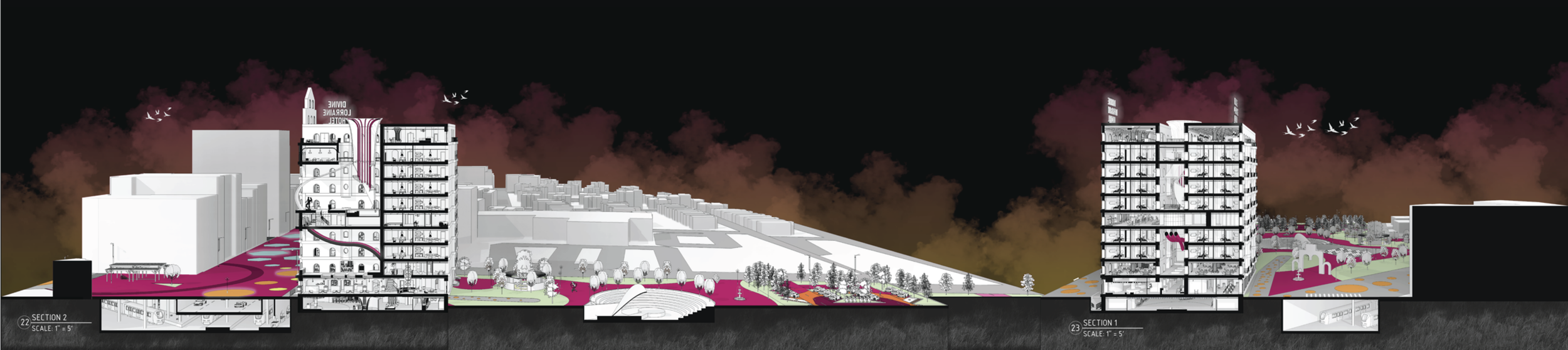
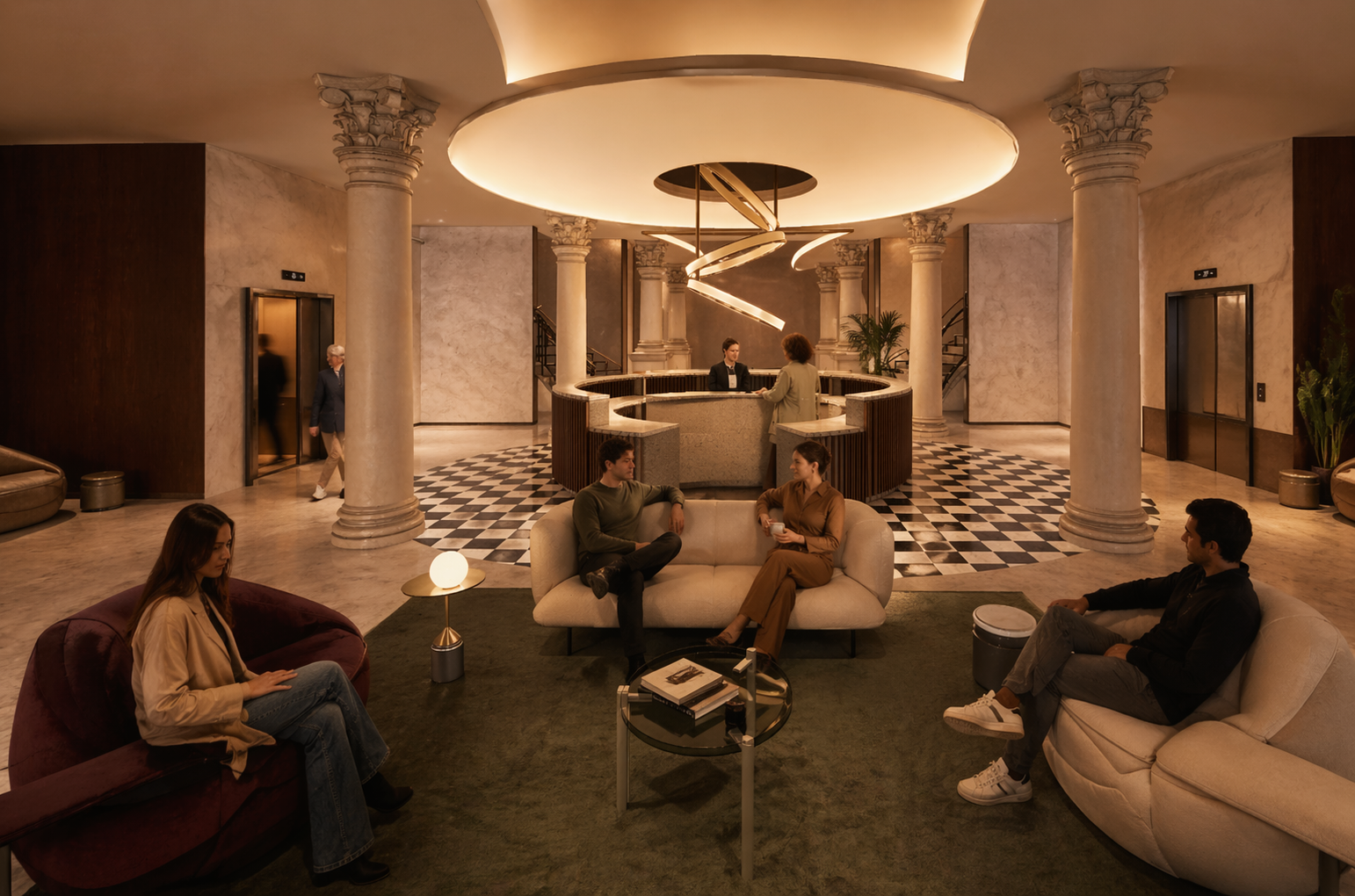
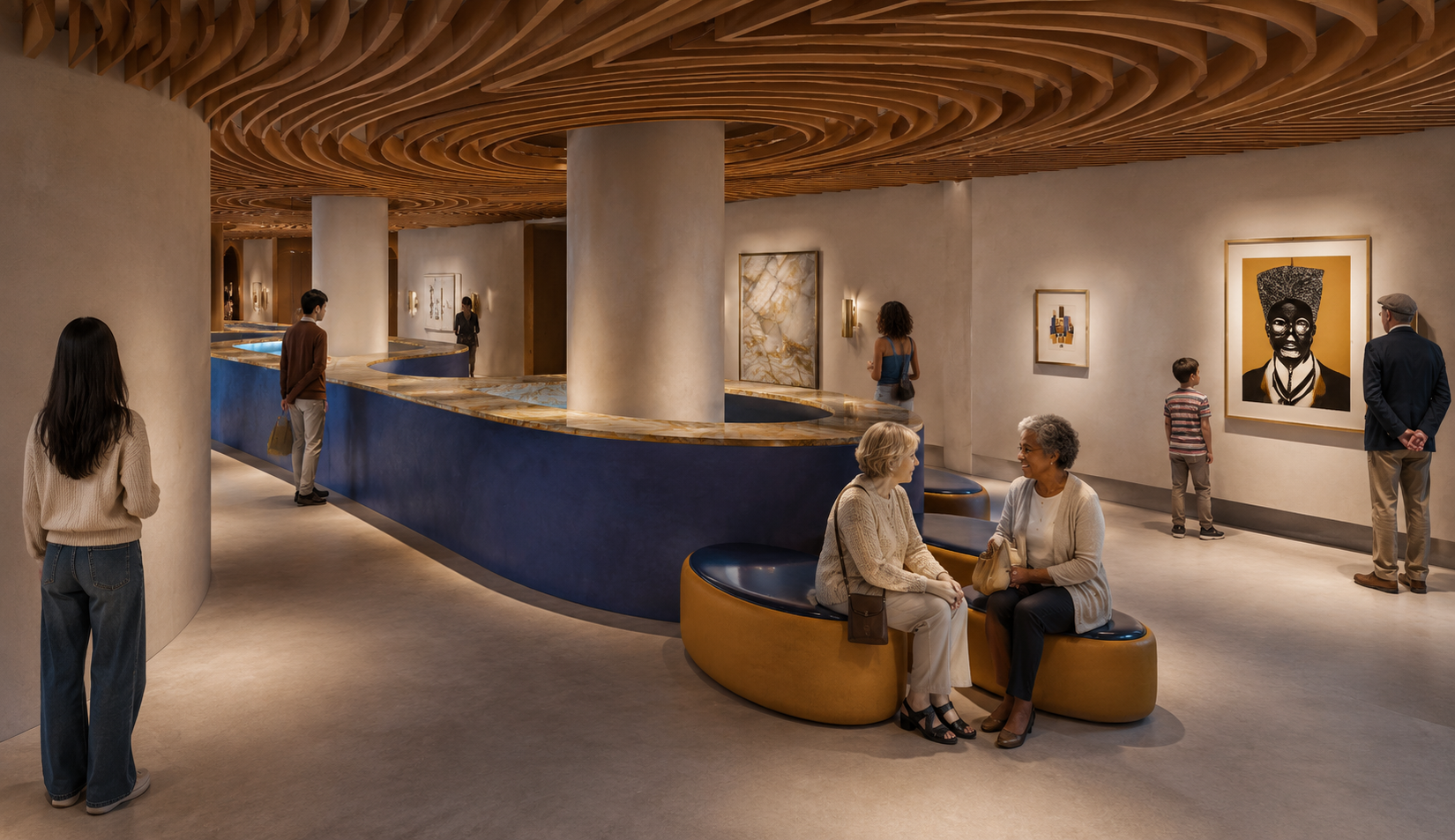
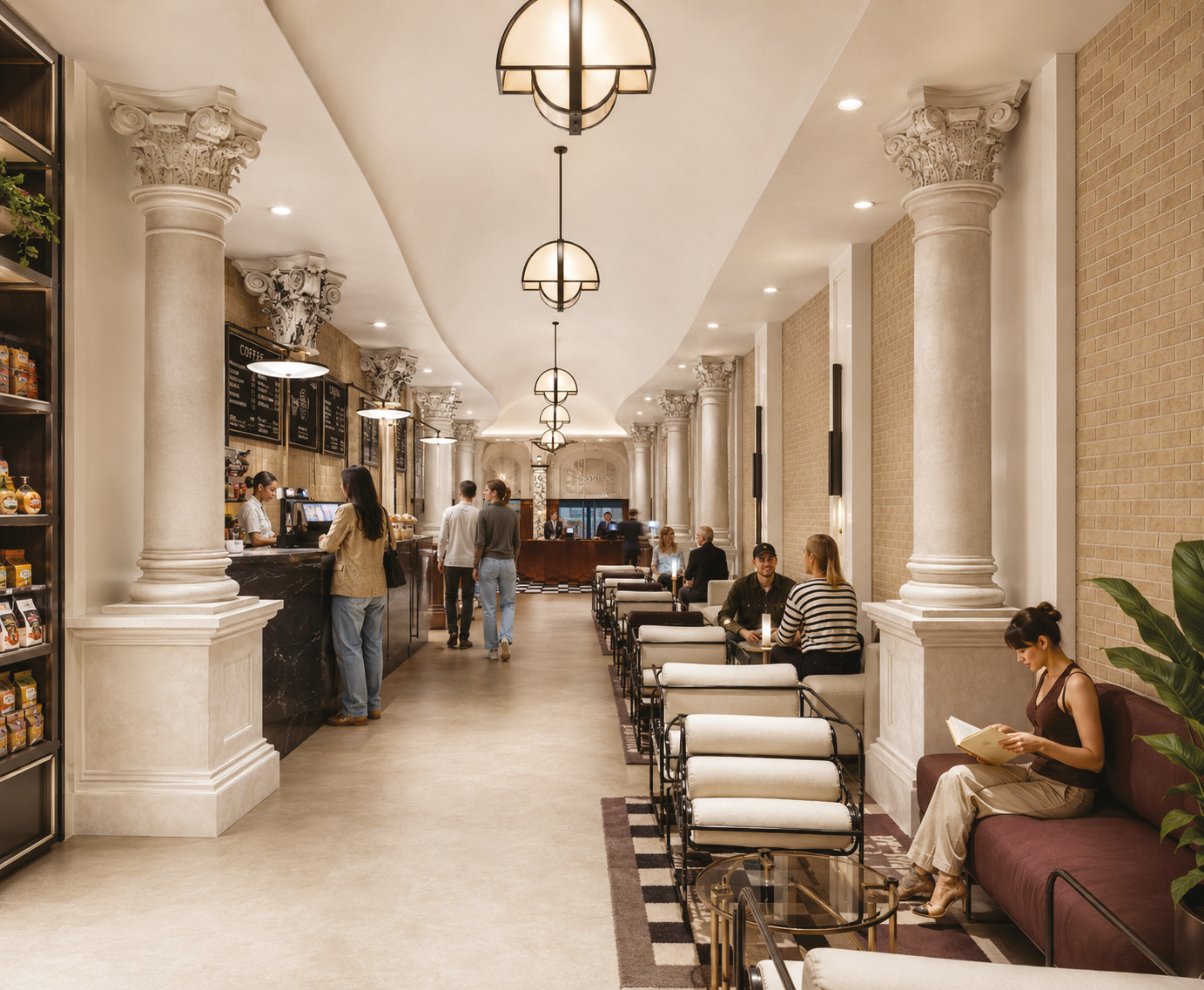
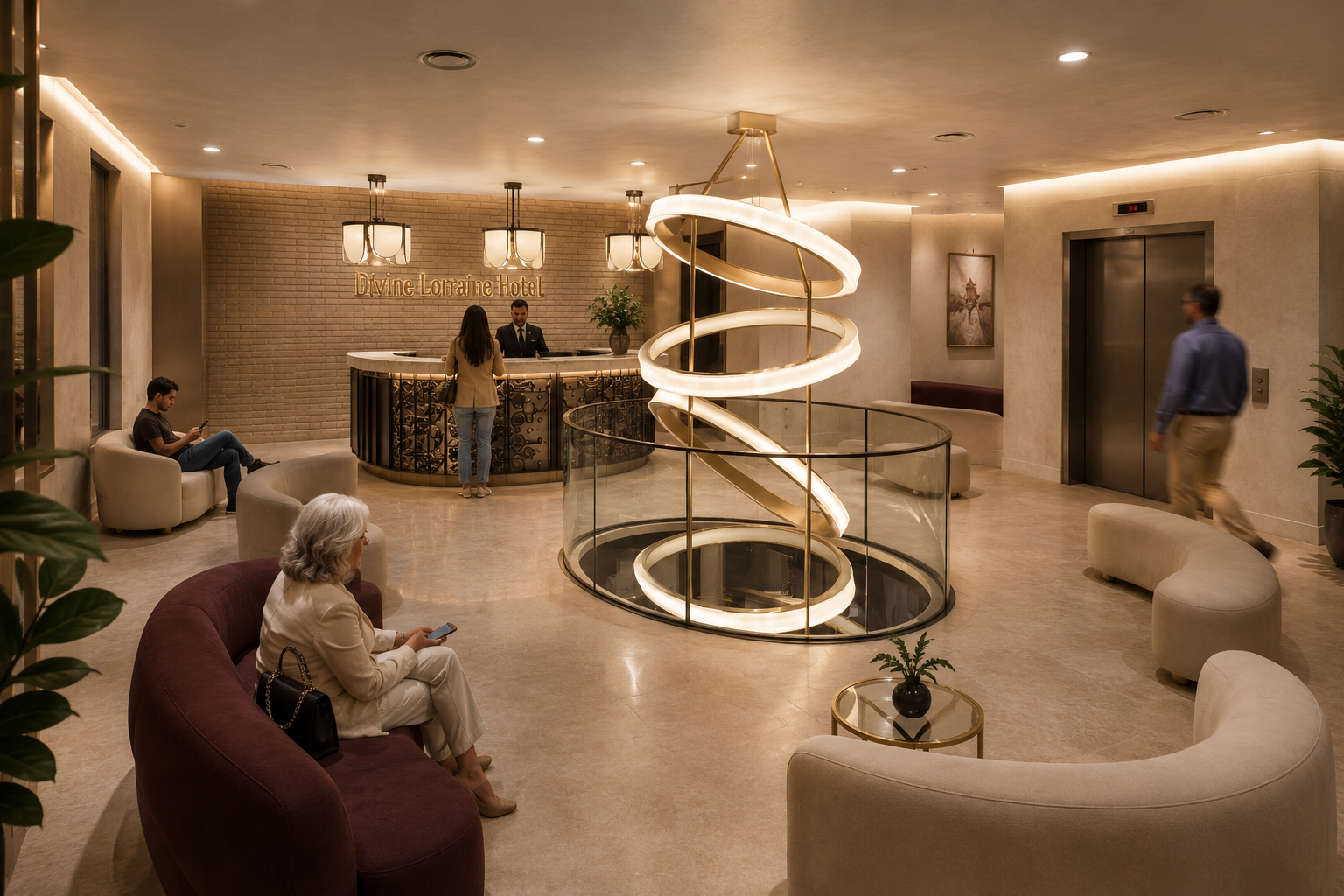
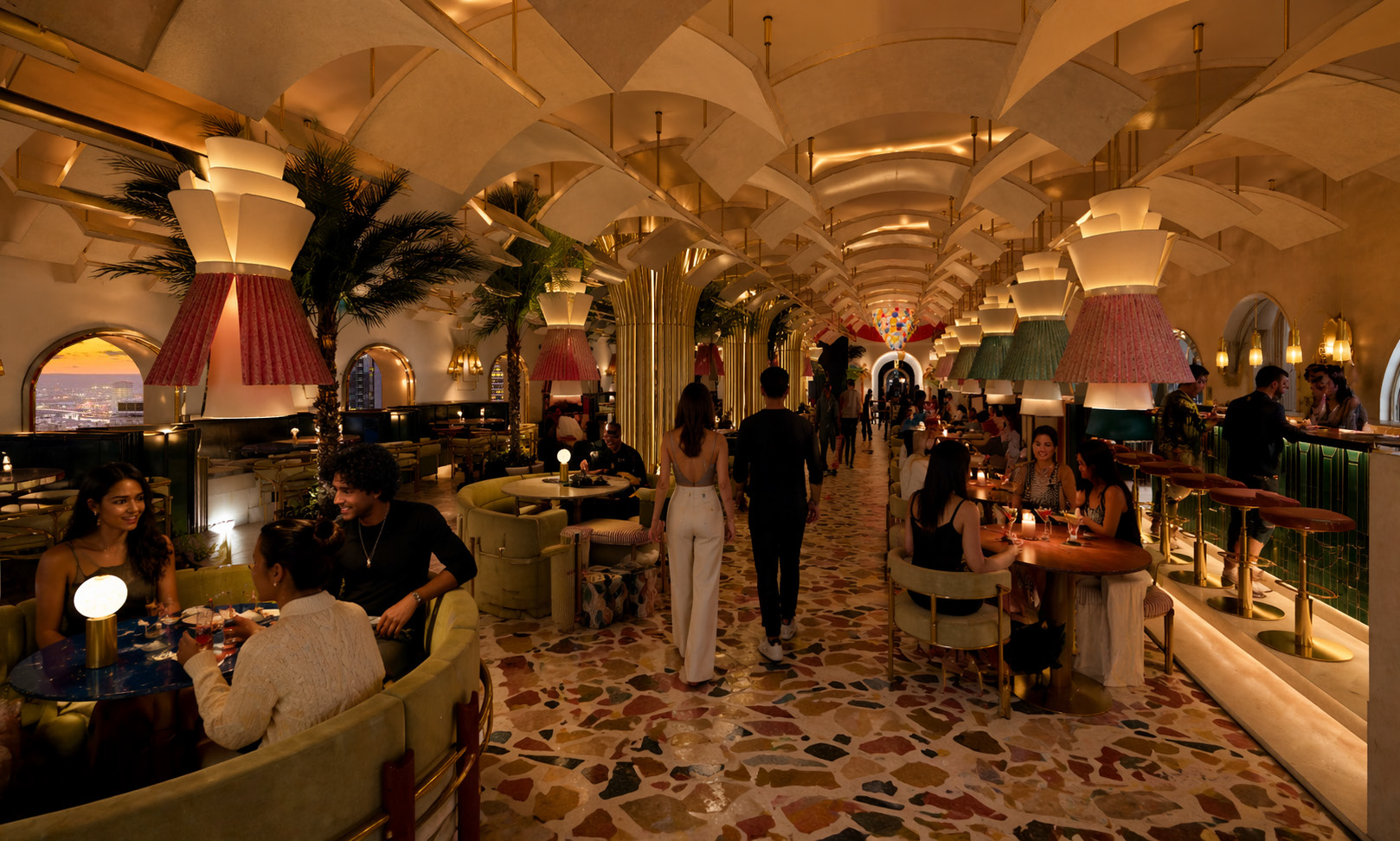
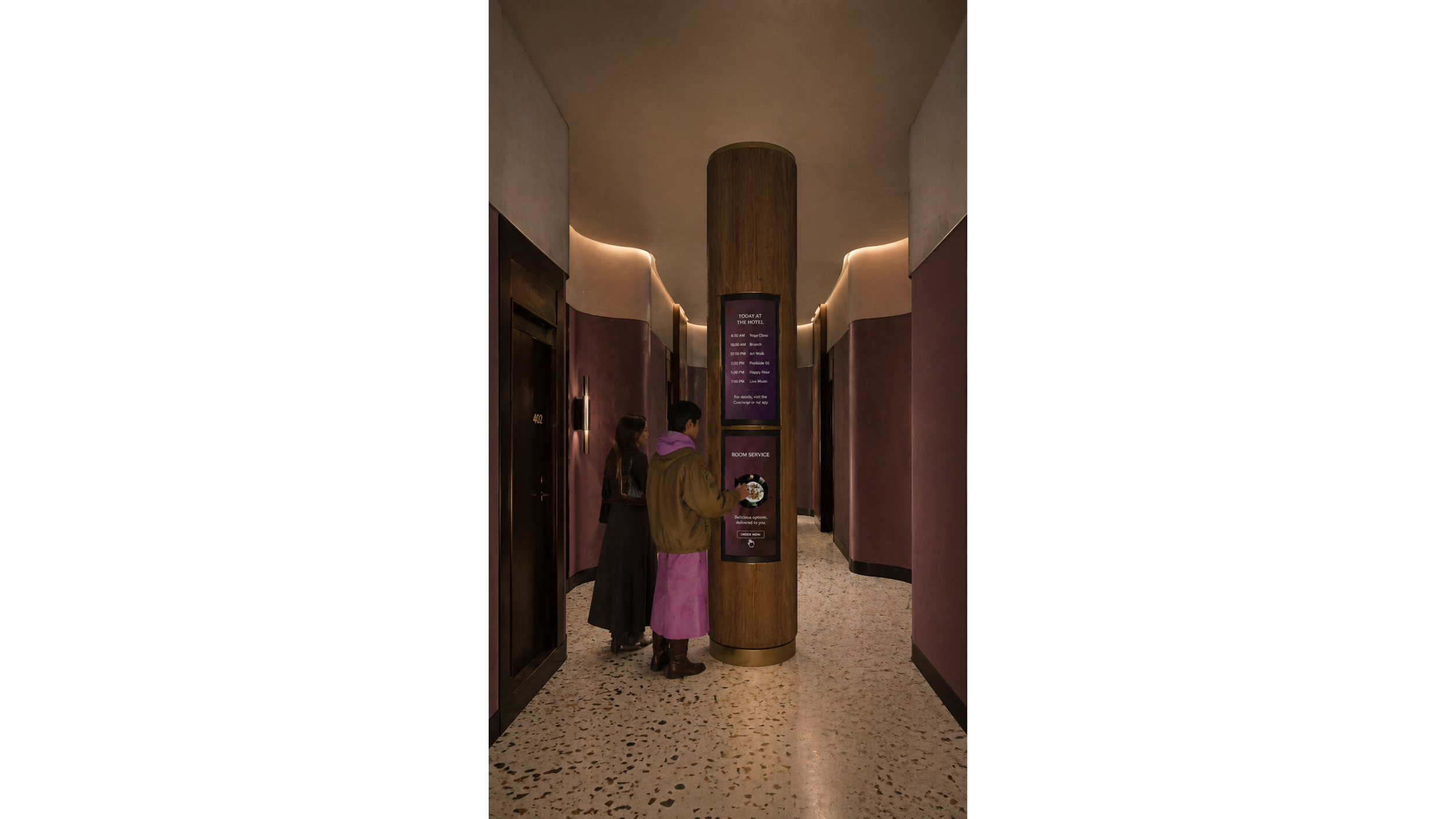
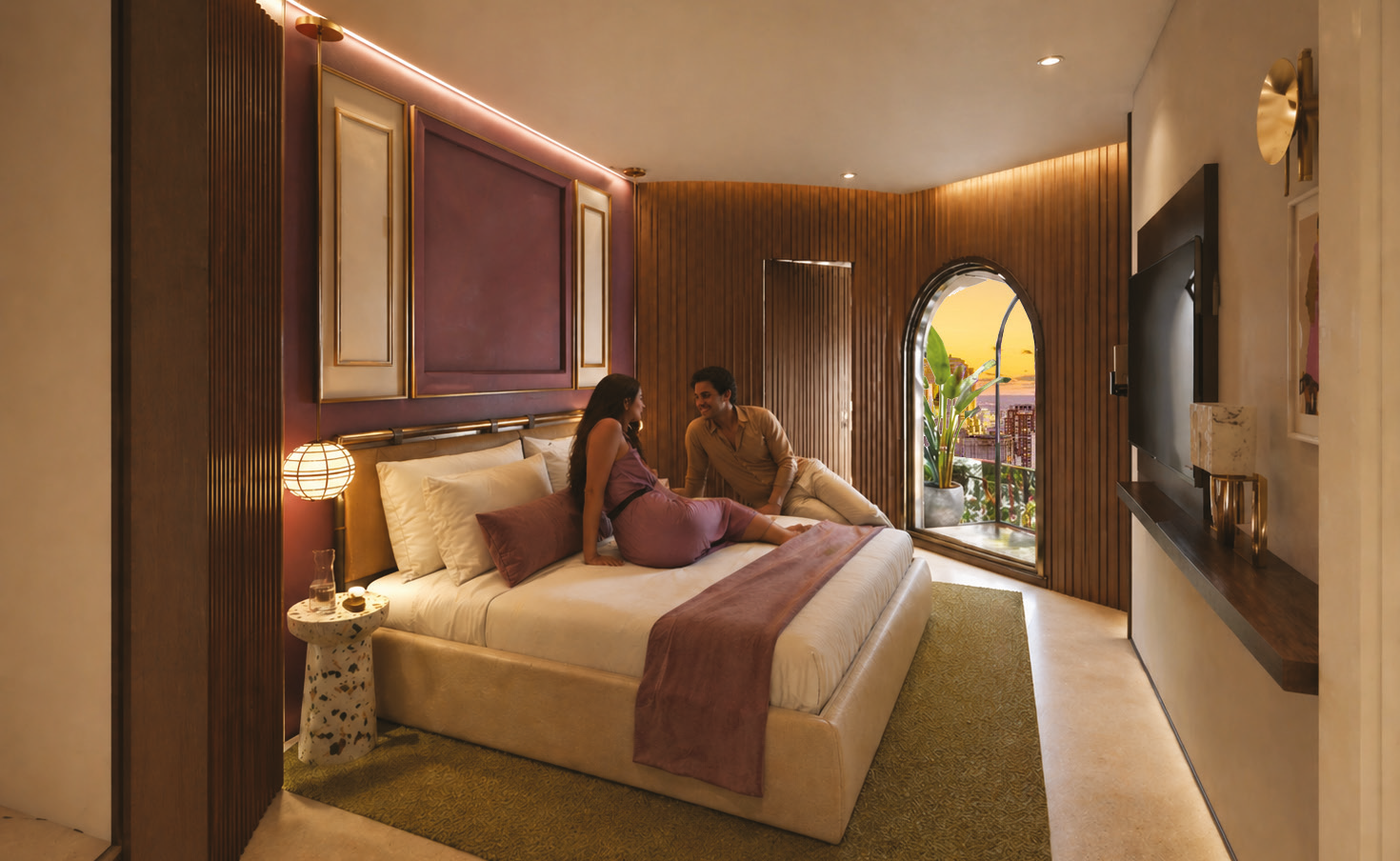
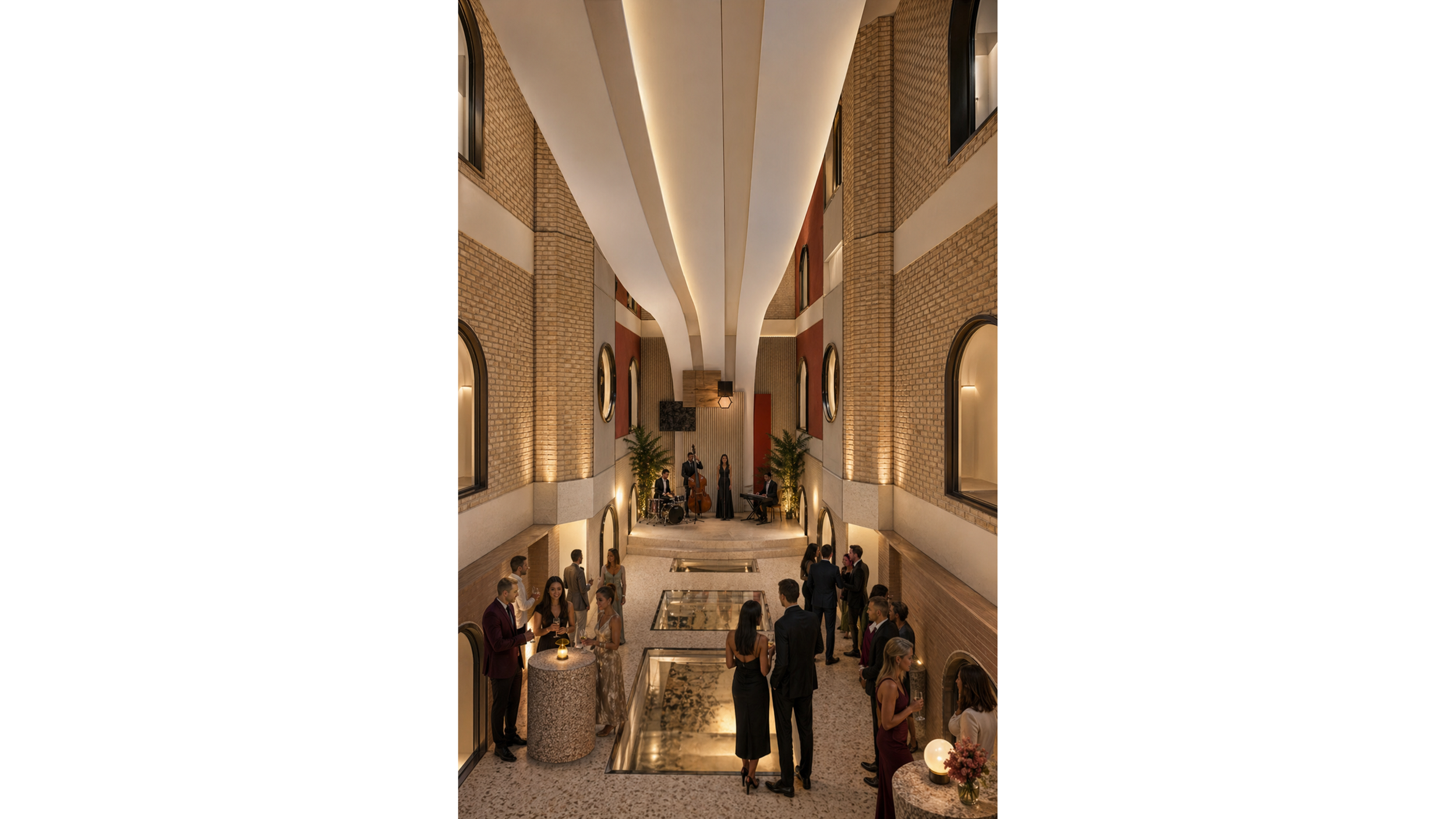
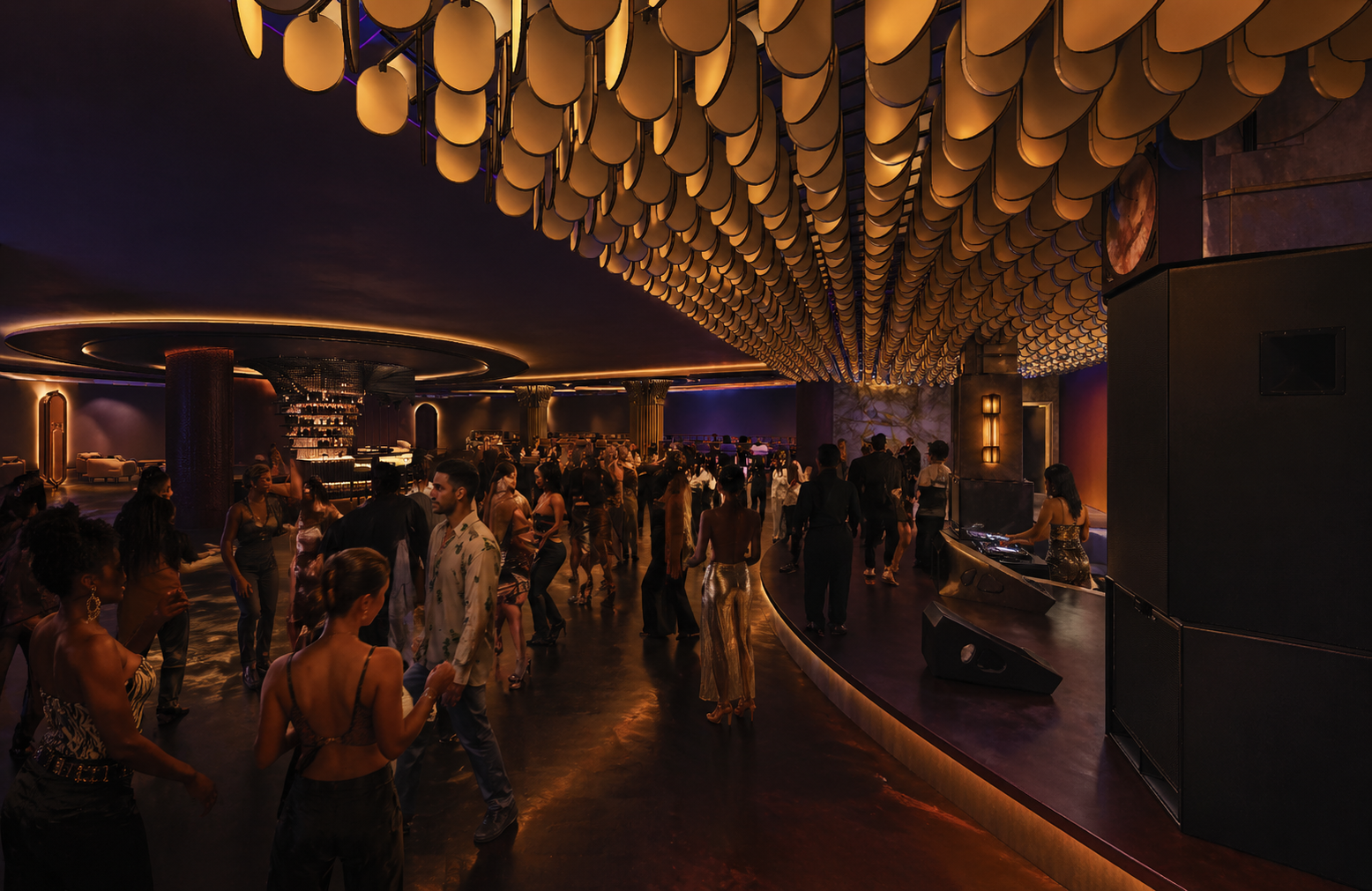
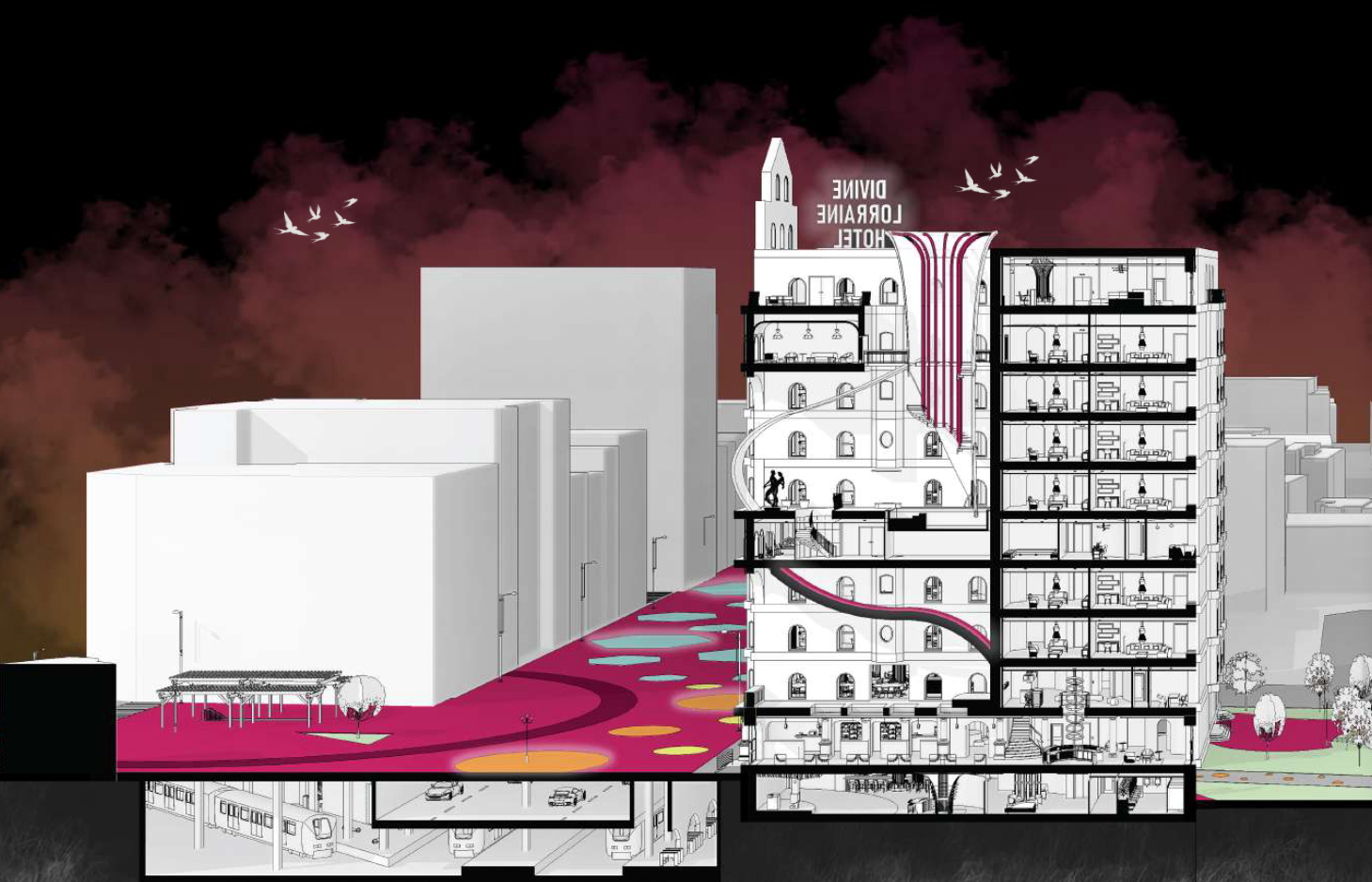
This thesis addresses the growing disconnect between the digitally mediated spatial practices of younger generations and the abundance of underutilized interior environments in contemporary cities. While social media platforms increasingly shape how people form identity, experience visibility, and cultivate community, many interiors remain static, overlooked, or socially unresponsive. Grounded in digital placemaking theory and empirical interior design research, this study proposes an integrated design framework in which digital platforms and spatial strategies work synergistically to reactivate forgotten micro-spaces. Through the analysis of spatial design attributes such as layout visibility, furniture flexibility, sensorial coziness, and visual identity and digital activation strategies including content-worthy design moments, AR experiences, and location-based social features, this research demonstrates how interior architects can design environments that generate both online engagement and offline social bonding. Ultimately, the thesis culminates in design guidelines illustrating how material choices, spatial configurations, and digital integrations can transform contemporary “junkspaces” into youth-oriented community hubs where physical presence and digital storytelling mutually reinforce authentic belonging and intergenerational connection.