Modular Communities of Belonging: Rethinking How Interiors Support Everyday Connection
Valentina Vargas // Advisor: Brian Newswanger
Rethinking How Interiors Support Everyday Connection
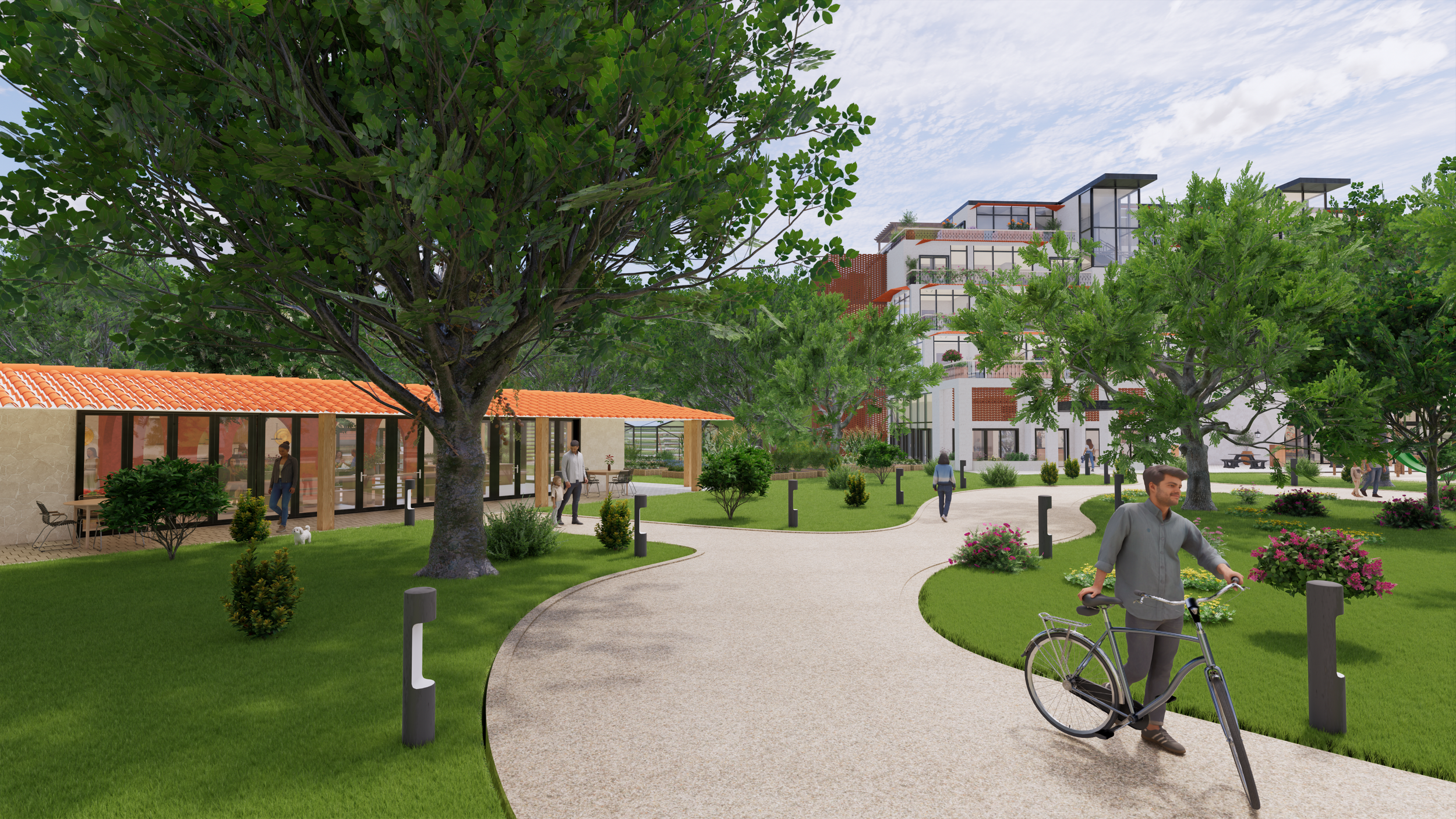
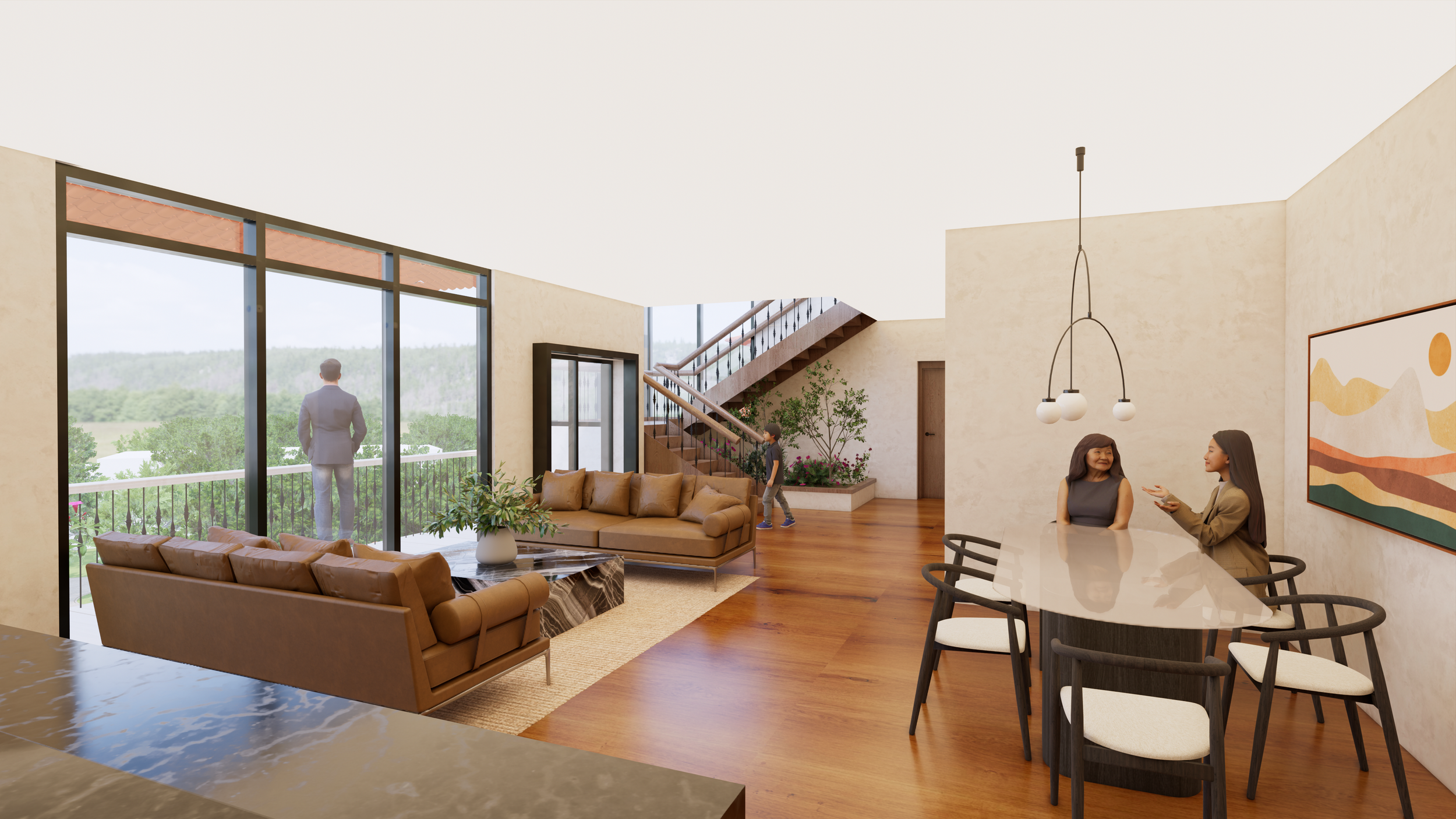
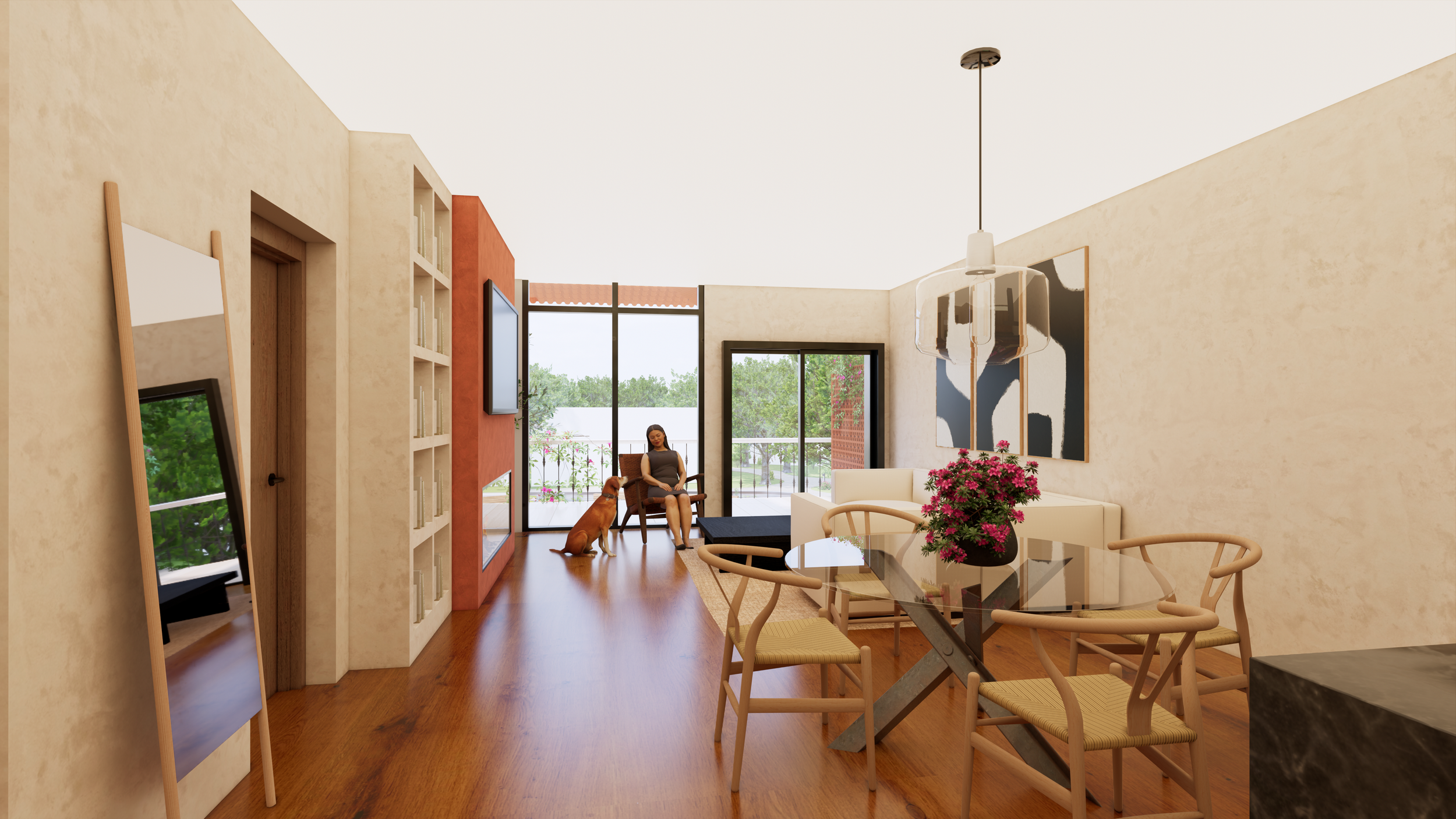
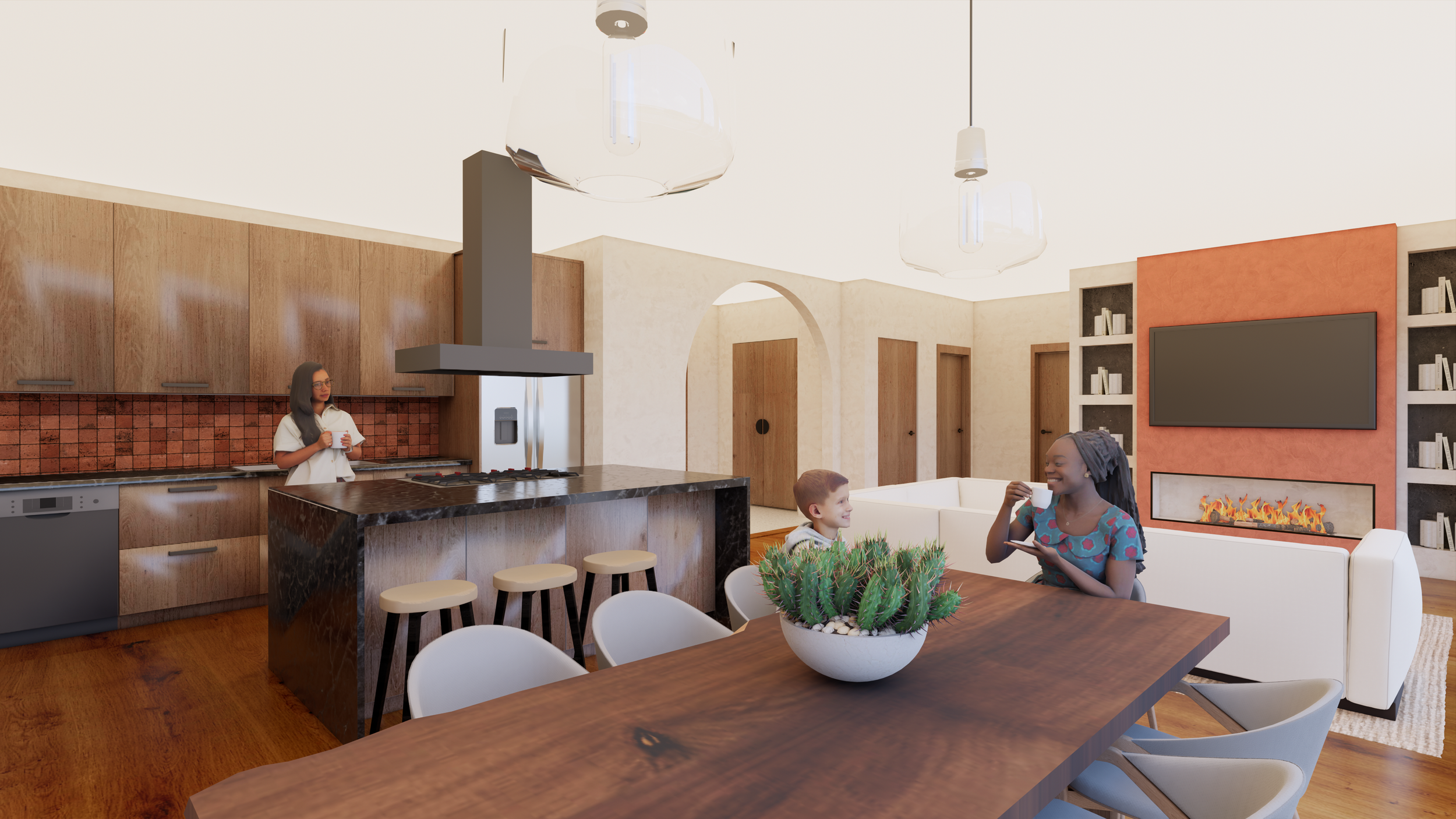
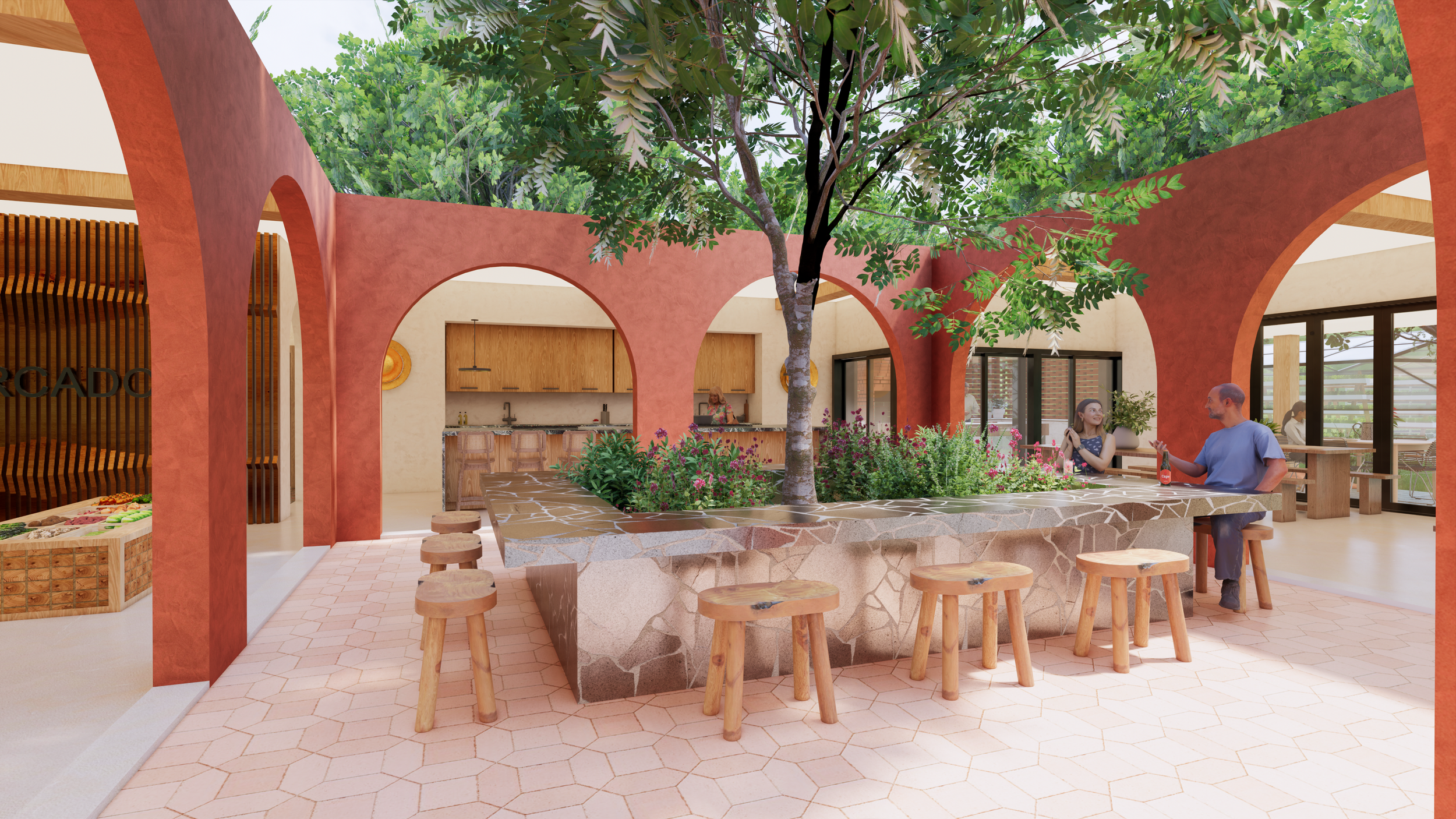
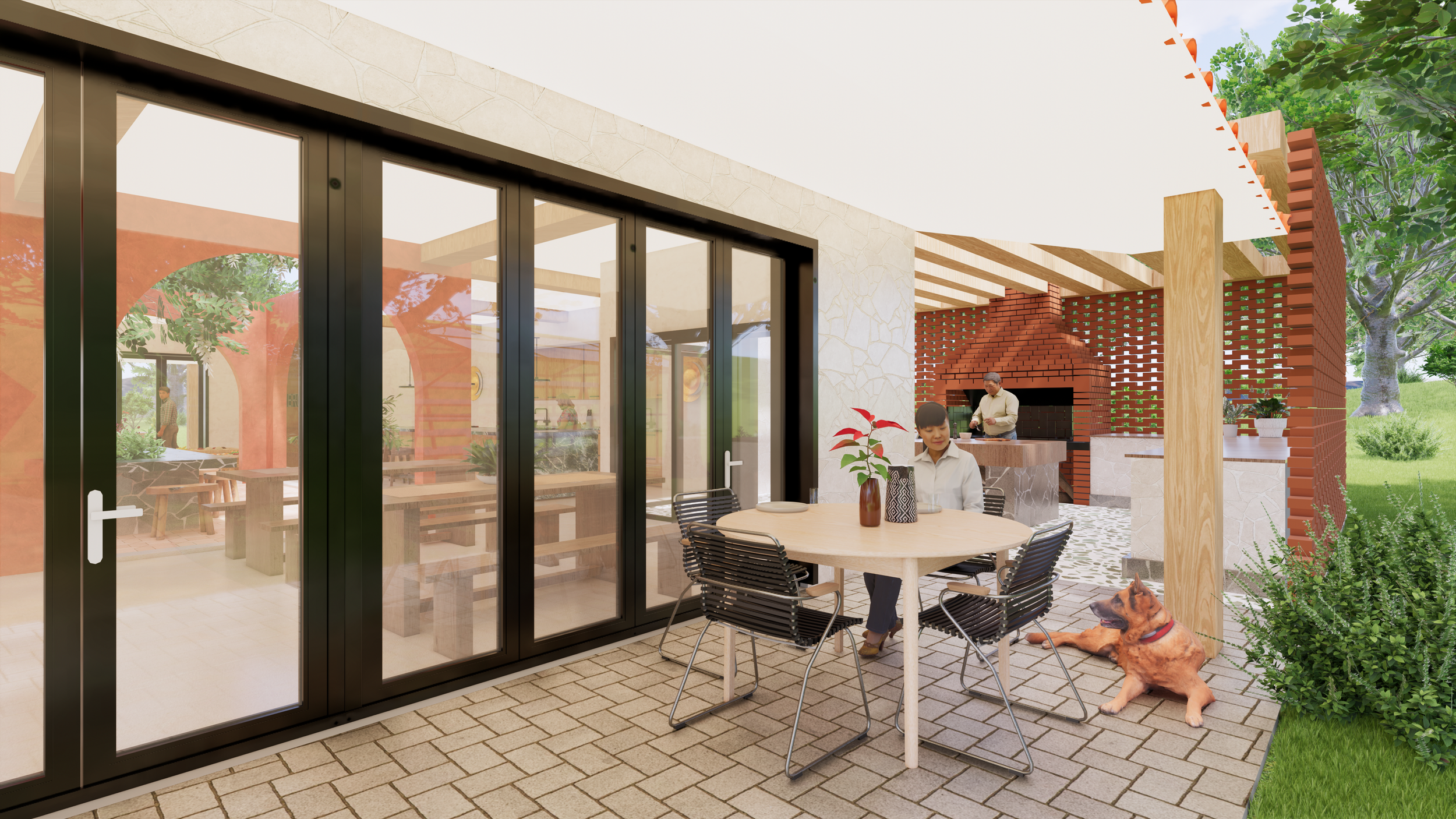
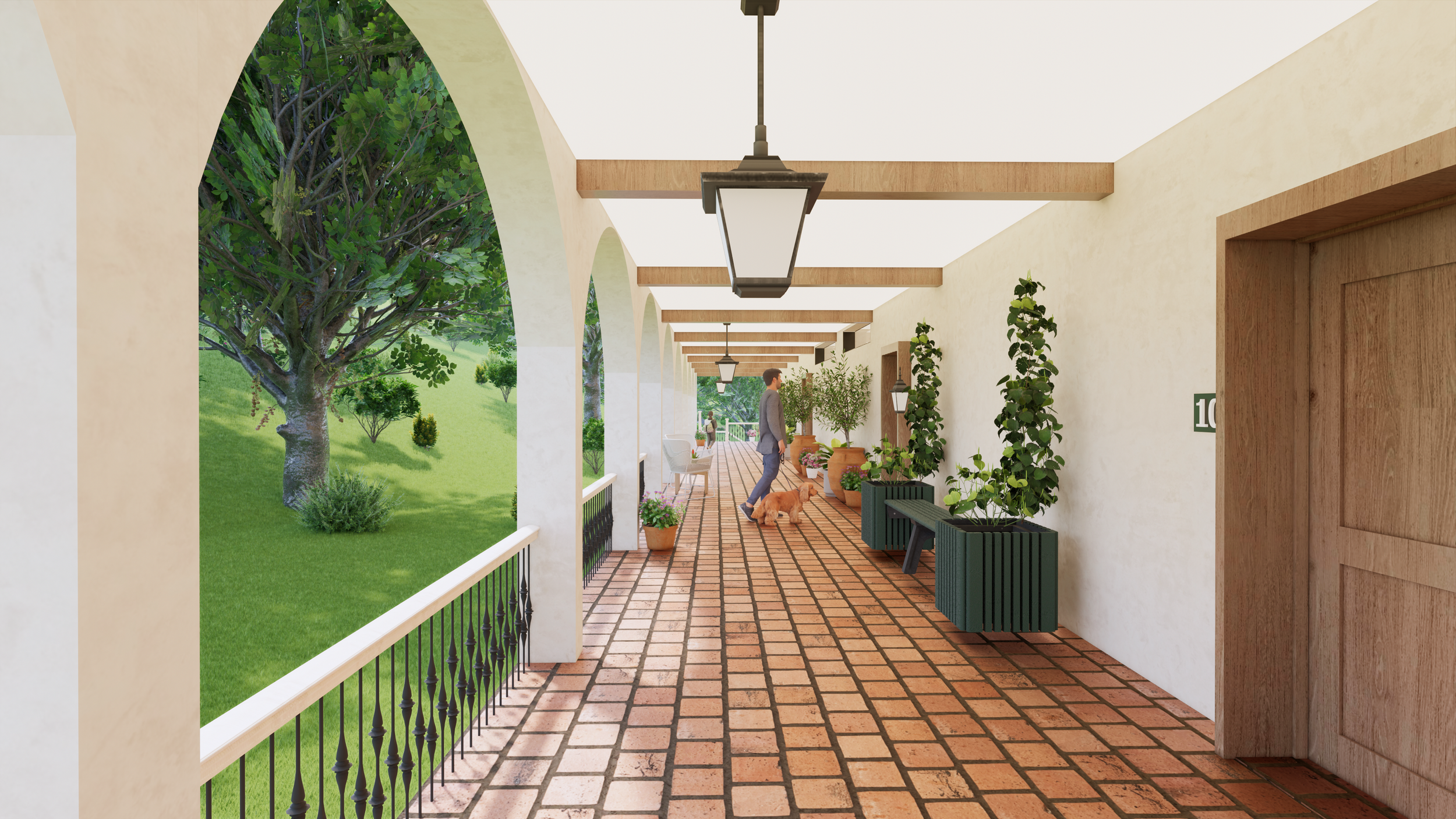
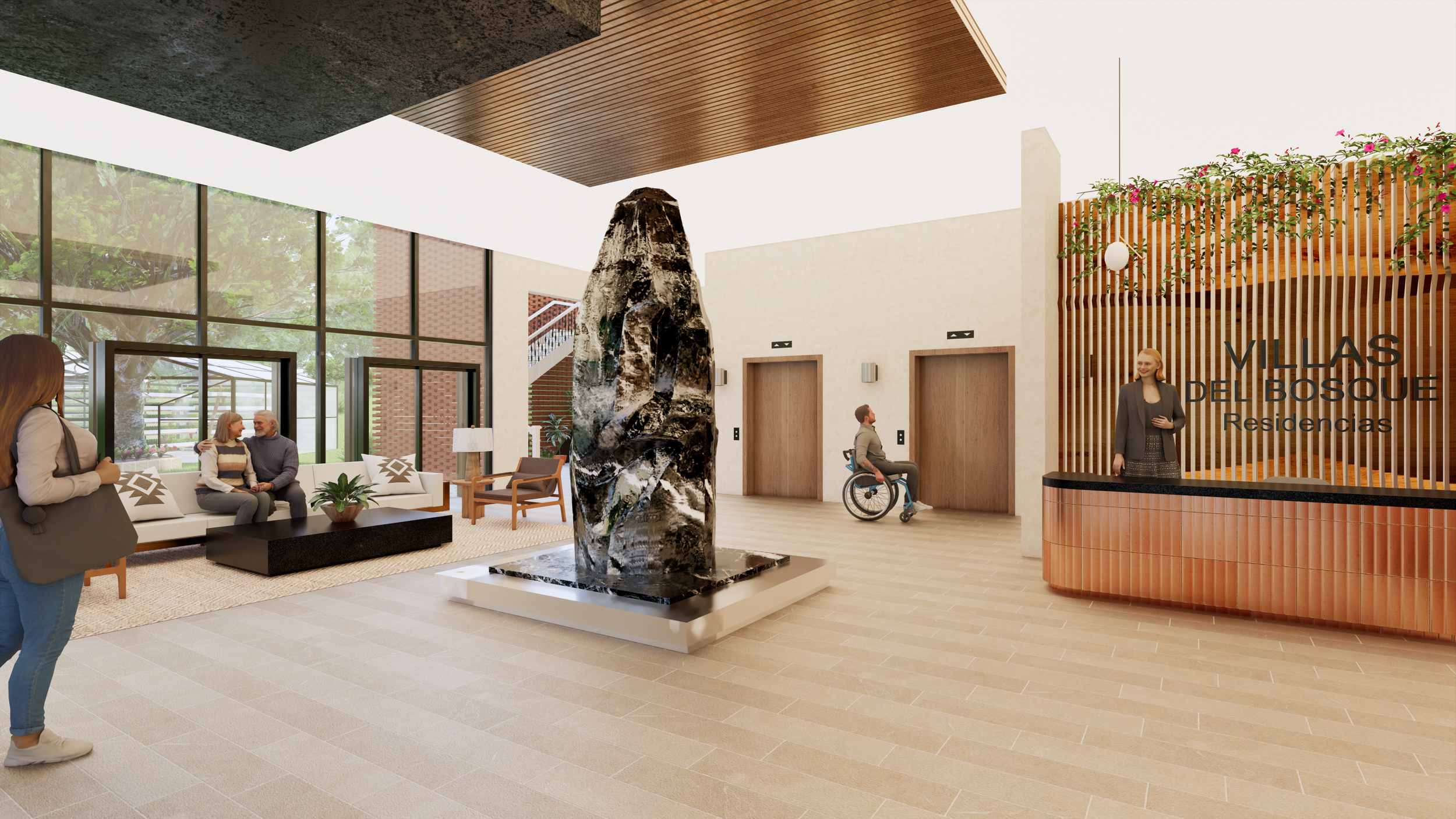
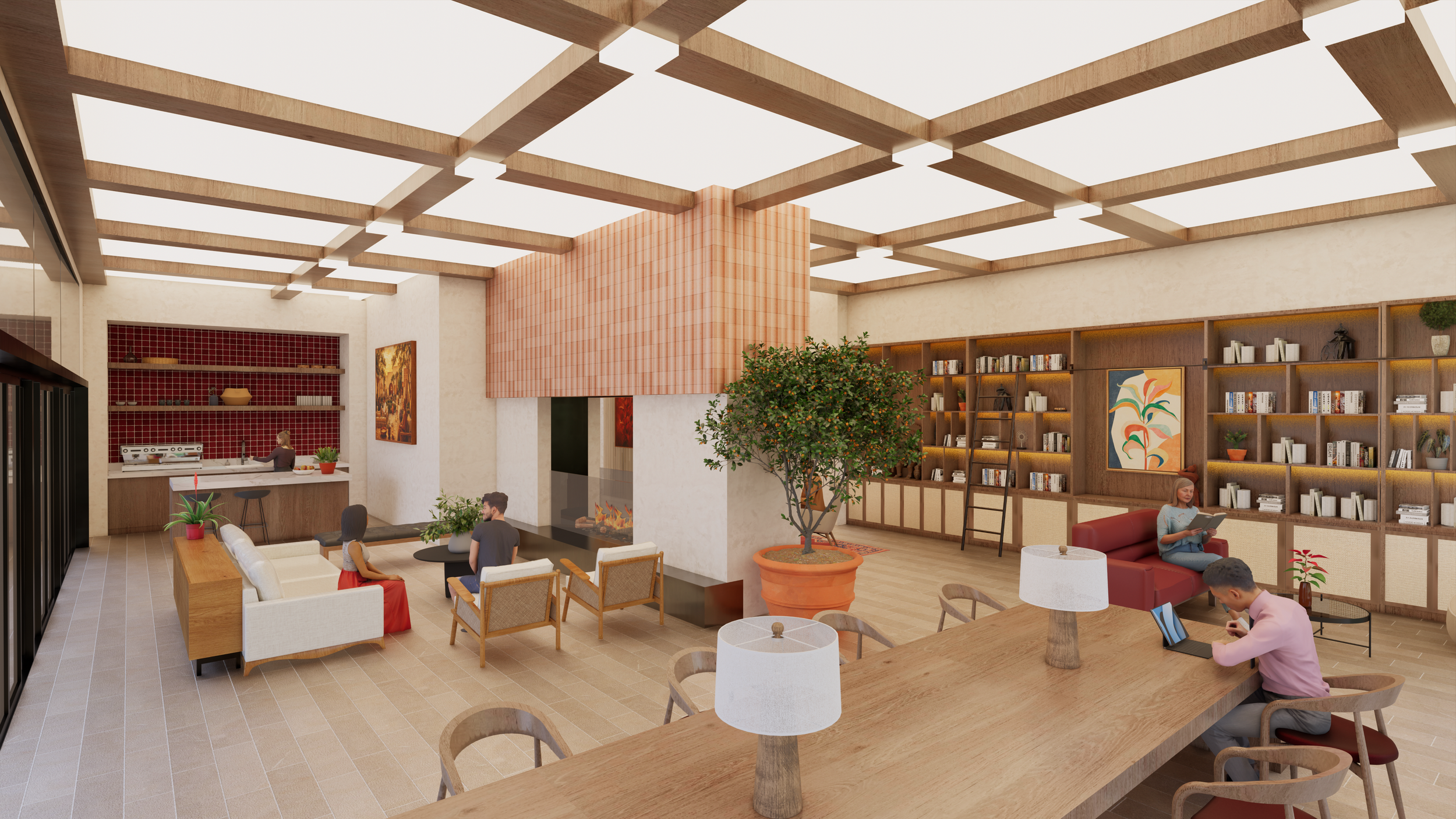
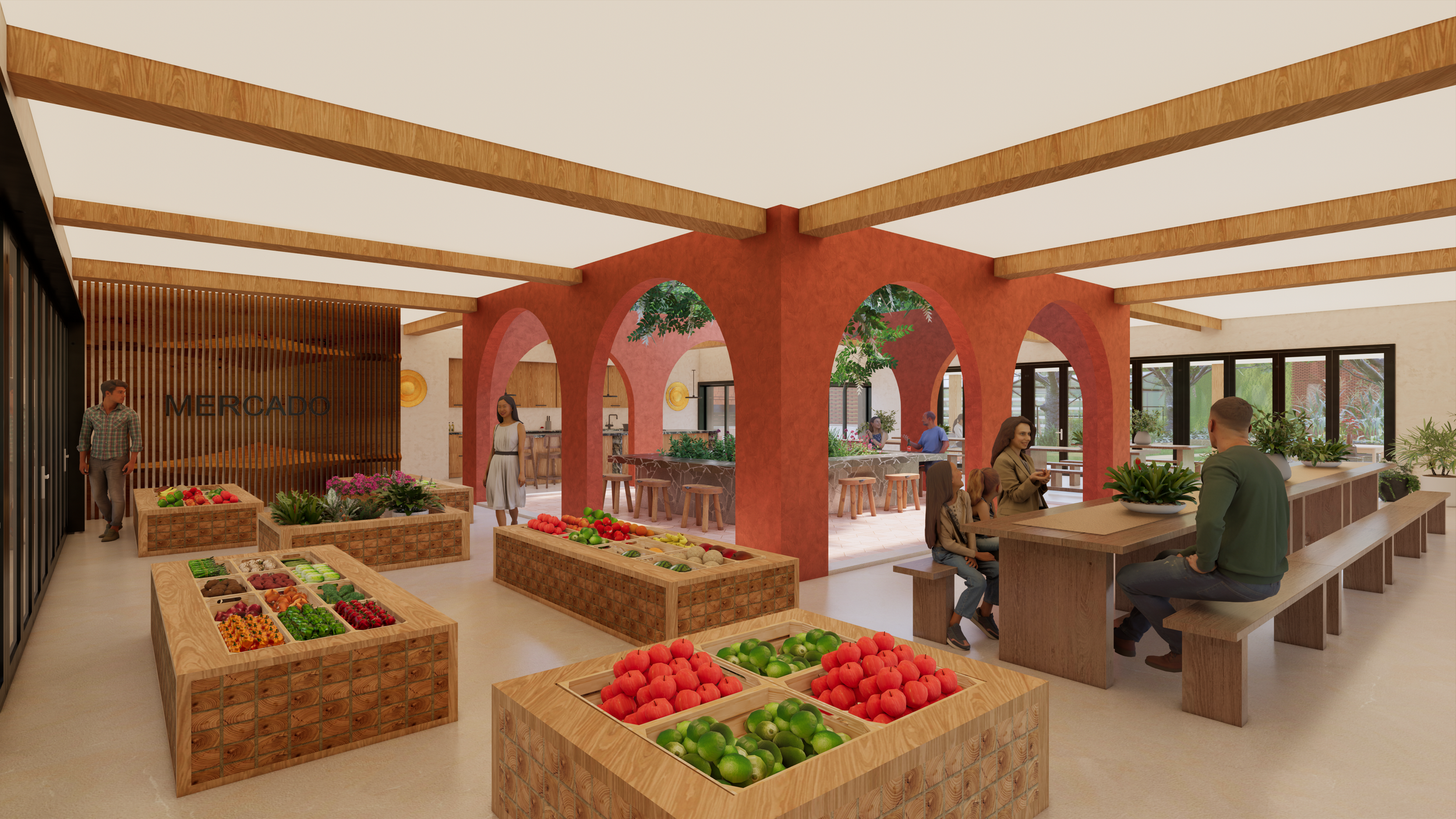
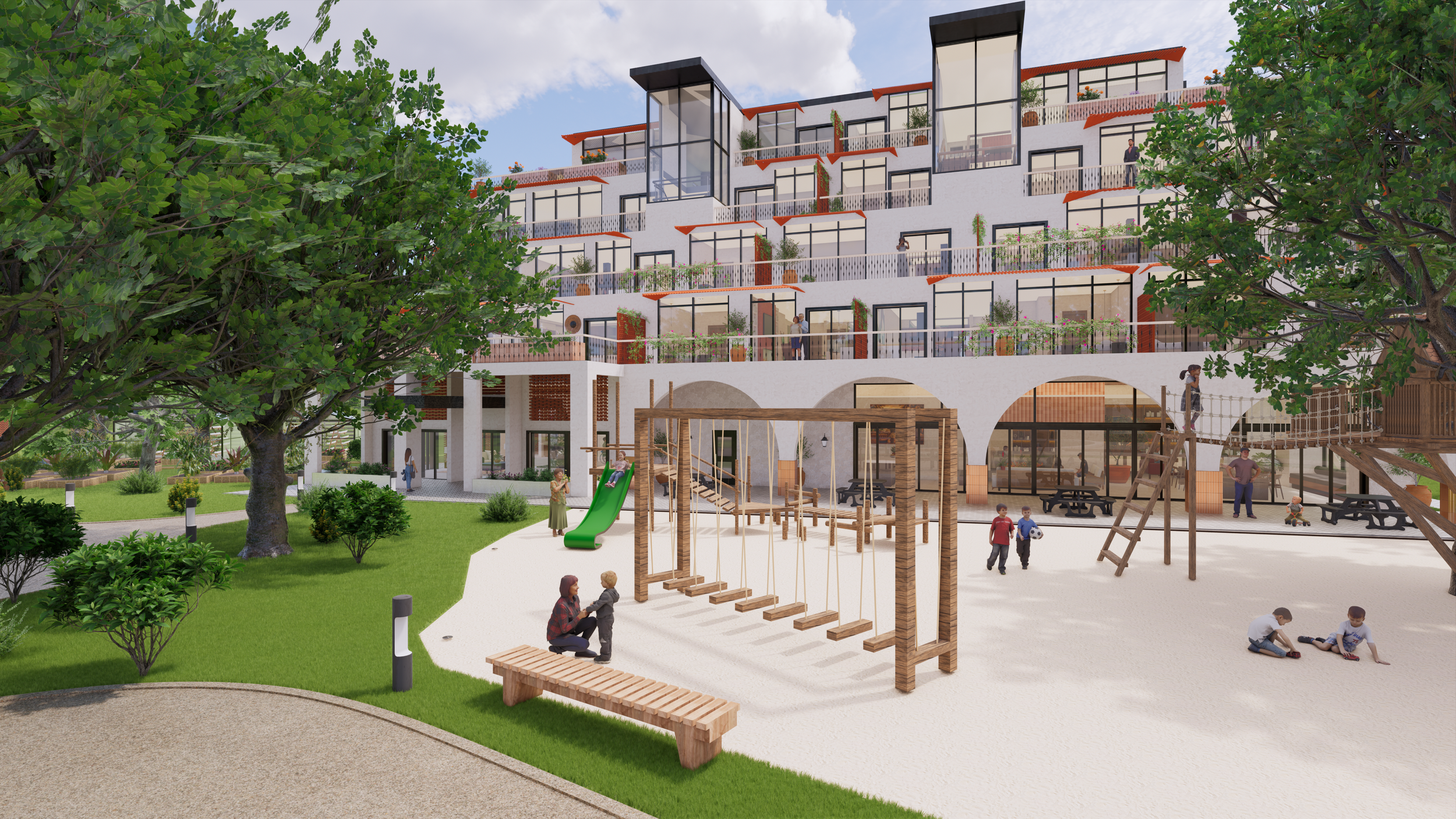
In many contemporary housing models, people live inches apart yet worlds away. Buildings optimized for privacy and efficiency often leave little room for the overlaps that allow communities to grow. Modular Communities of Belonging asks how interior architecture might restore these lost moments; how flexible, modular systems can shape small-scale neighborhoods where connection feels natural, not forced. Inspired by theories of place identity, sensory experience, social infrastructure, and personal memories, this thesis explores interiors as spatial frameworks for belonging. It seeks to design adaptable, low-impact living environments where daily routines create opportunities for connection and mutual care. By reimagining how we share spaces, this project proposes modular interior ecologies that support community, resilience, and a deeper sense of home in a world where loneliness has quietly become the norm.