Designing for Calm: Interior Design Strategies for Supportive Educational and Community Spaces for Children and Teens in Foster Care
Tala Khakbaz // Advisor: Marjan Miri
Designing for Calm: Interior Design Strategies for Supportive Educational and Community Spaces for Children and Teens in Foster Care.
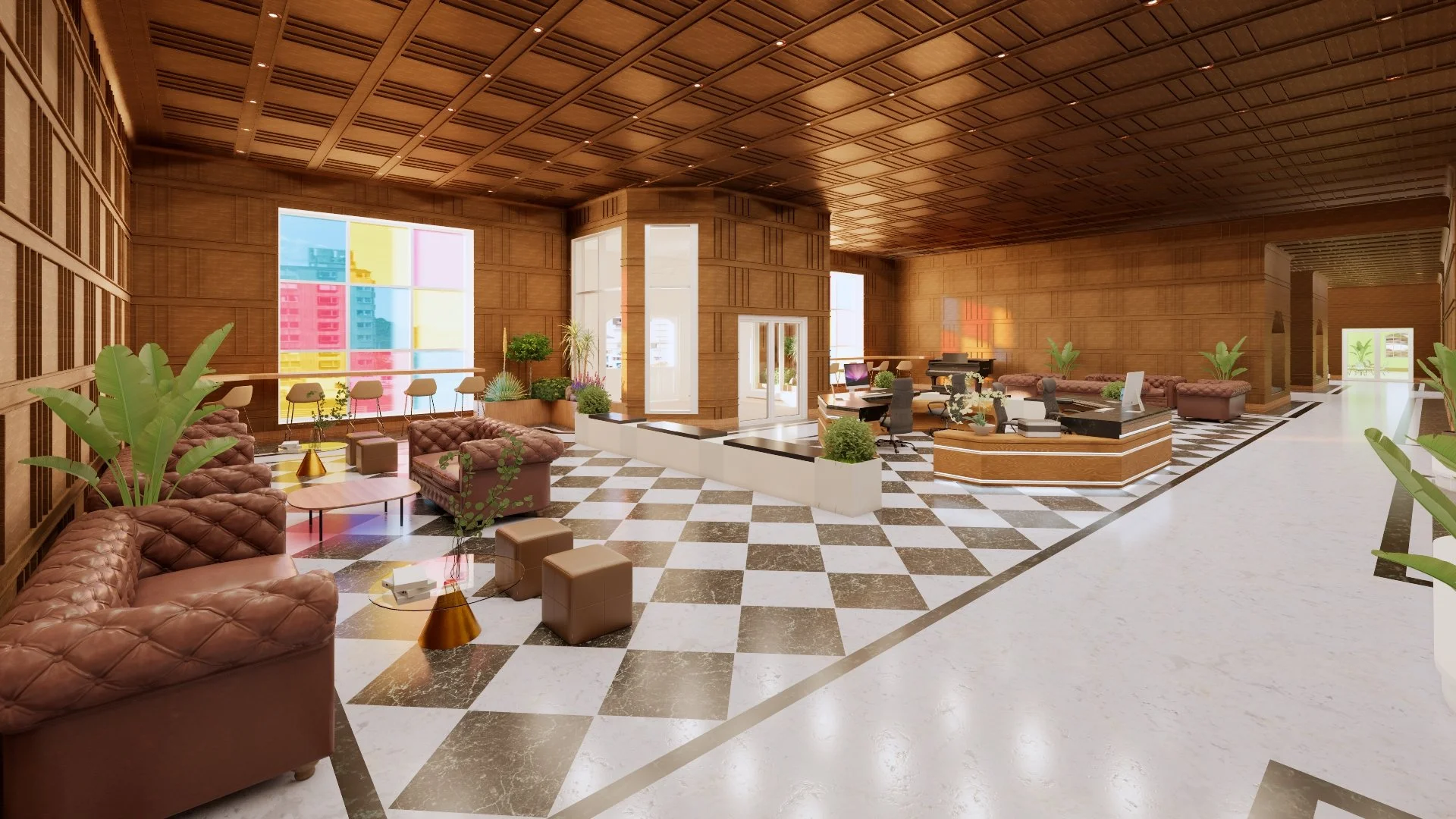
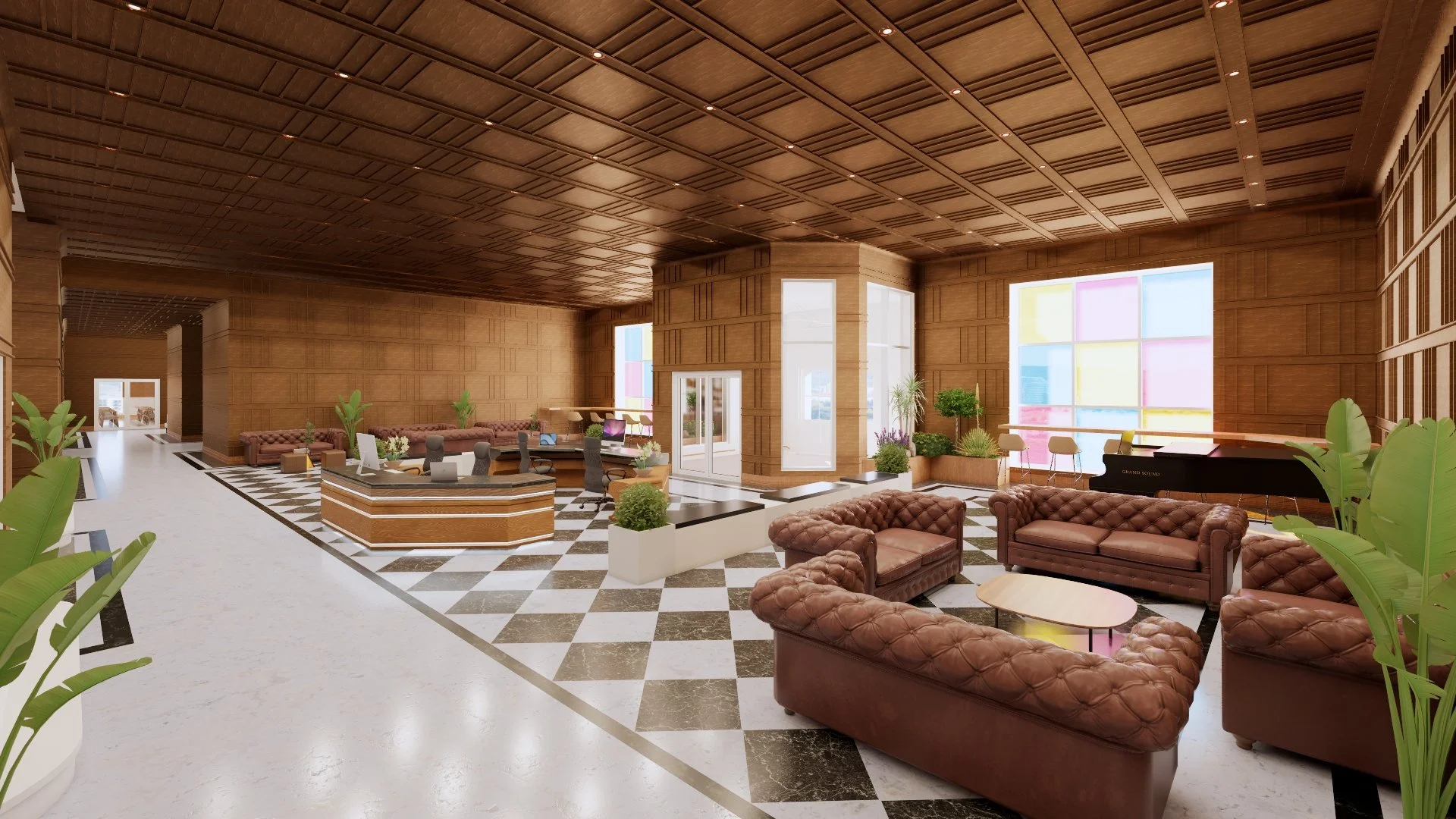
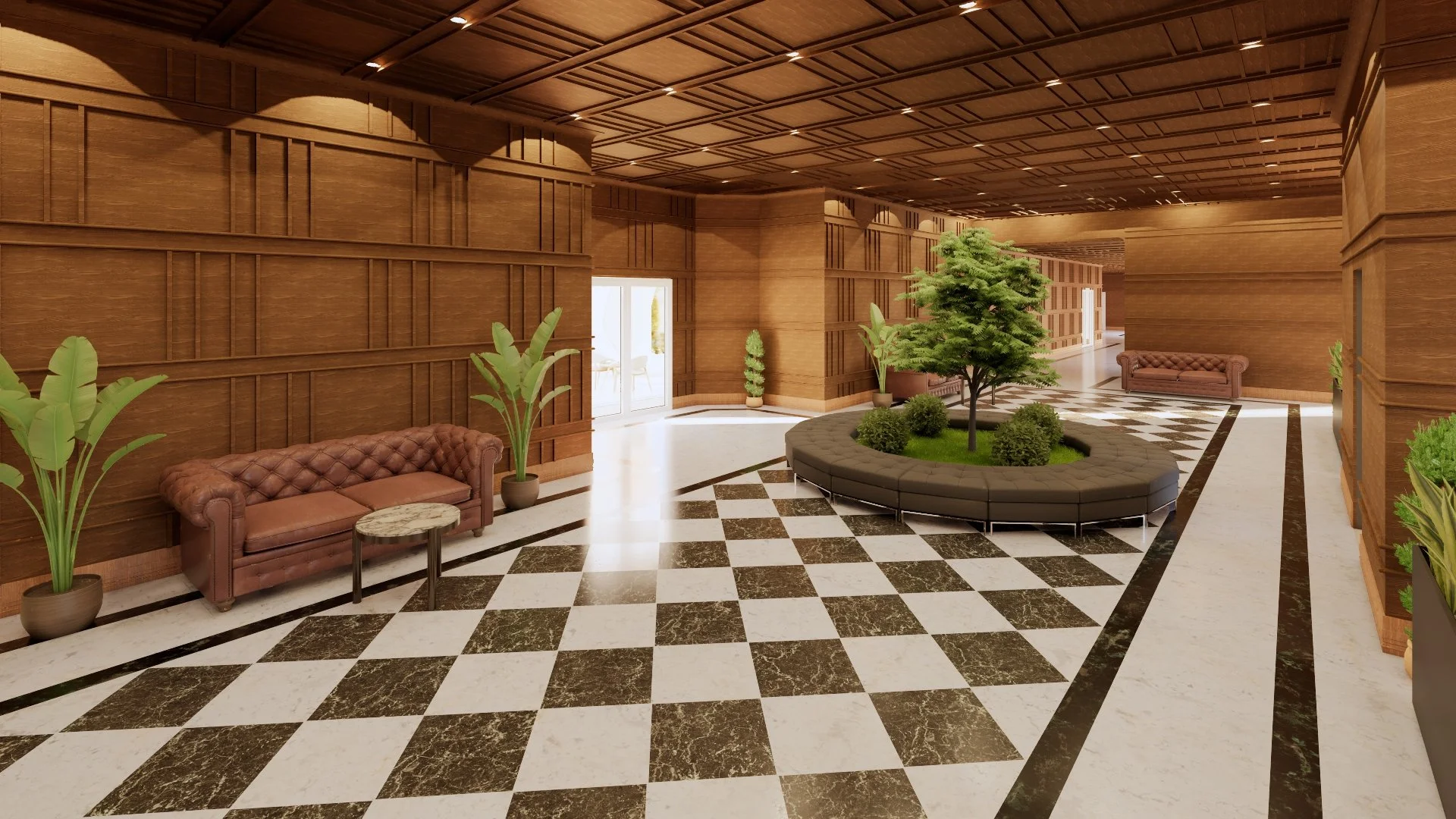
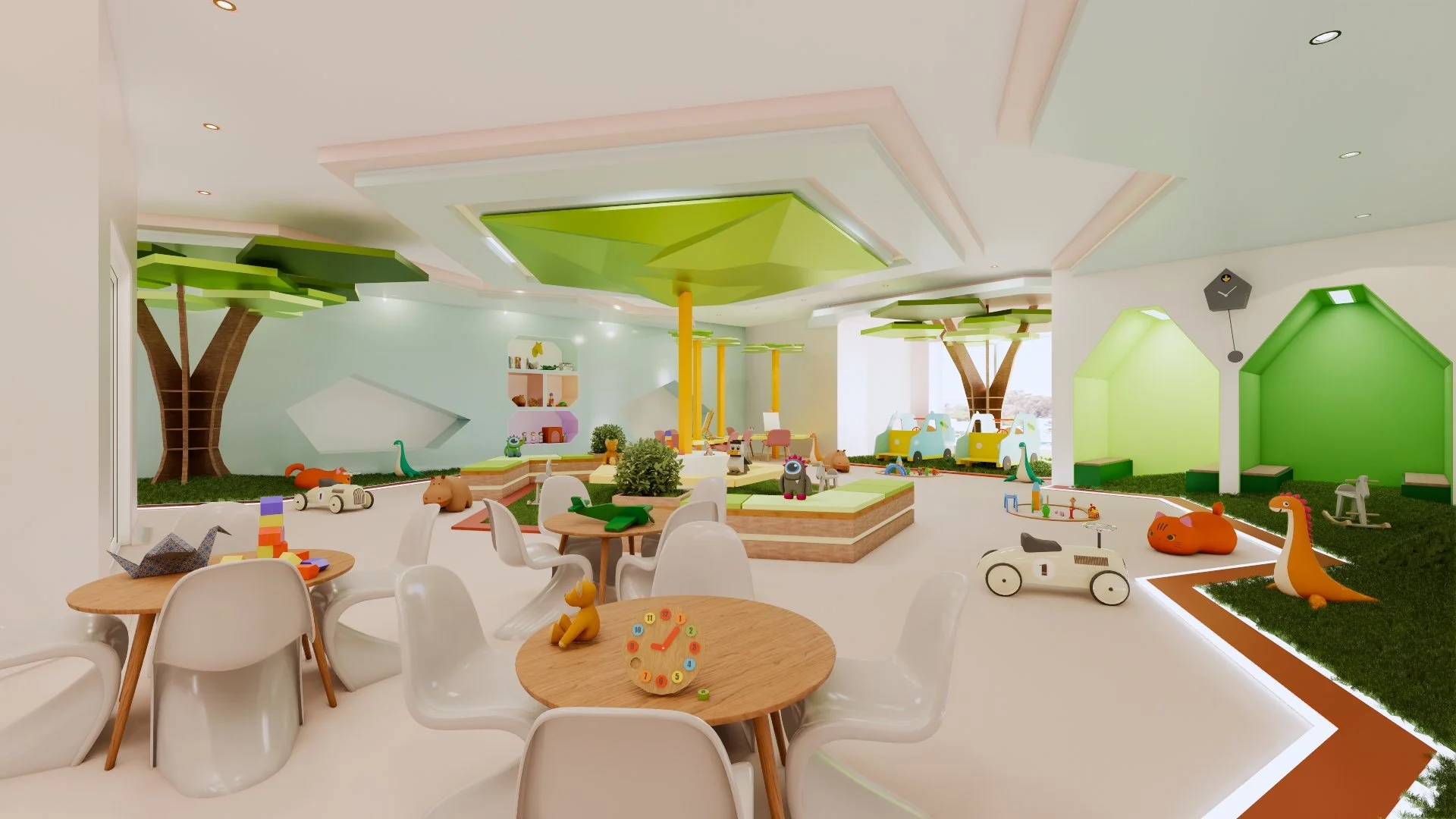
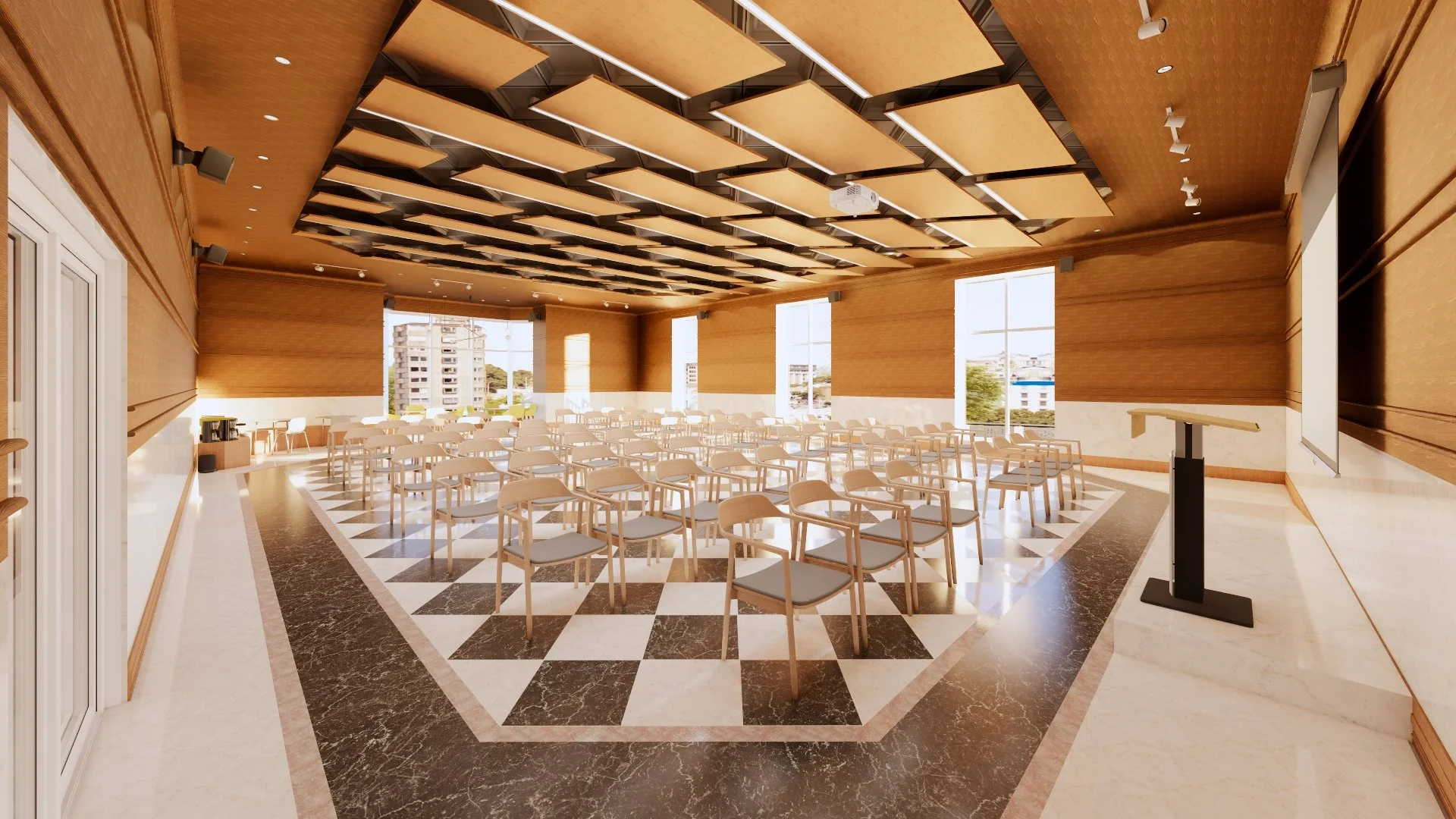
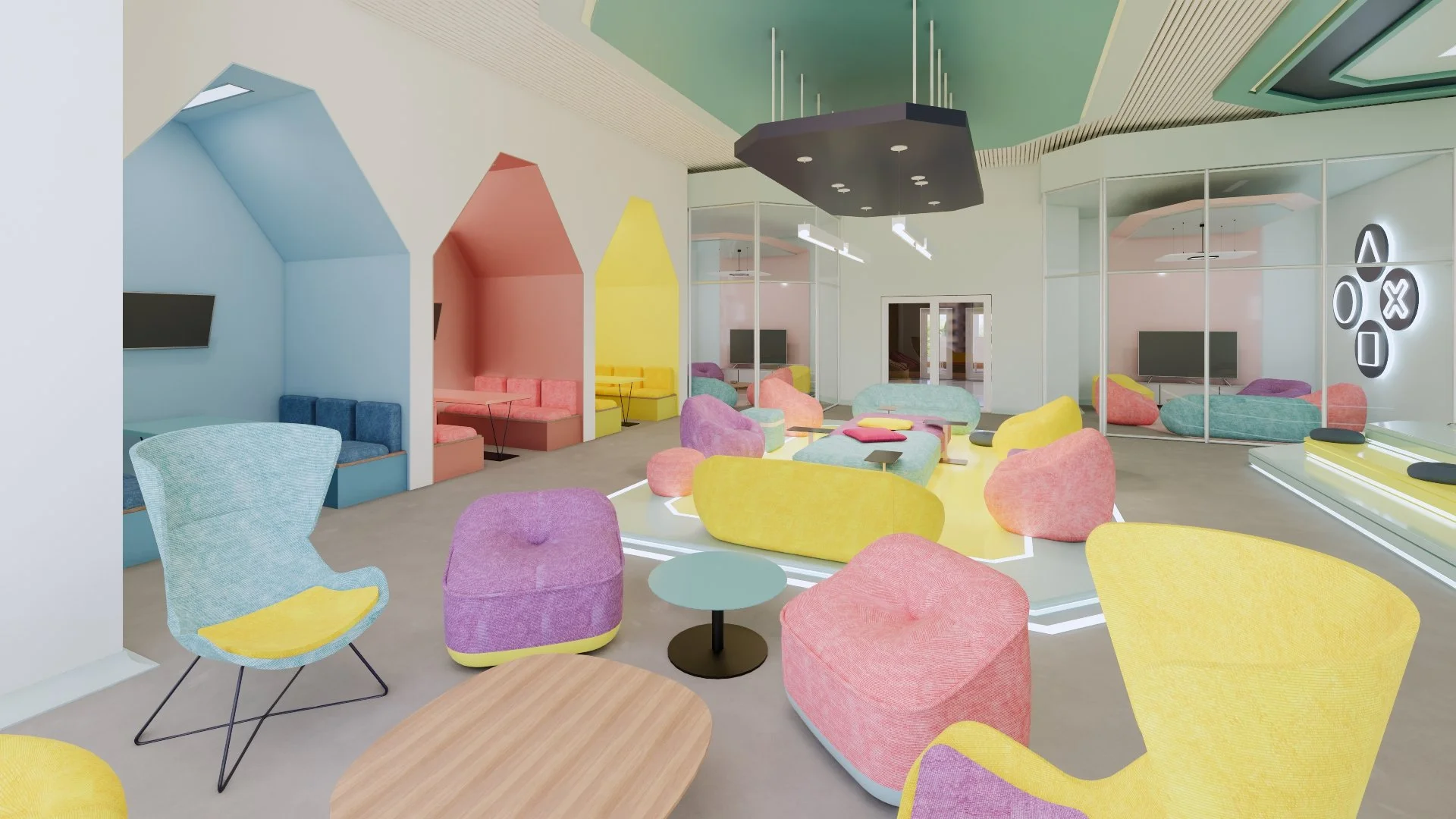
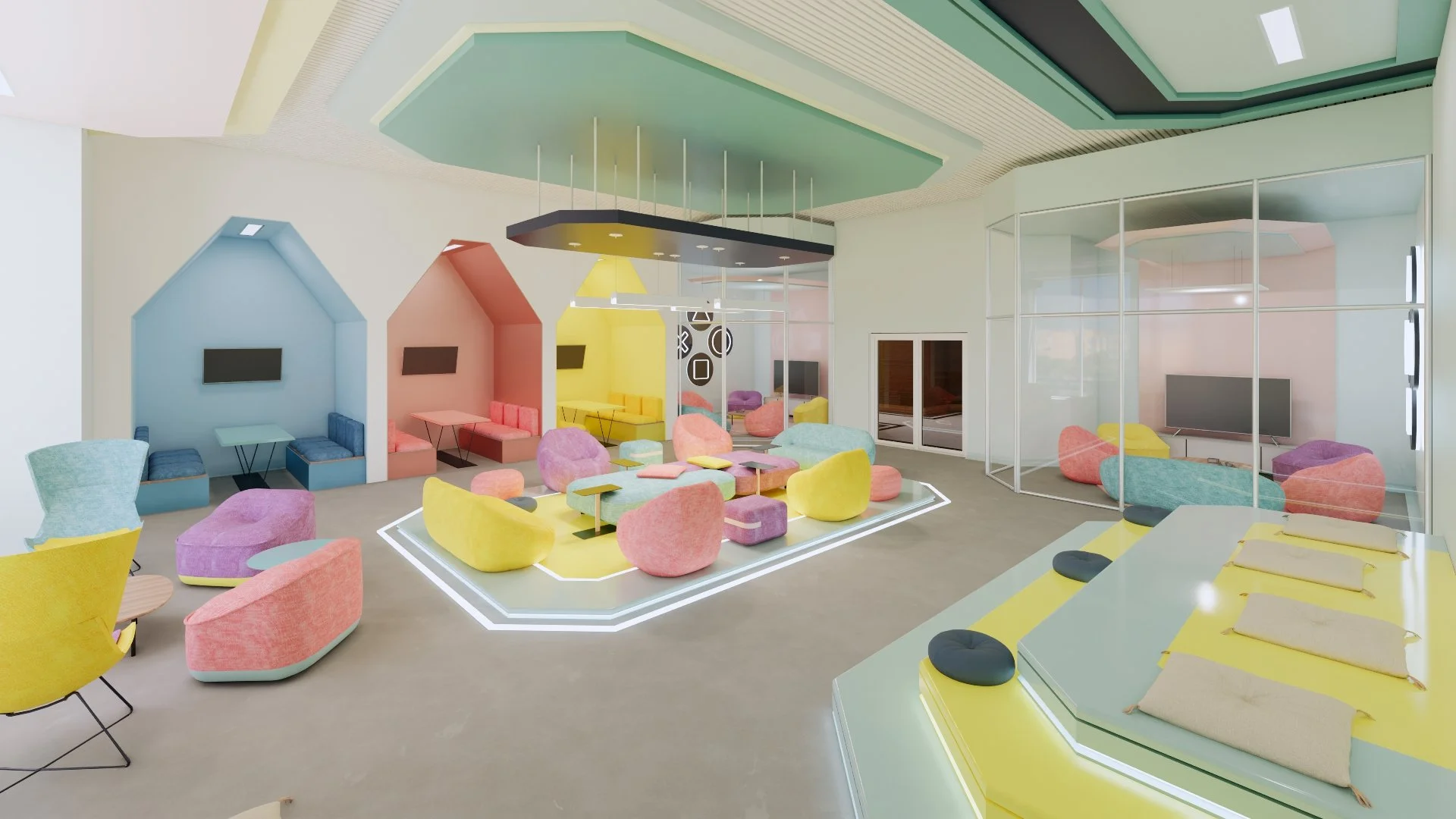
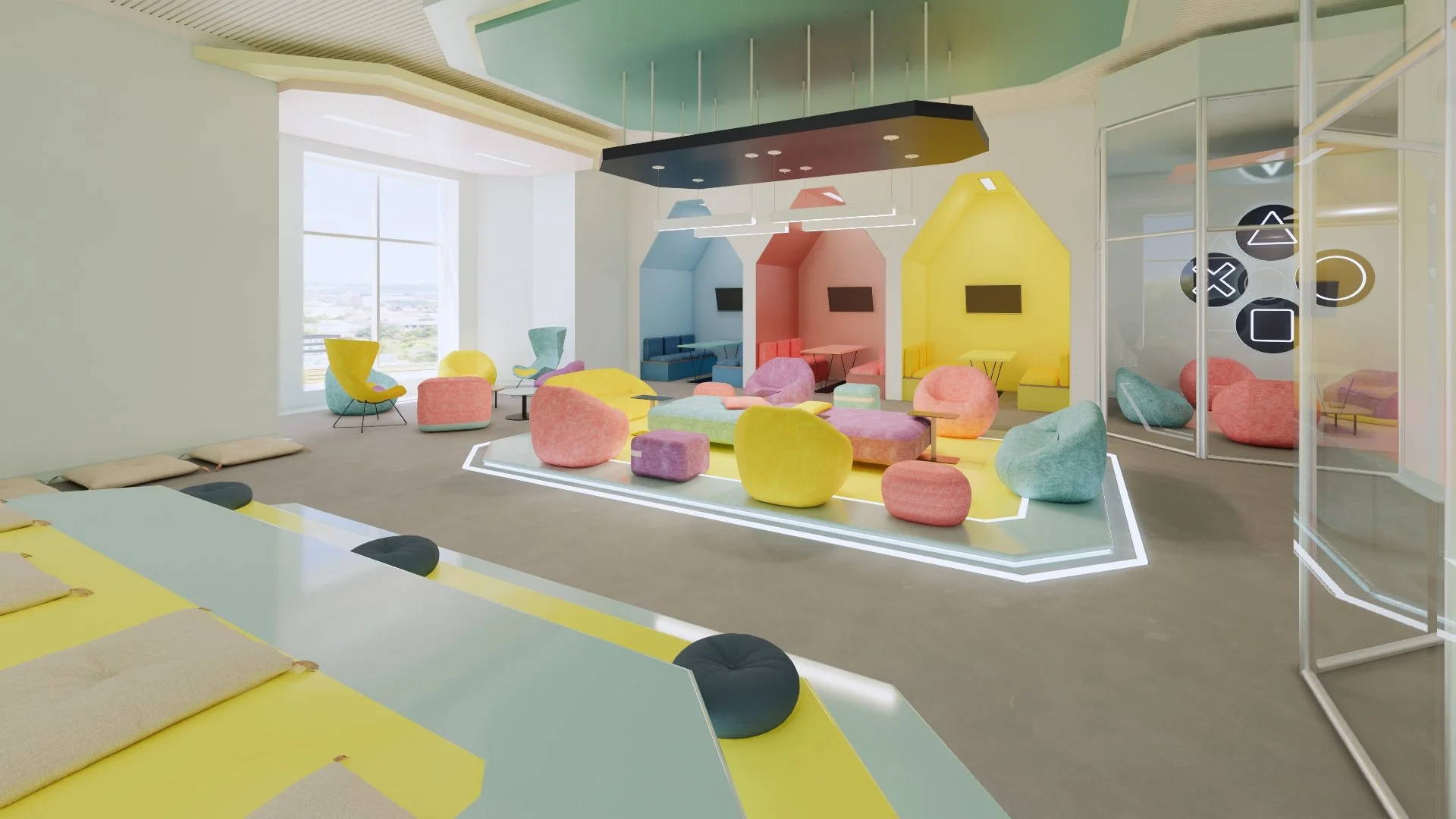
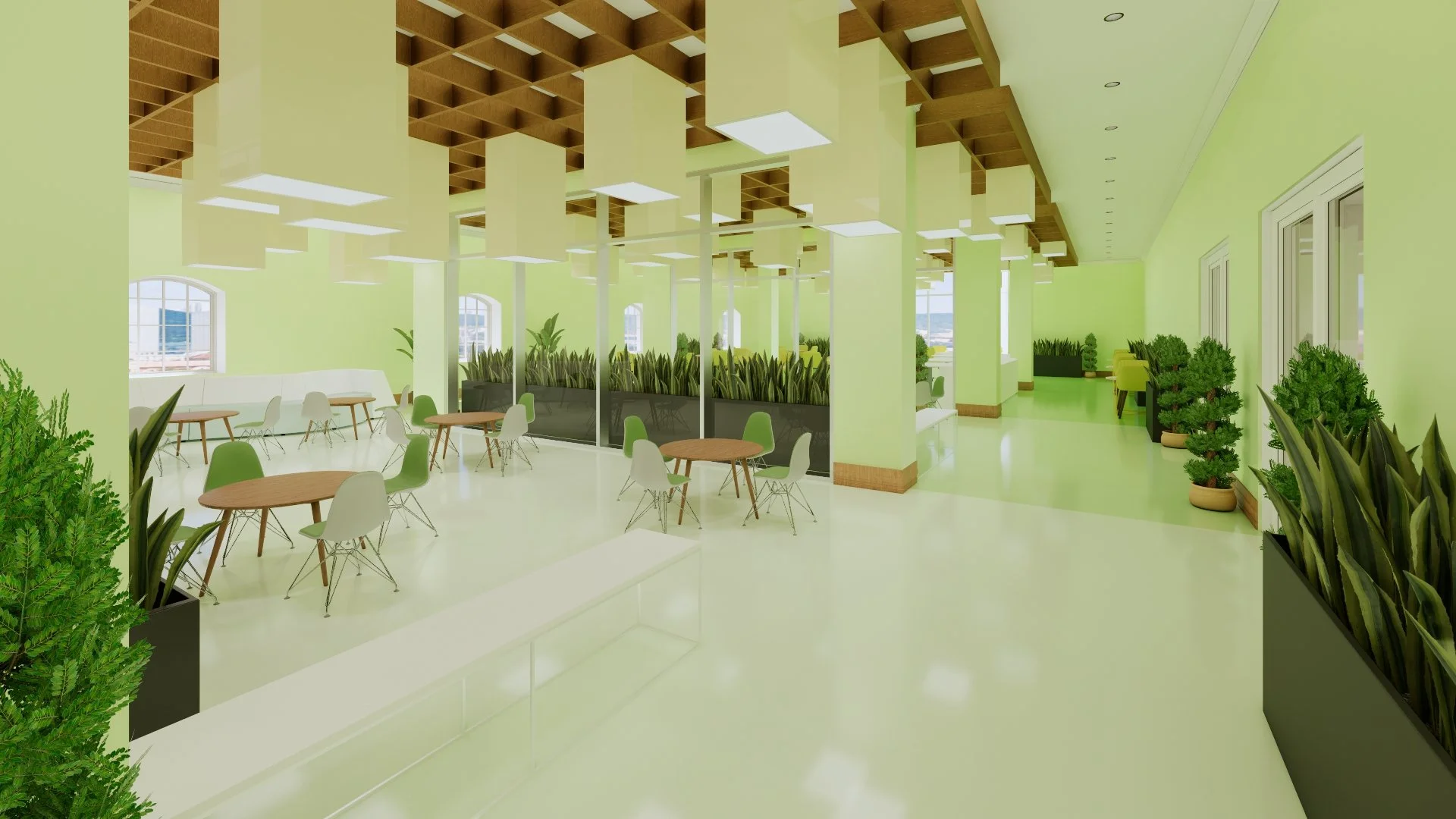
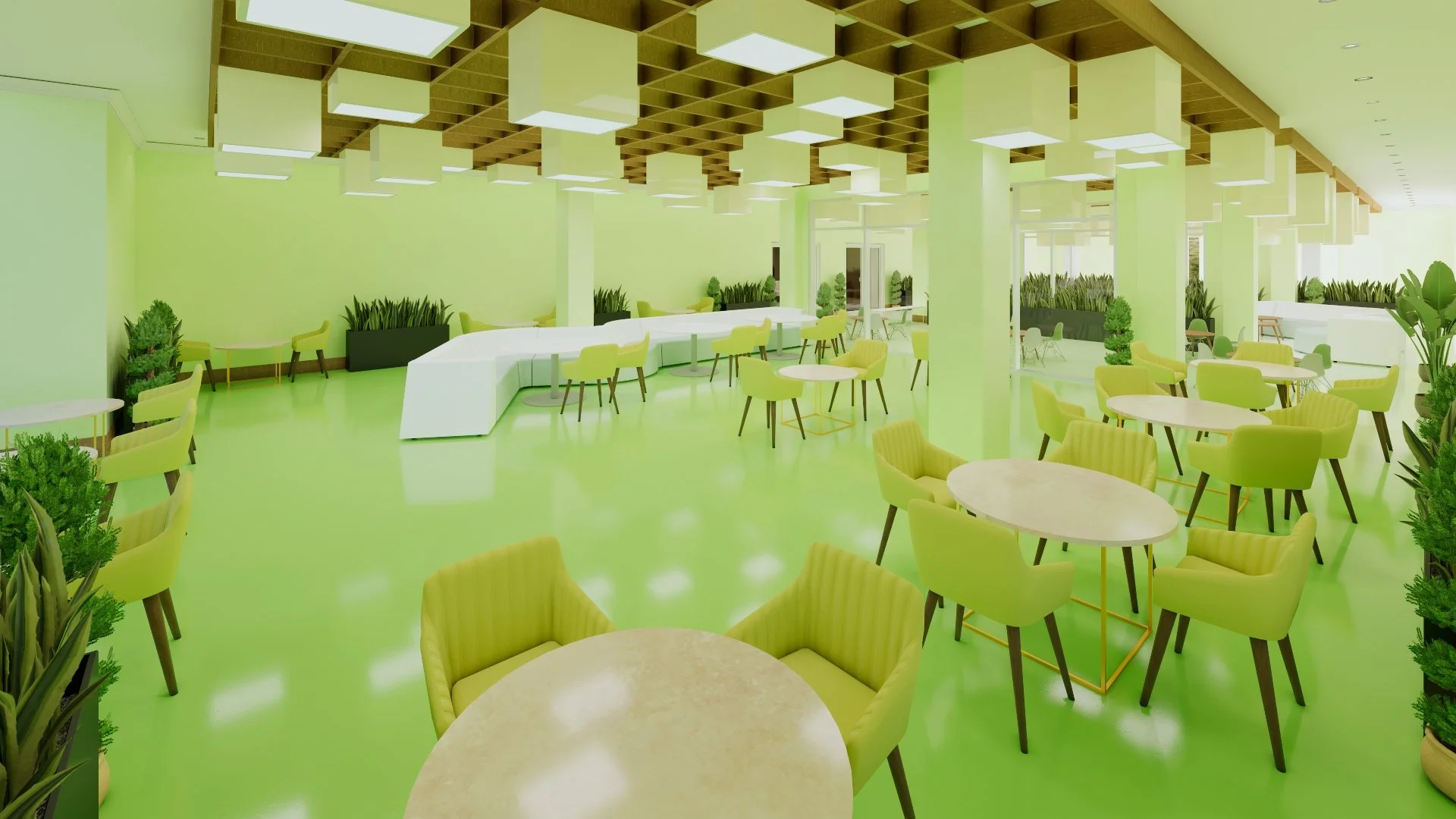
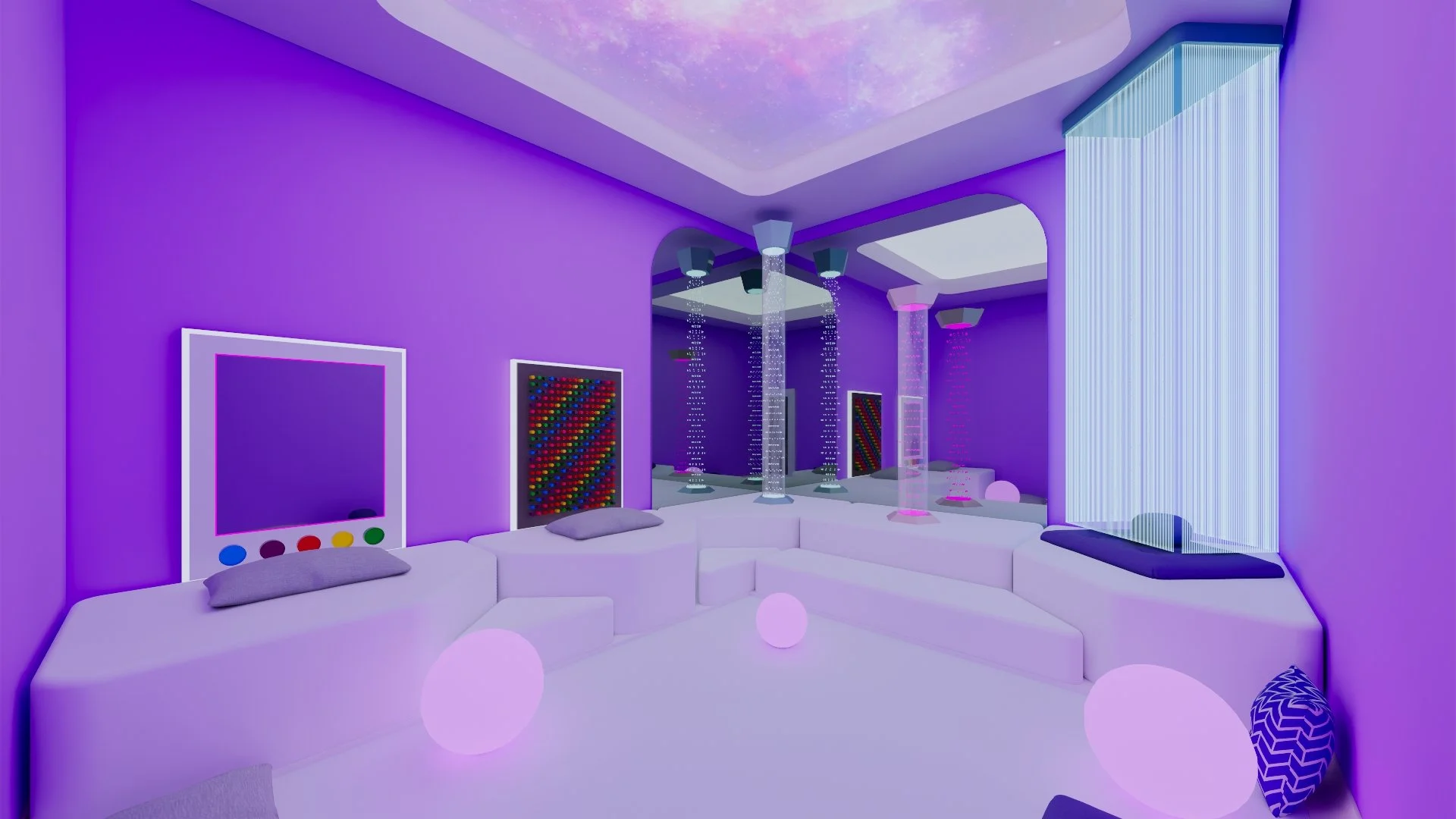
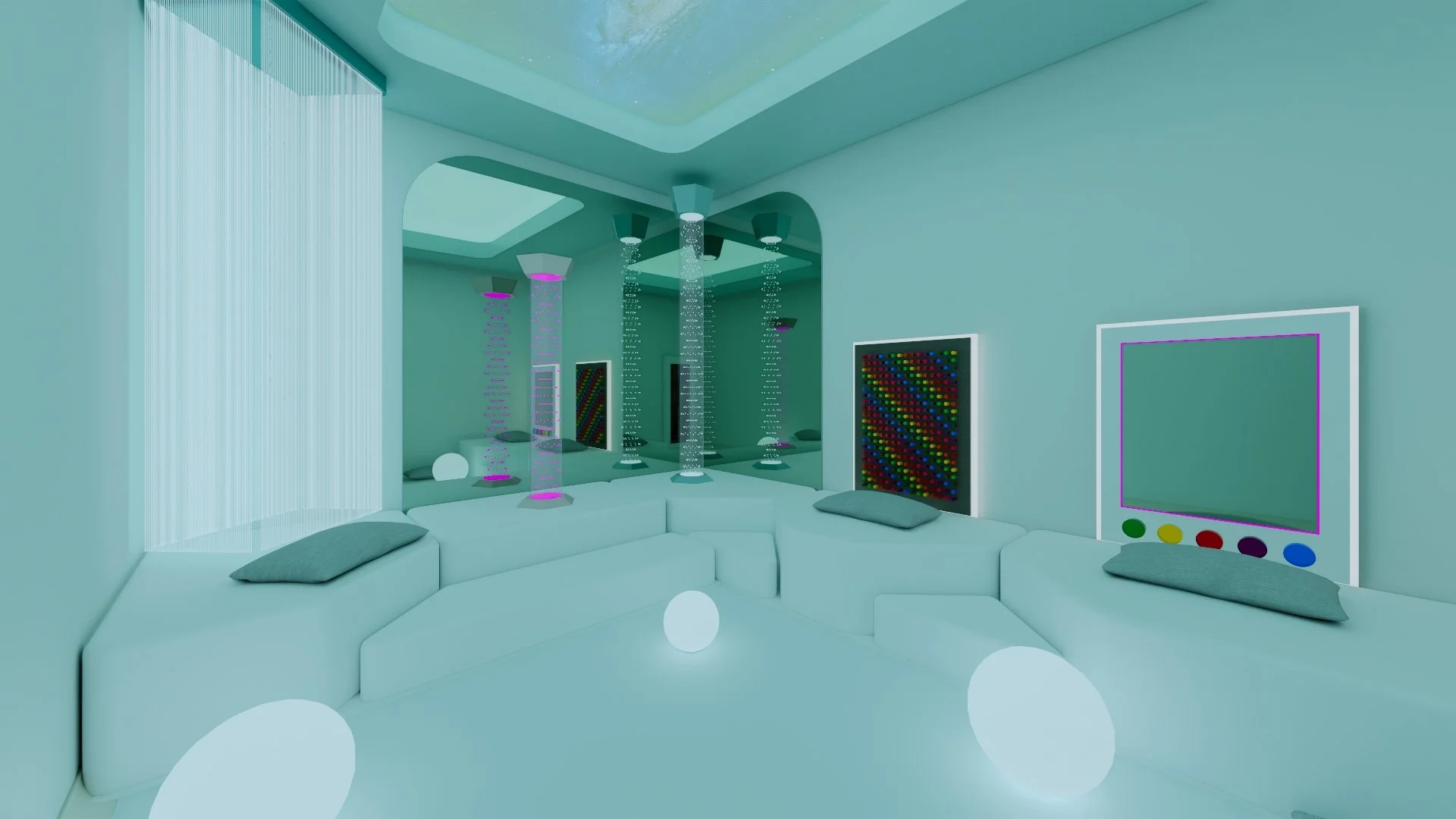
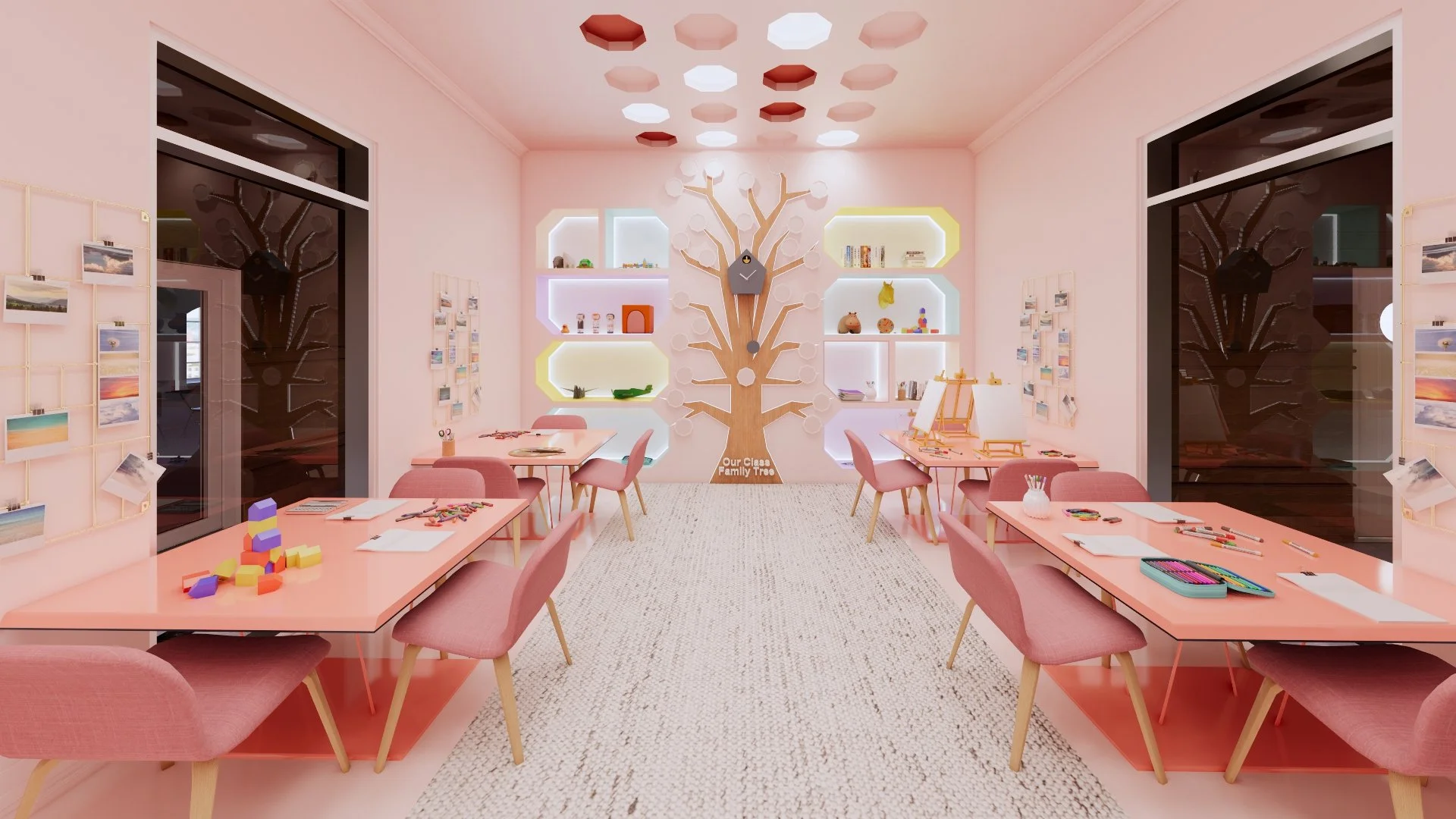
Children and teens in foster care often experience trauma, emotional stress, and instability due to disrupted family relationships and repeated transitions between living environments. These experiences can affect emotional development, behavior, learning, and their sense of safety and belonging. While educational and community day centers provide important support services, many are not intentionally designed to address the psychological and sensory effects of trauma. This thesis explores how trauma-informed interior design can create calming, supportive, and emotionally responsive environments for children and teens in foster care. With a focus on color psychology and sensory design, the research examines how interior environments can help reduce stress, support emotional regulation, and promote comfort, stability, and well-being. Through literature review, precedent analysis, and evidence-based design research, this study proposes interior design strategies for trauma-informed day centers that enhance well-being through carefully considered color palettes, sensory balance, and supportive spatial experiences.