
Future proofing communities: enhancing community connectivity to promote elderly well-being
My primary objective of the thesis is to tackle the escalating issue of loneliness and isolation prevalent among the elderly post-retirement. This research endeavors to delineate a comprehensive framework centered around pivotal concepts such as 'Inhibiting Loneliness ,' 'Active Aging,' and 'Aging in Place.' The overarching aim is to establish a systematic approach for efficacious interventions. The paradigm shift from a reactive 'cure' model to a proactive 'prevention' model in addressing loneliness necessitates a concerted effort in promoting social engagement among the elderly, with a robust emphasis on community-centric strategies. The central focus is on cultivating a supportive environment within communities to foster meaningful connections, thereby contributing to the overall well-being of the elderly.
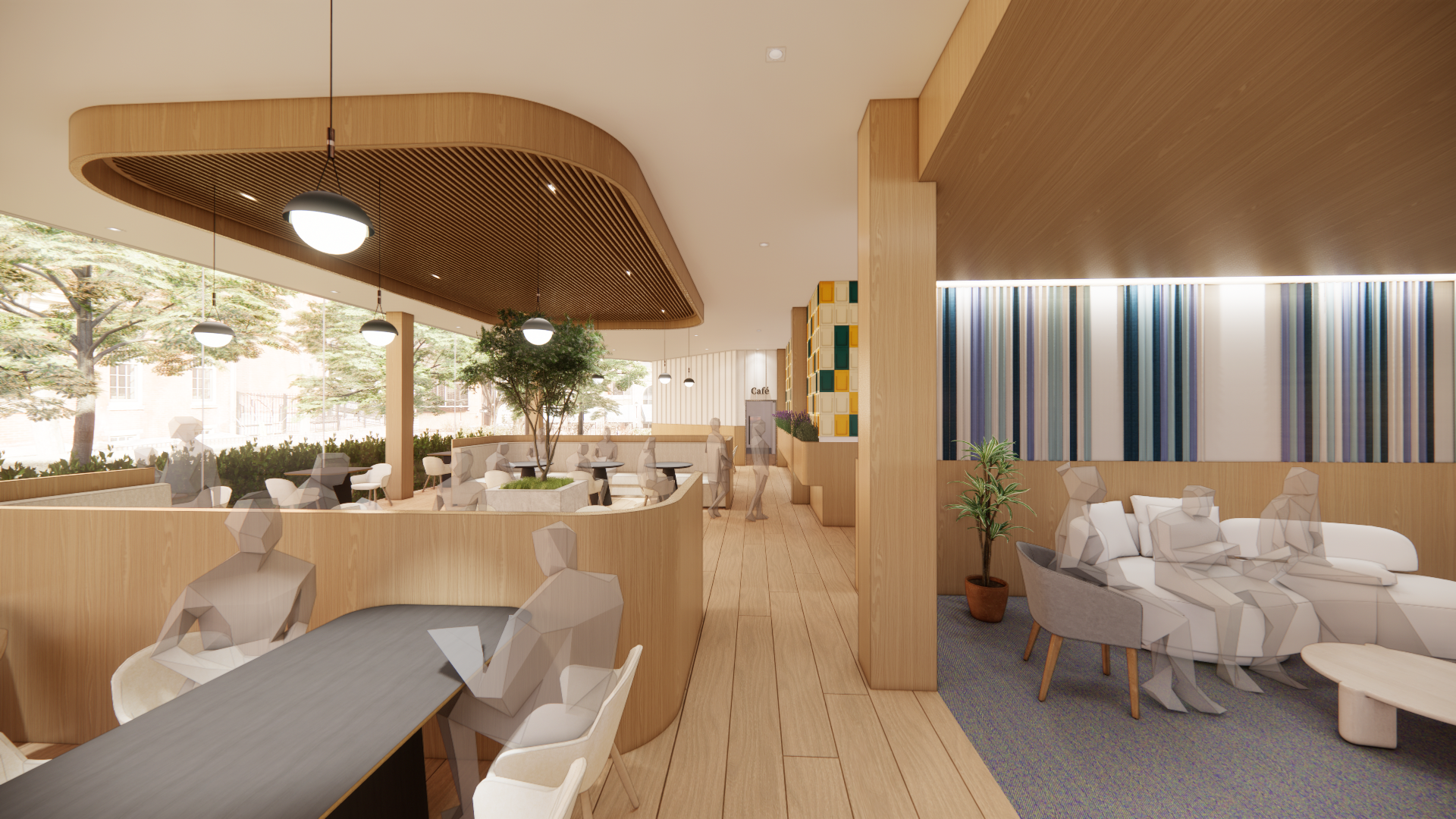
Creating Quiet Third Spaces using Introverted Design
Interior spaces foster community and create comfort for different types of people. The design of the spaces themselves can affect these experiences through function, aesthetic, materiality, and layout. This project investigates these experiences through the lens of introverts. As a self-identified introvert, many of life’s institutions are made by and for extroverts: schools, workplaces, and public spaces. This thesis delves into the reasons behind how these spaces are designed, and how integrating introverted spaces and communities in a more meaningful way is possible. Emphasizing the importance of quiet, reflective, and recharging spaces in urban environments for all types of people.

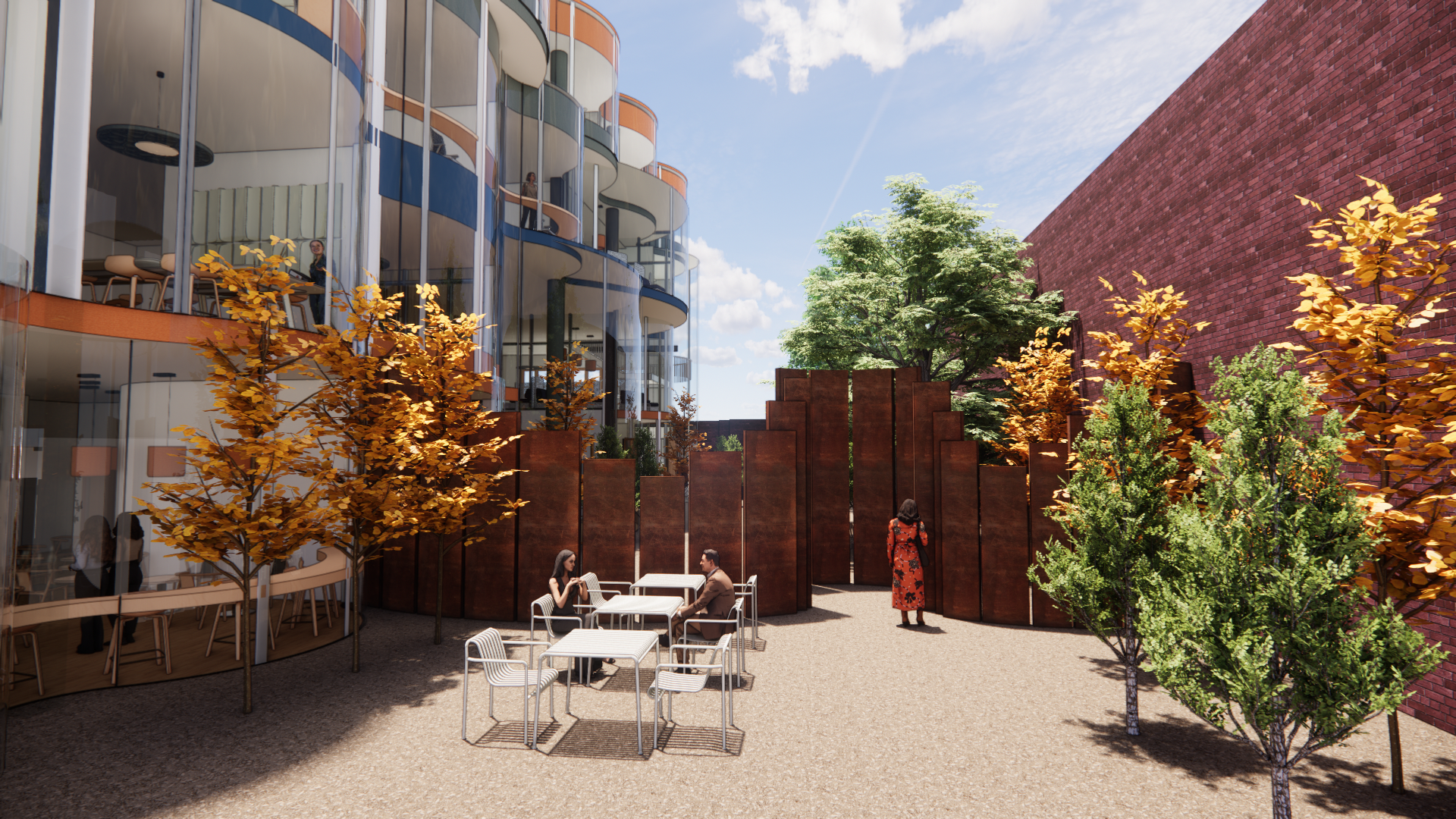
The Mix: Adapting to Gentrification Through Community Place-Making
This thesis project focuses on addressing socio-economic disparities in the Chelsea neighborhood of New York City through strategic design interventions. Unlike typical gentrification that causes physical displacement, Chelsea is experiencing "emotional displacement," where long-term residents feel out of place amid rapid development. The project creates "third spaces"—community-oriented areas separate from home and work that facilitate social interaction. Key components include learning spaces like communal bookstores and tech labs, nourishment spaces such as an international food hall and community kitchen, and a laundromat café. These shared spaces are designed to foster interaction between different socio-economic groups, aiding in place-making to embrace the new neighborhood. This project aims to build community, address income inequality, and provide a sense of belonging for all residents, thereby turning the challenges of gentrification into opportunities for social cohesion.