
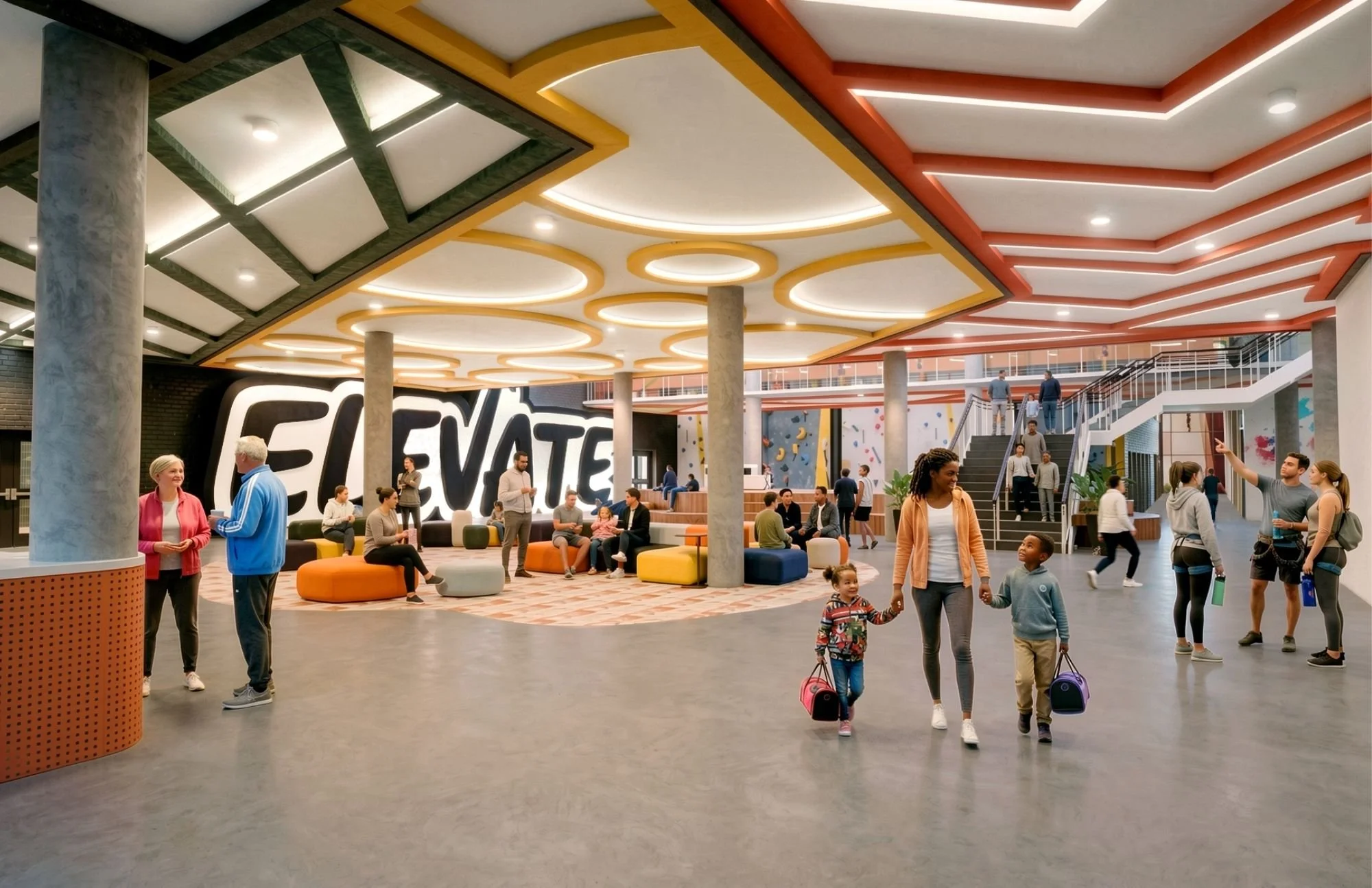
Elevating Youth: A Facility that Integrates Mental and Physical Activity for Holistic Youth Development
Engagement in physical activity is essential for youth development. Physical activity can help foster overall well-being, social connection, academic success, and healthy lifestyle habits. Yet, the growing prevalence of technology use and the lack of readily available and accessible sports facilities limit active participation. Many traditional sports facilities prioritize physical performance alone, often overlooking the mental, emotional, and developmental needs of youth. This thesis proposes a new type of activity facility that intentionally integrates both physical and mental training to support holistic youth development. The facility is designed as a balanced, youth-centered environment that encourages movement, focus, confidence, and social connection.
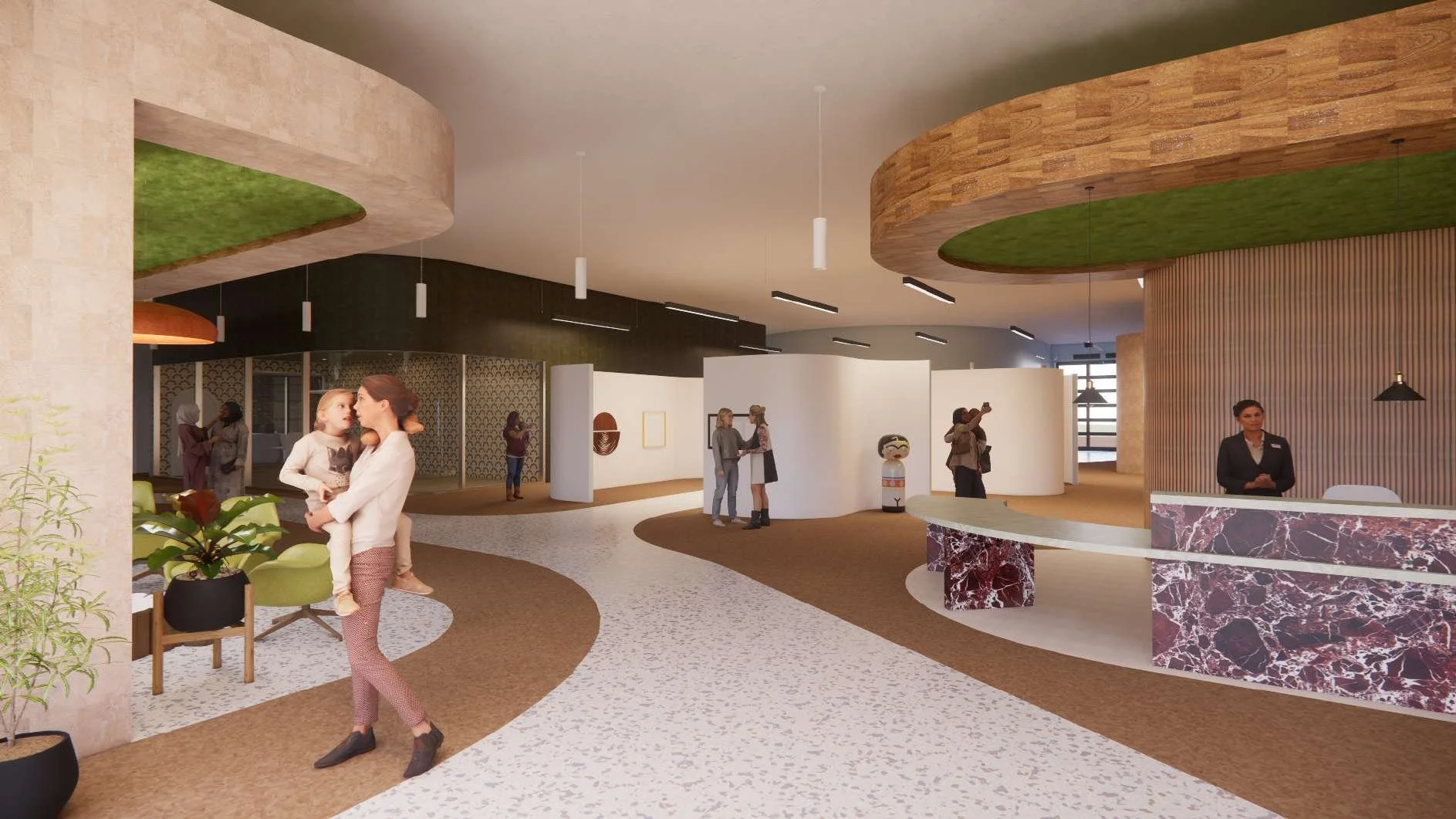
Grandmothers, Mothers, Daughters: Creating a third place that addresses gender inequality through intergenerational relationships and mutual empowerment
The intergenerational divide in the United States extends far beyond mere ideological differences, exposing deeper cultural and social fractures that significantly hinder mutual understanding and support, particularly in today’s rapidly changing society. This divide is especially pronounced in the experiences of women, whose historical and ongoing marginalization has often limited opportunities for genuine solidarity and cross-generational collaboration. By closely examining how different cultures perceive women, exploring the concept of third-place culture for social gatherings, and recognizing the critical importance of fostering strong intergenerational relationships, the United States can begin to envision and create spaces that encourage meaningful connections. Research reveals that such environments with craft, food, and celebration would not only enable women of all ages to engage with one another but also help bridge generational gaps, promoting a more inclusive and supportive society overall.
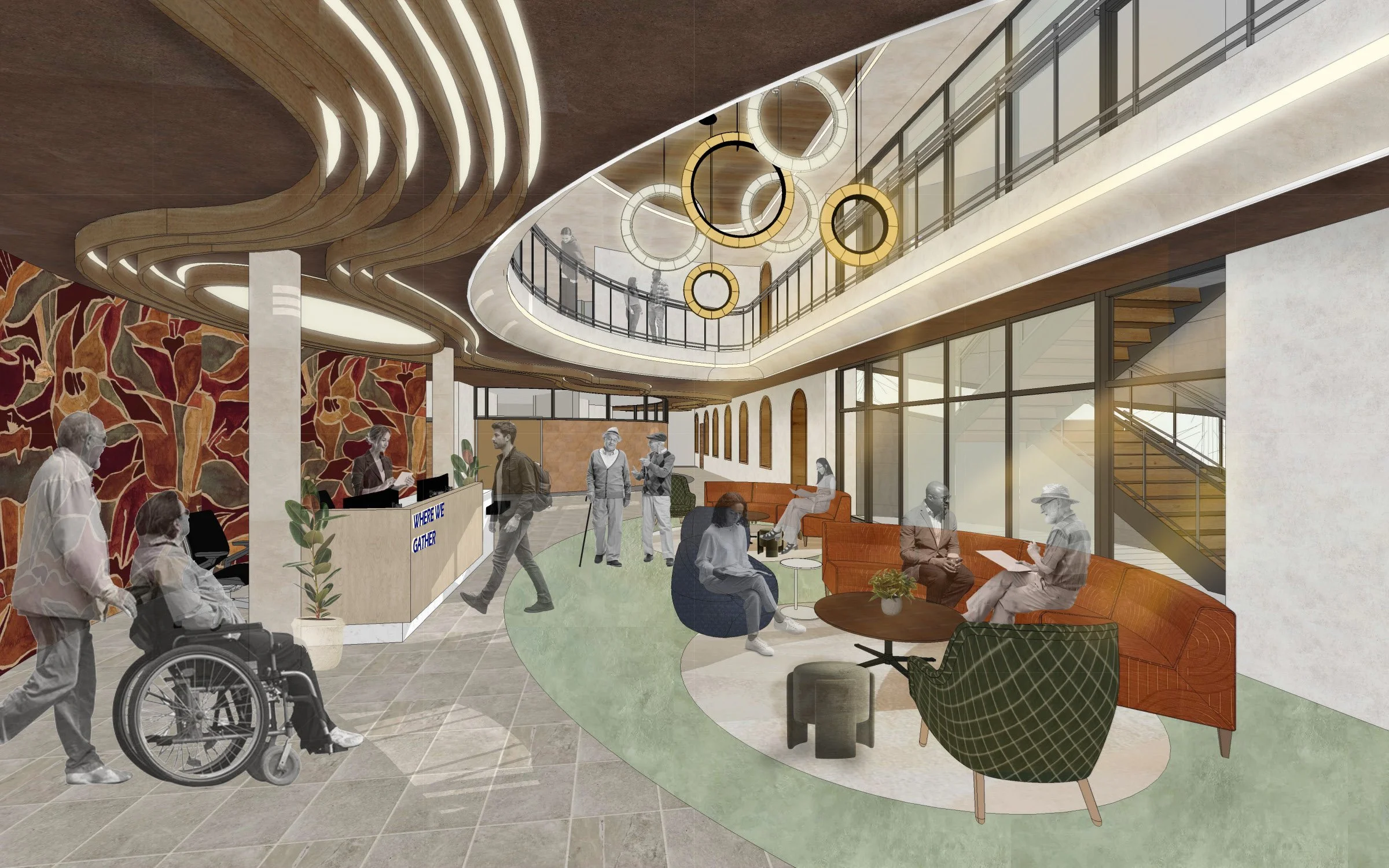
Where We Gather: Designing shared spaces that nurture empathy, interactions, and joy
Community has always been at the heart of human life, yet today’s urban lifestyles and digital interactions have left many feeling isolated. Community has always been fundamental to human life. We’re not solitary creatures — from early civilizations, people have thrived in groups, surrounded by those they share a sense of connection and belonging with. But in today’s fast-paced world shaped by urbanization, gentrification, and the rise of virtual interaction, people have slowly drifted away from engaging with their communities in everyday life. As cities grow denser and multigenerational needs evolve, it’s become crucial to rethink how we design spaces that foster real human connection. People long for moments of warmth, belonging, and shared experience. Thoughtful design has the power to bridge this gap—to create spaces that invite conversation, togetherness, and simple joy. My thesis explores how thoughtful design can bridge generational gaps and combat loneliness—creating community spaces that spark conversation, togetherness, and a renewed sense of belonging in an increasingly disconnected world.

Navigating the Mental Landscape: Phenomenological Design for Community Spaces
In today’s fast-paced world, many young adults entering a new stage of independence experience heightened anxiety and isolation from their surrounding communities. My thesis explores how interior environments can support this transitional period by fostering emotional well-being and a sense of belonging. Focusing on post-college adults, my design prioritizes comfort and familiarity by drawing on residential cues that evoke the feeling of home. This approach creates a gentle, welcoming atmosphere that reduces the psychological barriers often associated with social spaces. Rooted in the principles of slow architecture, the design encourages users to move at their own pace, absorb their surroundings, and engage mindfully. Flexible zones accommodate varying comfort levels, offering options for solitude, casual interaction, or deeper connection. By creating spaces that feel safe, nurturing, and intuitively navigable, this project aims to bridge the gap between isolation and community and support mental health through thoughtful, human-centered design.